
Politics 5 min read By Arthur Ellington
Nigel Farage faces Count Binface as main rival in Clacton by-election farce
Reform UK leader Nigel Farage's bid for the Clacton parliamentary seat has descended into farce, with serial joke candidate Count Binface emerging as his main opponent after all major parties declined to field candidates.
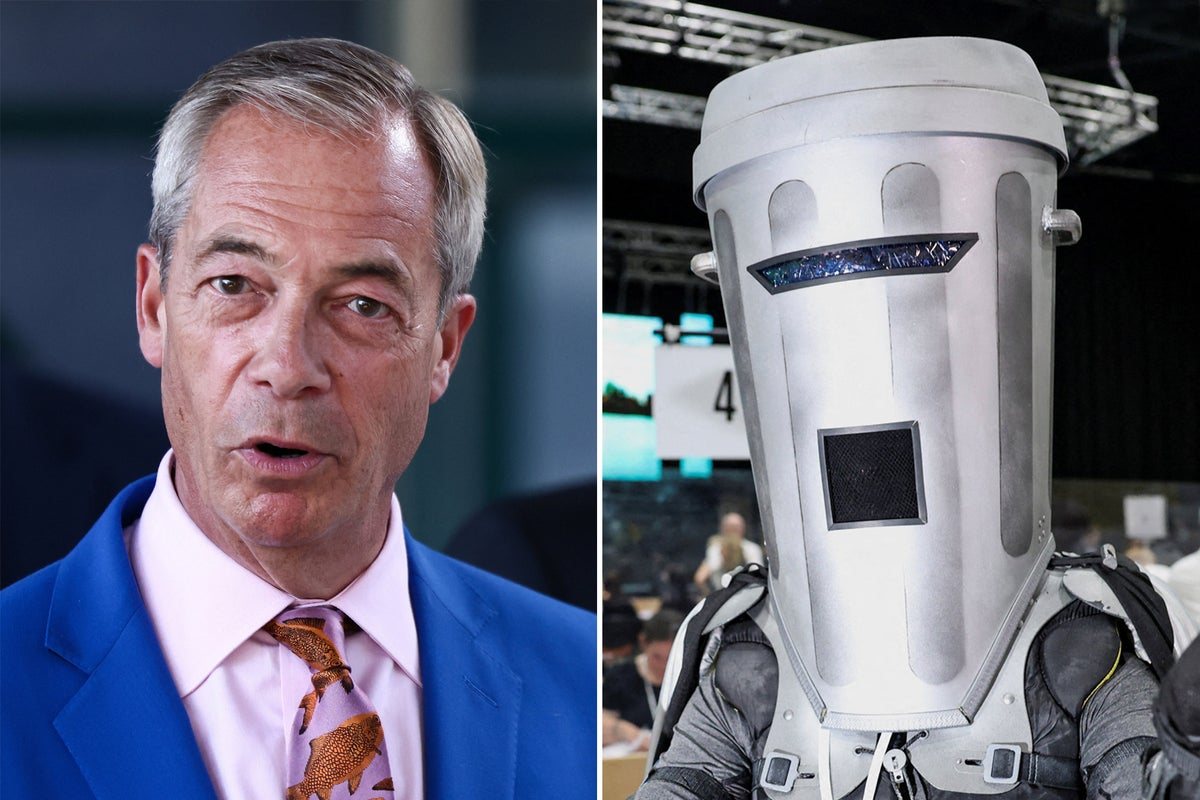
Nigel Farage's attempt to return to Parliament through a by-election in Clacton has taken an unexpected turn, with the Reform UK leader finding himself facing Count Binface as his principal rival after all mainstream political parties refused to contest the seat. The development has prompted widespread ridicule and raised questions about the seriousness of the contest, which Farage had framed as a battle between «the people versus the establishment».
The by-election was triggered last week when Farage resigned from the House of Commons, citing a series of financial allegations that he has denied. His decision to force a fresh vote in the Essex constituency, which he won at the last general election, was widely seen as a strategic move to secure a fresh mandate. However, the lack of opposition from Labour, the Conservatives, the Liberal Democrats, and the Green Party has left the field open to novelty candidates.
Count Binface, a perennial fringe figure in British elections known for his bin-shaped helmet and satirical policies, confirmed his candidacy on Monday. Speaking to BBC Radio 4's Today programme, he described the situation as «a farce» and said the absence of serious opponents reflected poorly on the major parties. «The fact that you are interviewing me on the Today Programme, because all the other parties aren't standing, says more about them than it does about me,» he said.
Greater Manchester Mayor Andy Burnham was among those to mock Farage over the predicament. In a social media post, Burnham quipped that the Reform leader was «in real trouble» if Count Binface was his main challenger. The jibe underscored the broader political embarrassment for Farage, who had hoped to use the by-election to galvanise support for his anti-establishment message.
The decision by the major parties to stand aside is unusual but not unprecedented. Analysts suggest that Labour and the Conservatives calculated that fielding candidates against Farage could inadvertently boost his profile or split the vote in unpredictable ways. By refusing to engage, they have effectively ceded the contest to Farage, but at the cost of making the election appear trivial.
Farage himself has dismissed the criticism, insisting that the by-election is a serious exercise in democracy. «I don't believe that single-handedly will tackle homophobia, racism or indeed any hate crime,» he said in response to questions about his campaign. «But I do strongly believe that returning power back to people's hands is a huge part of the role we should all be playing as elected public servants – and it's how we build trust again.»
The Clacton contest has drawn comparisons to previous by-elections where joke candidates became the de facto opposition. In 2019, Count Binface stood against then-Prime Minister Boris Johnson in Uxbridge and South Ruislip, attracting a small but vocal following. His platform includes pledges such as renaming the London Eye after the late comedian Spike Milligan and requiring all politicians to wear name tags.
Political commentators have noted that the farcical nature of the by-election risks undermining Farage's credibility as a serious parliamentary figure. Having led the campaign for Brexit and later founded Reform UK, Farage has positioned himself as a disruptor of the political status quo. However, the absence of credible opponents in Clacton may reinforce perceptions that his movement lacks mainstream traction.
The by-election is expected to take place within the next few weeks, with Farage widely predicted to retain the seat. Yet the episode has already generated significant media attention, much of it unflattering to the Reform leader. The sight of a veteran politician being challenged by a man in a bin costume has provided ample material for satirists and political opponents alike.
For now, the people of Clacton face a choice between a seasoned campaigner with a national profile and a novelty candidate whose policies are deliberately absurd. Whether voters will treat the contest as a serious democratic exercise or a moment of comic relief remains to be seen. Either way, the by-election has already secured its place in the annals of British political eccentricity.
86