Politics 3 min read By Alice Ashford
Lula and Flavio Bolsonaro close campaigns ahead of Brazil's first-round vote
Brazil's president and his main challenger make their final pitches before Sunday's first-round election, with both backing continued oil exploration despite environmental pledges.
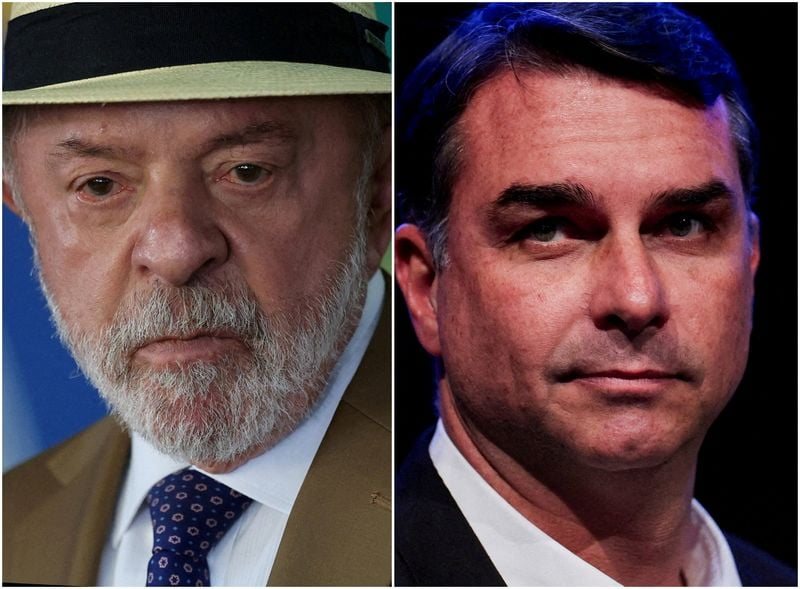
Brazil's President Luiz Inacio Lula da Silva and his main challenger, Flavio Bolsonaro, have wrapped up their campaigns ahead of Sunday's first-round presidential vote, with both candidates making their final appeals to voters in a contest that will shape the country's direction on the economy and the environment.
The election has exposed a paradox at the heart of Brazilian politics. Under Lula's government, deforestation in the Amazon has fallen, yet oil extraction has continued to rise. Both Lula and Flavio Bolsonaro have signalled support for further exploitation of the country's oil reserves, meaning that whichever candidate prevails, Brazil is likely to keep expanding its fossil fuel output even as it presents itself as a steward of the world's largest rainforest.
Flavio Bolsonaro, a senator and the son of former president Jair Bolsonaro, is seeking to inherit his father's political base while presenting himself as the candidate of continuity for voters who backed the previous administration. Lula, who returned to office promising to restore Brazil's international standing and strengthen environmental enforcement, now finds himself defending an energy policy that sits uneasily with his green credentials.
The first-round vote will determine whether the contest goes to a runoff later this month. Campaigning has focused heavily on the economy, public services and the management of Brazil's natural resources, with the Amazon and offshore oil fields emerging as central and conflicting symbols of the country's development model.
For British and international investors, the outcome matters well beyond Brazil's borders. The country is a major exporter of oil, agricultural commodities and minerals, and its fiscal and environmental policies influence global energy markets and climate negotiations. A government committed to expanding oil production could complicate Brazil's relationships with European trading partners that are tightening rules on carbon-intensive imports.
Both campaigns have sought to frame their energy stance as a matter of national sovereignty and economic necessity, arguing that revenue from oil is needed to fund social programmes and the transition to cleaner sources of power. Critics counter that locking in new exploration undermines the very climate goals that Brazil has championed in international forums.
The final days of campaigning have been dominated by efforts to mobilise undecided voters and ensure turnout in key states. With the race tightening, the first-round result will set the terms for what is expected to be a fiercely contested second round, and will determine how one of the world's largest democracies balances its economic ambitions against its environmental responsibilities.
3