Business 5 min read By Bethany Hadley
Sergey Brin spends $102m fighting California billionaire tax
Google cofounder Sergey Brin has donated $102 million to oppose California's Proposition 40, a one-time 5% wealth tax on the state's 200 billionaires that could cost him about $13 billion.
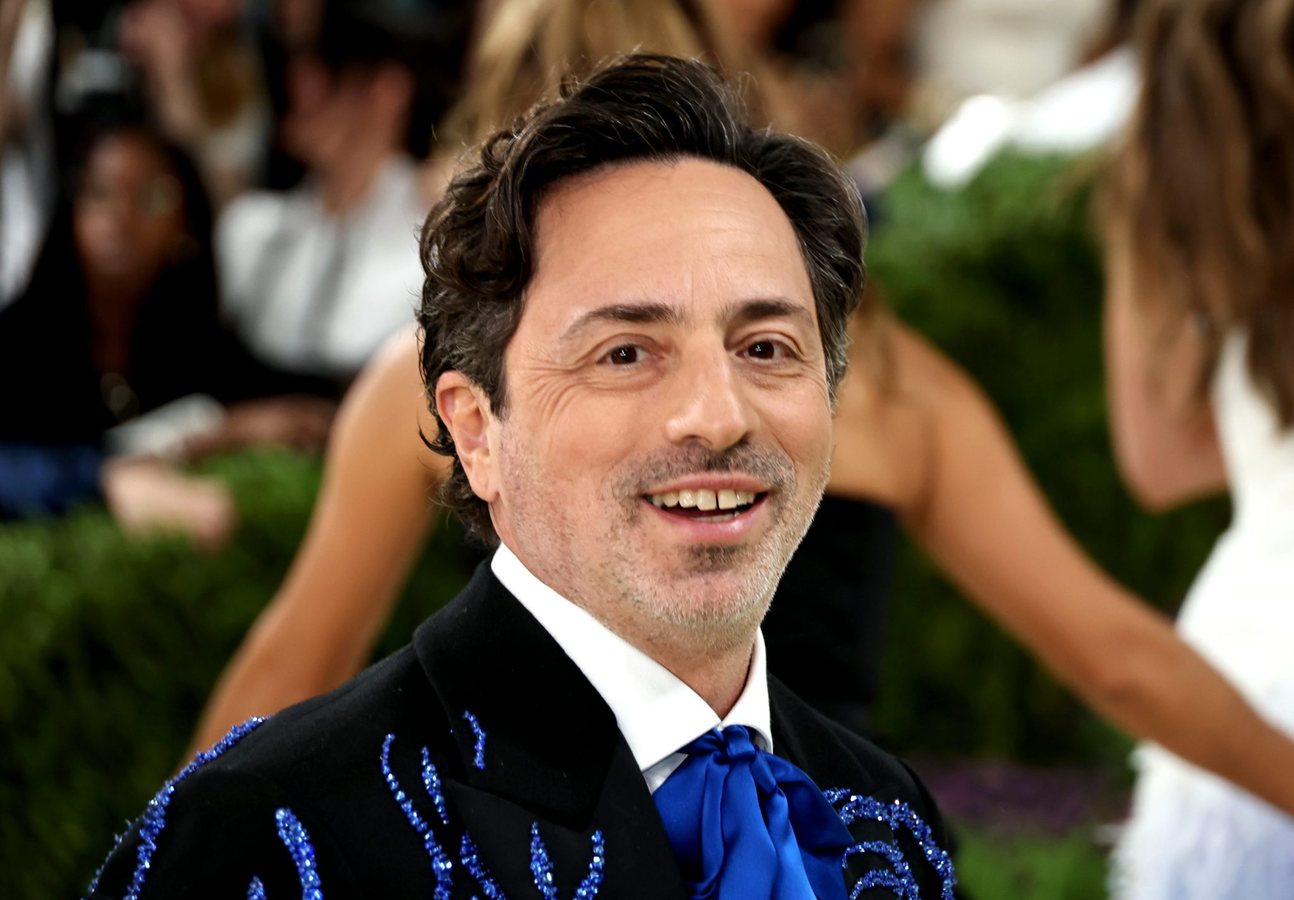
Google cofounder Sergey Brin has donated more than $102 million to a campaign opposing California's proposed billionaire tax, making him the single largest contributor to an effort that has now spent over $187 million to defeat the measure.
Campaign filings show the money went to Building a Better California, a political action committee and advocacy group that opposes Proposition 40 and supports other pro-business policies alongside housing and infrastructure affordability. Brin's personal stake in the outcome is substantial: with a net worth of nearly $260 billion, the one-time 5% levy on the state's roughly 200 billionaires could leave him owing about $13 billion.
Proposition 40 will appear on the ballot in November. It would impose a one-time 5% tax on California's billionaires, with 90% of the revenue directed to the state's health care programme and 10% split between education, food assistance and administration. Supporters of the measure have raised about $32 million, a fraction of the opposition's war chest.
Brin has framed his opposition in personal terms, comparing the proposal to the socialist system he left behind. «I fled socialism with my family in 1979 and know the devastating, oppressive society it created in the Soviet Union. I don't want California to end up in the same place,» he said in a statement in April.
He is not alone among California's tech elite. Former Google chief executive Eric Schmidt and PayPal cofounder Peter Thiel have both donated to organisations opposing the measure. Governor Gavin Newsom has also joined the campaign against it, arguing the tax would erode the state's tax base and ultimately reduce funding for public services. «The fact is it actually will reduce investments in education,» Newsom said earlier this year. «It will reduce investments in teachers and librarians, childcare. It will reduce investments in firefighting and police.»
The opposition campaign may prove partly self-fulfilling. Brin now lists Nevada as his residence, according to state records, and reportedly bought a $51 million home near Miami Beach in March. His fellow Google cofounder Larry Page has moved several assets out of California, including his family office Koop, which was incorporated in Delaware in December 2025, and the ocean science nonprofit Oceankind, founded by his wife Lucy Southworth, which was incorporated in the same state around the same time.
Six billionaires expected to leave California — Brin, Page, Thiel, car loan magnate Don Hankey, former Uber chief executive Travis Kalanick and director Steven Spielberg — would have collectively generated about $27 billion in tax revenue, roughly one-quarter of the $100 billion the proposal is projected to raise over five years.
Yet the evidence that a wealth tax would drain the state is far from clear. A working paper published by the National Bureau of Economic Research in May found that billionaires living in California paid $4.1 billion in income tax last year, about 0.2% of their collective $2 trillion net worth. Even if every billionaire left the state, it would take roughly 25 years for the lost income tax revenue to cancel out the $100 billion the measure is expected to raise. If only a quarter of the state's wealthiest residents departed, the shortfall would take a century to match the windfall.
«The proposed one-off California billionaire tax of 5%, payable over five years, is both small relative to California billionaires' wealth gains and large relative to the taxes they currently pay,» the authors wrote.
The debate has turned California into the focal point of a wider argument about the so-called K-shaped economy, in which the fortunes of the wealthy and everyone else diverge sharply. The state's $4 trillion economy is roughly the size of the United Kingdom's, yet 18% of its residents live below the poverty line, the highest rate in the country, in part because of the high cost of living.
5