Politics 6 min read By Arthur Ellington
Louise Haigh appointed First Secretary of State in Andy Burnham's cabinet
Louise Haigh has been appointed First Secretary of State, the highest-ranking cabinet post after the Prime Minister, in Andy Burnham's new government. She will head the newly created Office of the Prime Minister and Cabinet, overseeing operations in both London and Manchester.
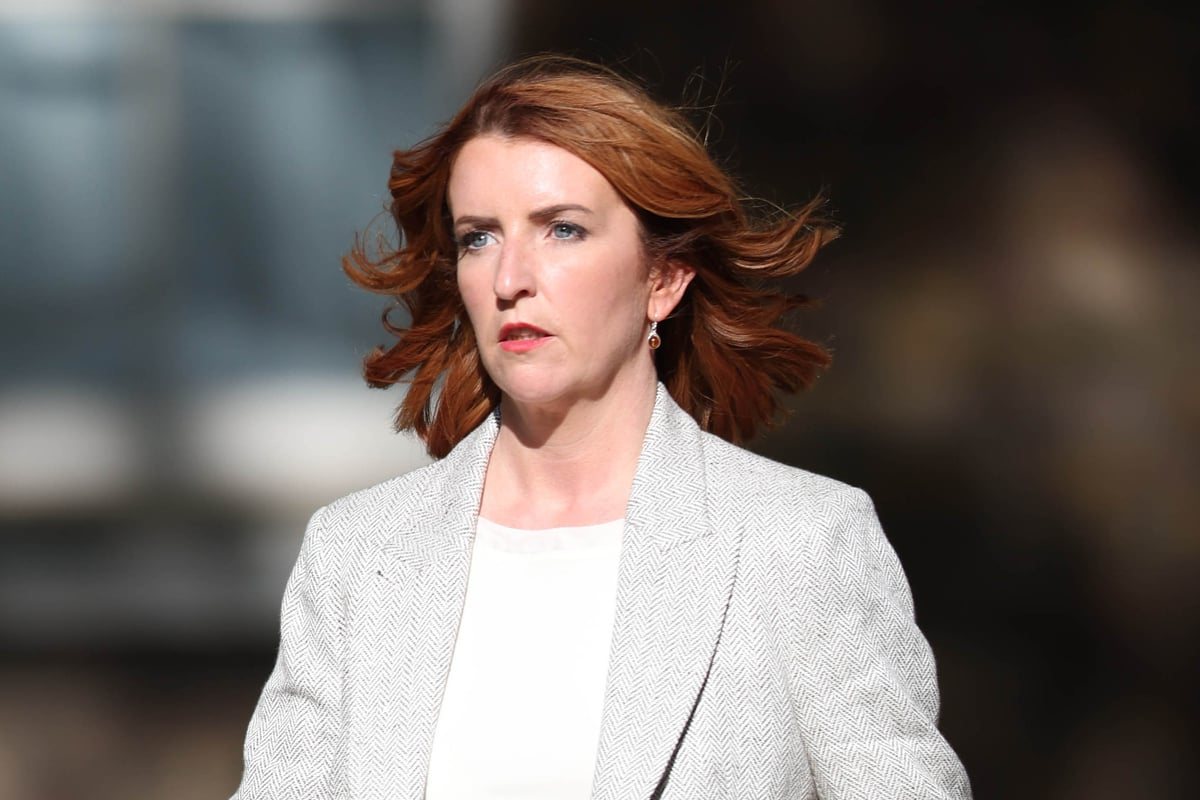
Louise Haigh has been appointed First Secretary of State, the highest-ranking cabinet position after the Prime Minister, in Andy Burnham's new government. The role, effectively making her the deputy prime minister, places her at the centre of a major Whitehall shake-up as Burnham seeks to reshape the machinery of government.
Haigh, a close ally of Burnham, will head the newly created Office of the Prime Minister and Cabinet, a powerful department that consolidates parts of the Cabinet Office, the Treasury, and the housing ministry. The new department is designed to become what officials describe as the «dominant driver of the UK's economy», overseeing both the No 10 operation in London and the forthcoming No 10 North in Manchester.
The appointment marks a remarkable political comeback for Haigh, who has been described by colleagues as a «comeback queen» after navigating a series of political challenges. She previously served as a minister in the shadow cabinet and has built a reputation as a loyal and effective enforcer for Burnham, earning her the informal title of «Burnham's cabinet enforcer».
Burnham used his first day as Prime Minister to set out a bold agenda, vowing to «bring back hope» to Scotland and the UK and to bury what he called the «toxic legacy of Thatcherism». The creation of the Office of the Prime Minister and Cabinet is seen as a central pillar of his plan to centralise economic decision-making and drive regional rebalancing from both London and Manchester.
The new department will absorb functions from across Whitehall, including elements of the Cabinet Office's policy and coordination units, the Treasury's economic strategy teams, and the housing ministry's planning and infrastructure directorates. This consolidation is intended to streamline decision-making and give the Prime Minister greater control over the government's economic agenda.
Haigh's appointment has been welcomed by Labour MPs, who see her as a safe pair of hands capable of managing the complex transition to a new way of governing. Her role will involve coordinating policy across departments, managing the Prime Minister's schedule and priorities, and ensuring that the government's agenda is delivered effectively from both capitals.
The decision to base part of the Prime Minister's operation in Manchester is a key symbol of Burnham's commitment to devolution and regional empowerment. Haigh will be responsible for ensuring that the Manchester operation is fully integrated with the London-based No 10 team, avoiding the duplication and confusion that can arise from split-site working.
Critics have questioned the cost and complexity of maintaining two prime ministerial offices, but supporters argue that the move is essential to demonstrate that the government is serious about spreading power and opportunity beyond the southeast. Haigh's role as First Secretary of State will be crucial in making the dual-site model work effectively.
The creation of the Office of the Prime Minister and Cabinet also represents a significant shift in the balance of power within Whitehall. By bringing together policy coordination, economic strategy, and housing delivery under one roof, Burnham has signalled his intention to take a more hands-on approach to governing than his predecessors.
Haigh's political journey has been notable for its resilience. She entered Parliament in 2015 and quickly rose through the ranks, serving as shadow policing minister and later as shadow transport secretary. Her reputation as a tough and effective operator was forged during her time on the frontbench, where she frequently clashed with Conservative ministers over issues ranging from rail franchising to police funding.
Her appointment as First Secretary of State is widely seen as a reward for loyalty and a recognition of her ability to manage complex portfolios. Colleagues describe her as «formidable» and «unflappable», qualities that will be tested as she takes on one of the most demanding roles in government.
The new government has moved quickly to establish its priorities, with Burnham setting out a programme focused on economic growth, regional rebalancing, and public service reform. Haigh's department will be at the heart of delivering these ambitions, coordinating the work of ministers and officials across Whitehall and ensuring that the Prime Minister's vision is translated into concrete action.
As First Secretary of State, Haigh will also deputise for the Prime Minister at Cabinet and in other key meetings, making her one of the most powerful figures in the government. Her close working relationship with Burnham, built over years of collaboration in opposition, is expected to ensure a high degree of coordination between No 10 and the rest of the cabinet.
The coming months will test whether the new structure delivers the efficiency and focus that Burnham has promised. Haigh's ability to manage the competing demands of London and Manchester, while maintaining the confidence of cabinet colleagues and the civil service, will be critical to the success of the new government's agenda.
130