Politics 4 min read By Arthur Ellington
Hungary’s expulsion of 10 Russian diplomats puts its new alignment to the test
The Magyar government is keeping diplomatic channels with Moscow open while drawing a much harder security line. Russia has promised retaliation, making the dispute an early test of Budapest’s post-election foreign policy.
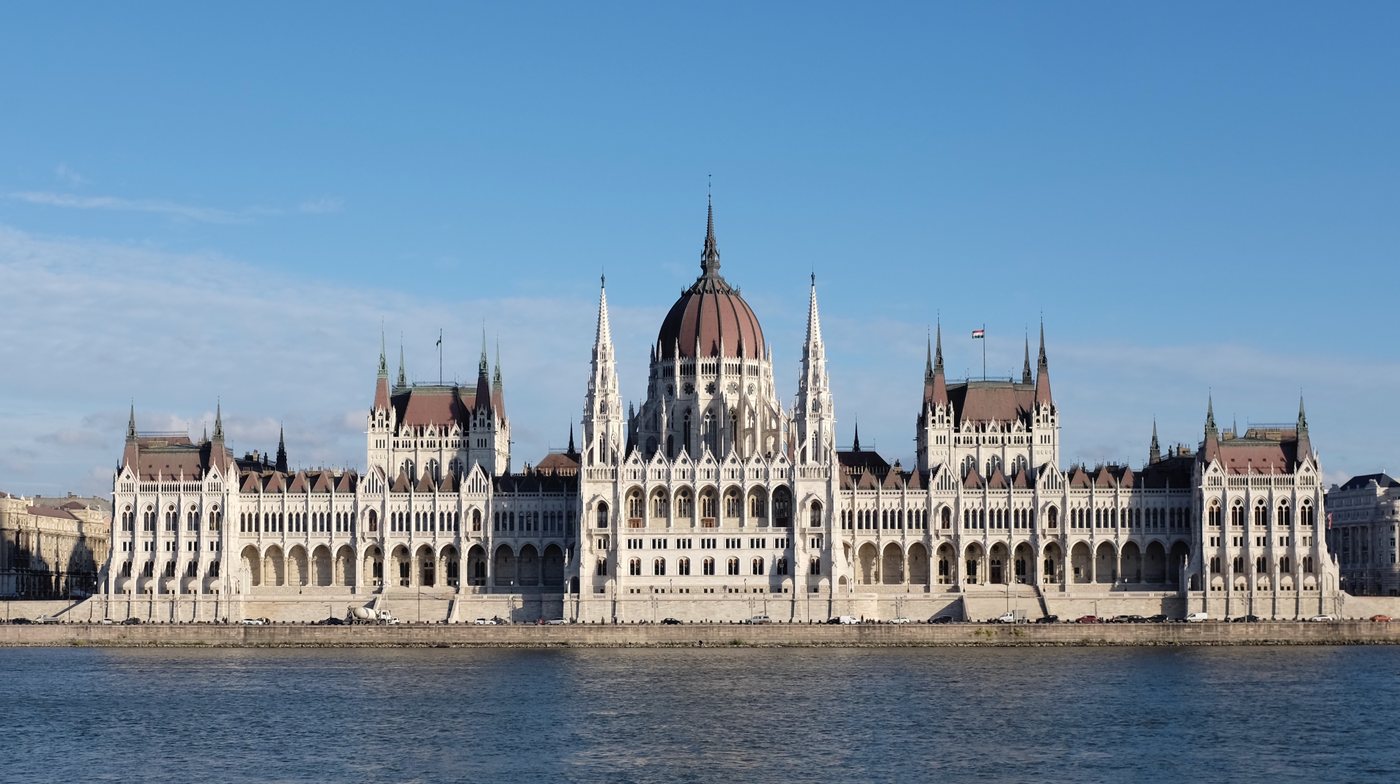
Hungary’s new government has moved from rhetorical realignment to a tangible reduction in Russia’s diplomatic footprint. Budapest has ordered 10 members of the Russian mission to leave, saying their activities were unacceptable and incompatible with diplomatic status. Foreign Minister Anita Orbán announced the decision on 8 September.
The government has not released the officials’ names, positions or the specific conduct that triggered the expulsions. Nor has it stated the exact departure deadline. The absence of public detail does not invalidate the measure, but it does mean the case should not be presented as a proven espionage prosecution against each of the 10 individuals.
Under Article 9 of the Vienna Convention on Diplomatic Relations, a host government can declare a member of a diplomatic mission persona non grata at any time without having to explain why. The sending state is then expected to recall the person or terminate their functions. It is a political and diplomatic mechanism, not a criminal conviction.
Russia has said it will respond. Its Foreign Ministry announced retaliatory measures, while Reuters, citing Interfax, reported that Moscow described its future response as painful for Hungary. The form of that retaliation remains unknown. A reciprocal expulsion would be the most conventional option, but no specific Russian action has yet been declared.
The episode matters because it comes only months after a change of government. Péter Magyar took office as prime minister on 9 May following the 12 April election. Anita Orbán became foreign minister on 12 May. Their administration has explicitly argued that Hungary should be more firmly anchored in the EU and NATO and should reduce one-sided dependence on Russia.
Before entering office, Anita Orbán called for a more transparent relationship with Moscow, described Russia as the aggressor and Ukraine as the victim of aggression, and set out a foreign-policy framework markedly different from that of former prime minister Viktor Orbán. The previous government had cultivated pragmatic ties with Russia and often occupied a distinctive position inside European debates over Moscow and Ukraine.
Reuters reports that after Russia’s full-scale invasion of Ukraine in 2022, Viktor Orbán’s government did not publicly announce any expulsions of Russian diplomats. The last public case before the change of power dated to 2018. In May 2026, the new government expelled one Russian diplomat over suspected intelligence activity, suggesting that the institutional threshold for action had already shifted.
Expelling 10 officials is a far larger intervention. It reduces the operating capacity of the Russian mission and signals that Budapest is willing to absorb the predictable cost of retaliation. At the same time, the government is deliberately avoiding a total break: Anita Orbán said necessary dialogue with Russia will continue and framed the move as a defence of Hungarian security and sovereignty rather than the end of bilateral diplomacy.
For Britain and other NATO allies, the institutional implication is more significant than the immediate personnel count. Hungary’s previous stance could complicate common approaches to Russia. A government that is closer to allied security assessments may make coordination easier, even where national interests and disagreements remain.
The Russian response will reveal how costly that new position becomes. If Moscow simply expels Hungarian diplomats, the dispute will stay within a well-understood system of reciprocity. If it applies wider political or administrative pressure, the Magyar government will face an early test of whether its stated western alignment is a durable policy choice rather than a post-election signal.
59