Politics 5 min read By Arthur Ellington
Green Party's Zack Polanski calls climate crisis biggest threat to Britain since Second World War
Green Party politician Zack Polanski has warned that the climate crisis is the most serious threat to Britain since the Second World War, and said fossil fuel producers should pay for firefighting helicopters.
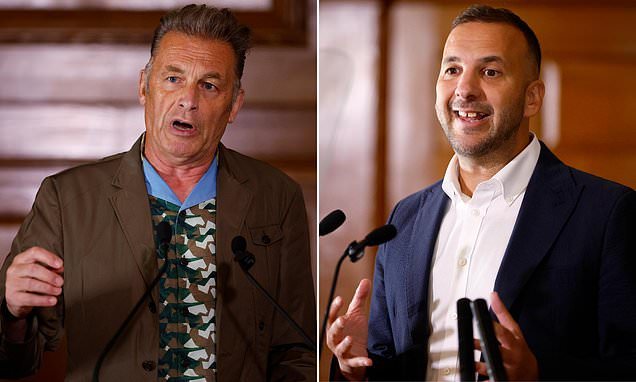
Green Party politician Zack Polanski has described the climate crisis as the biggest threat to Britain since the Second World War, and called on fossil fuel producers to pay for firefighting helicopters.
Speaking during an appearance with the BBC naturalist and campaigner Chris Packham, Polanski said: «We are facing the biggest threat to this country since the Second World War.» The remarks were reported as part of a discussion about the scale of the climate emergency and the responsibility of the fossil fuel industry.
Packham, who joined Polanski for the event, has previously spoken of fantasising about climate denial being made a crime. His comments reflect a growing impatience among parts of the environmental movement with what they describe as the slow pace of action on global heating.
Polanski’s call for fossil fuel companies to fund firefighting helicopters links the immediate cost of tackling wildfires to the industries whose emissions have driven global temperature rises. It is a demand that fits into a broader argument known as the «polluter pays» principle, under which companies responsible for environmental damage should bear the costs of repairing it.
The comparison between the climate crisis and the Second World War is among the strongest used by a British political figure in recent years. It places the environment on par with the country’s most serious military and national security challenges and is likely to reignite debate about how urgently governments should act.
The Green Party has made climate action the central pillar of its platform, arguing that successive governments have been too slow to end reliance on oil and gas. Polanski’s comments suggest the party intends to sharpen its message as the political debate over energy, heating and transport continues.
Packham is one of the best-known faces of British nature broadcasting and has become increasingly vocal on environmental issues. His willingness to appear alongside a Green Party politician is seen as a sign that the scientific and cultural case for climate action is being pushed more forcefully in public debate.
The demand for firefighting helicopters is likely to attract particular attention because it raises the question of who should pay for the growing costs of extreme weather. With wildfires affecting parts of Europe and, increasingly, Britain in recent years, the availability of aerial firefighting resources has become a practical concern for emergency planners and local authorities.
No specific figures were given for the cost of the helicopters or for the size of the contribution Polanski wants from fossil fuel producers. The proposal is nonetheless a clear attempt to link the profits of the oil and gas sector to the expenses generated by climate change.
The appearance and the remarks come as the UK government continues to face pressure from environmental campaigners over its climate policies. Critics of current policy argue that measures taken so far are not enough to meet the country’s legally binding emissions targets, while supporters counter that the transition away from fossil fuels must be managed carefully to protect jobs and energy supplies.
The debate over climate denial also shows no sign of fading. Packham’s reported comments on criminalisation are almost certain to divide opinion, with some campaigners welcoming the frustration behind them and others arguing that free speech should protect the right to question climate science.
For now, the attention is on the strength of the language used by Polanski and Packham. By comparing the threat to the Second World War, they have set a high bar for the level of urgency they believe is required, and they have made clear that they expect the fossil fuel industry to be held financially accountable for the consequences of its products.