
Economy 4 min read By Alice Ashford
Fed Chair Warsh and FOMC Hike Interest Rates as History Points to Stock Market Reaction
The Federal Reserve under new Chair Kevin Warsh has raised interest rates, a move that historical patterns suggest will shape equity markets in the months ahead.
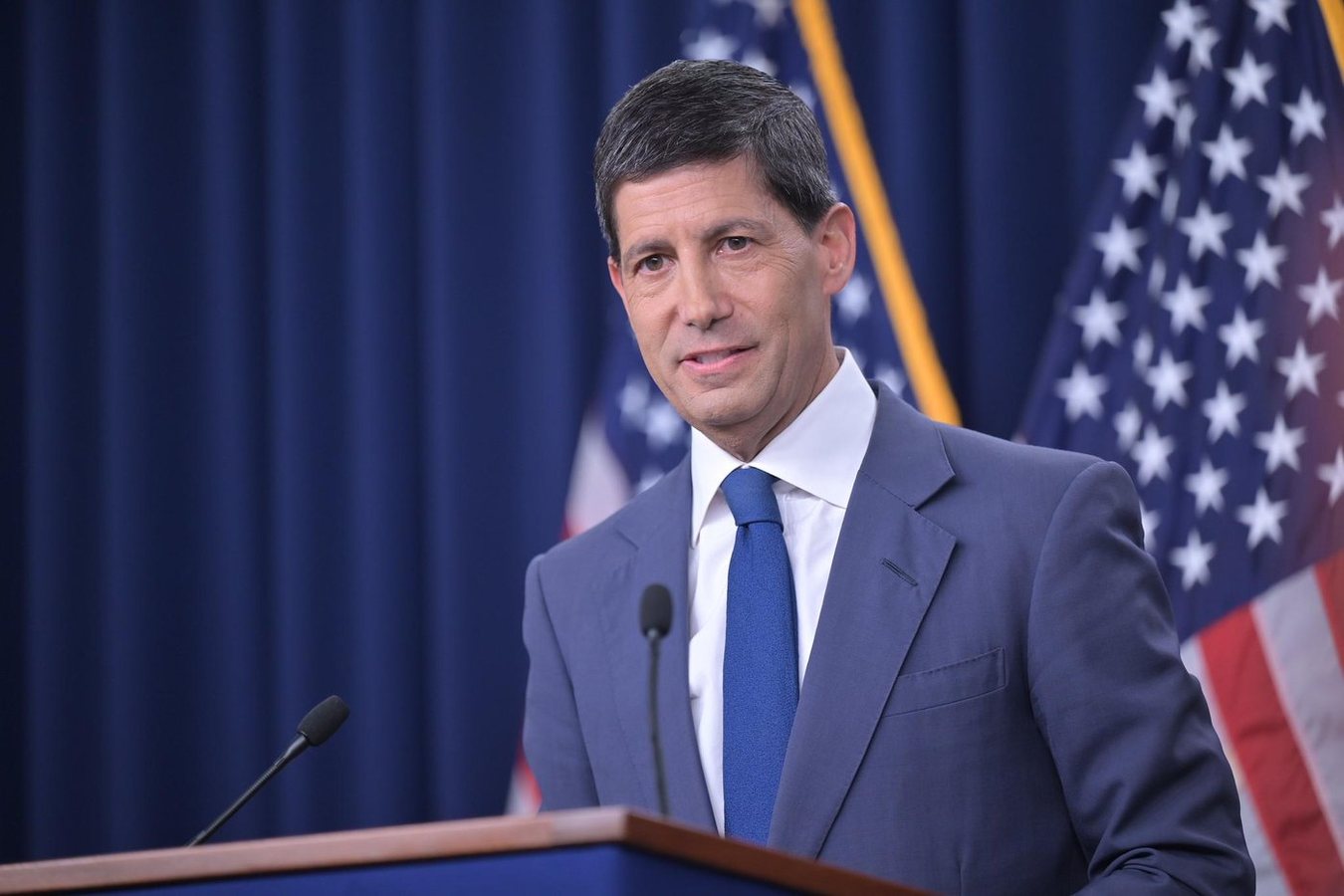
The Federal Reserve has raised interest rates under the leadership of its new chair, Kevin Warsh, marking a significant shift in monetary policy that is expected to ripple through financial markets and the broader economy. The decision by the Federal Open Market Committee (FOMC) to tighten policy comes as the central bank navigates persistent inflation pressures and a complex economic landscape.
Warsh, who took the helm at the Fed after a career spanning both public service and private finance, has signalled a willingness to take a firmer stance on inflation than some of his predecessors. The rate hike reflects the FOMC's judgment that borrowing costs need to rise to bring price growth under control, even as the economy shows mixed signals on growth and employment.
For investors, the immediate question is what history says about how stocks perform after the Fed begins or continues a rate-hiking cycle. Thirty-six years of market data offer a guide. In previous tightening cycles — including those in the 1990s, 2000s and the post-2008 era — equity markets have often shown resilience in the early stages of rate increases, particularly when the hikes were seen as a response to a strengthening economy rather than an attempt to cool an overheating one. However, the longer-term picture is more nuanced, with sectors such as technology and real estate tending to come under pressure as borrowing costs rise, while financials and energy sometimes benefit.
The current environment presents its own set of variables. Inflation has proven stickier than many forecasters expected, and the labour market remains relatively tight, giving the Fed room to act. At the same time, global growth concerns and geopolitical tensions add layers of uncertainty that did not exist in some earlier cycles. Warsh's communication style and the FOMC's forward guidance will be closely watched for signals about the pace and duration of future increases.
Market participants are also weighing the implications for the dollar, bond yields and corporate earnings. A stronger dollar can hurt multinational companies' overseas profits, while higher yields on government debt can draw capital away from equities. Earnings season will provide the next test of whether companies can pass on higher costs to consumers without dampening demand.
The Fed's decision carries political as well as economic weight. Rate hikes are rarely popular in the short term, and the central bank's independence is a perennial topic of debate in Washington. Warsh's leadership will be judged on whether he can steer the economy toward a soft landing — bringing inflation down without triggering a recession — a feat that has historically proven difficult to achieve.
For now, the FOMC's action sets the tone for the months ahead. Investors would do well to study the precedents, but also to recognise that each cycle is shaped by its own unique conditions. The coming weeks will reveal whether this hike is the start of a sustained campaign or a more measured adjustment.