Politics 5 min read By Bethany Hadley
Former Labour First Minister McConnell calls for 'proper review' of Holyrood election defeat
Lord Jack McConnell, a former Labour First Minister of Scotland, has urged the party to conduct a thorough review of its performance in the Scottish Parliament elections, warning that politics is stronger when internal debate takes place.
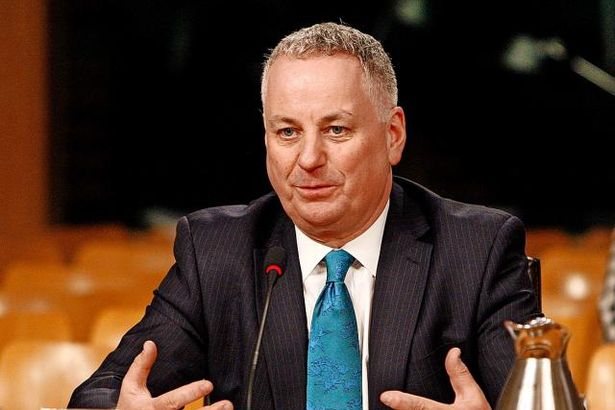
Lord Jack McConnell, a former Labour First Minister of Scotland, has called on the party to undertake a comprehensive review of its performance in the recent Holyrood elections, insisting that open debate strengthens democratic politics. The peer, who led the Scottish Executive from 2001 to 2007, made the remarks amid growing concern within Labour ranks about the party's continued inability to secure a majority in the devolved parliament.
Speaking to journalists, Lord McConnell emphasised that a proper, transparent examination of the party's strategy and messaging in Scotland was essential for future success. He argued that without such a review, Labour risked repeating the mistakes that have kept it in opposition at Holyrood for over a decade. The former first minister stressed that politics is healthier when different viewpoints are aired and debated internally, rather than suppressed.
McConnell's intervention comes as Scottish Labour faces renewed questions about its electoral appeal north of the border. The party has struggled to regain the dominance it enjoyed during the early years of devolution, when it formed the largest party in the Scottish Parliament and led the executive. In the most recent Holyrood elections, Labour again failed to make significant gains, trailing behind the Scottish National Party and the Conservatives in seat numbers.
The former first minister also urged the incoming prime minister to scrap what he described as the 'ridiculous' Scotland Office, arguing that the department had become an outdated symbol of centralised control. He suggested that abolishing the office would send a clear signal that the UK government respects the devolution settlement and is committed to a more modern, cooperative relationship between London and Edinburgh.
Lord McConnell's comments have been interpreted by some observers as a veiled criticism of the current Labour leadership under Sir Keir Starmer. While the party has made significant strides in recovering from its 2019 general election defeat in England and Wales, its performance in Scotland remains a weak spot. Internal party sources have indicated that there is frustration among some senior figures about the lack of a coherent strategy for winning back voters who have drifted to the SNP or the Scottish Greens.
The call for a review has drawn support from some Labour figures in Scotland, who argue that the party must be willing to confront uncomfortable truths about its decline. They point to factors such as the party's association with the Iraq War, its perceived closeness to Westminster, and its sometimes unclear stance on Scottish independence as issues that need to be addressed. Others, however, caution that a public airing of internal divisions could be counterproductive and play into the hands of political opponents.
Lord McConnell served as First Minister of Scotland from 2001 to 2007, a period that saw the introduction of free personal care for the elderly, the ban on smoking in public places, and the establishment of the Scottish Parliament's powers. He was created a life peer in 2010 and has remained an influential voice on Scottish and UK politics. His latest intervention is likely to fuel further debate about the direction of Scottish Labour as the party prepares for the next round of elections.
The SNP, which has dominated Holyrood since 2007, has dismissed Labour's internal discussions as irrelevant, arguing that the real choice for Scottish voters is between the SNP's vision for independence and the unionist parties' defence of the status quo. However, recent opinion polls have suggested that support for independence has softened, and that Labour may be making modest gains among voters who are disillusioned with the SNP's record in government.
Political analysts note that the outcome of any review will depend on whether the party is willing to embrace significant change, including potentially adopting a more distinctive Scottish identity and policy platform. The challenge for Labour is to differentiate itself from both the SNP and the Conservatives while appealing to a broad coalition of voters. Lord McConnell's call for a proper review is seen as a step towards that goal, but it remains to be seen whether the party leadership will heed his advice.
76