Politics 5 min read By Alice Ashford
Farage claims Burnham has ‘no mandate’ and calls for immediate general election
Reform UK leader Nigel Farage has declared that incoming Prime Minister Andy Burnham has ‘no mandate’ to govern and is demanding an immediate general election, as Burnham prepares to take office on Monday.
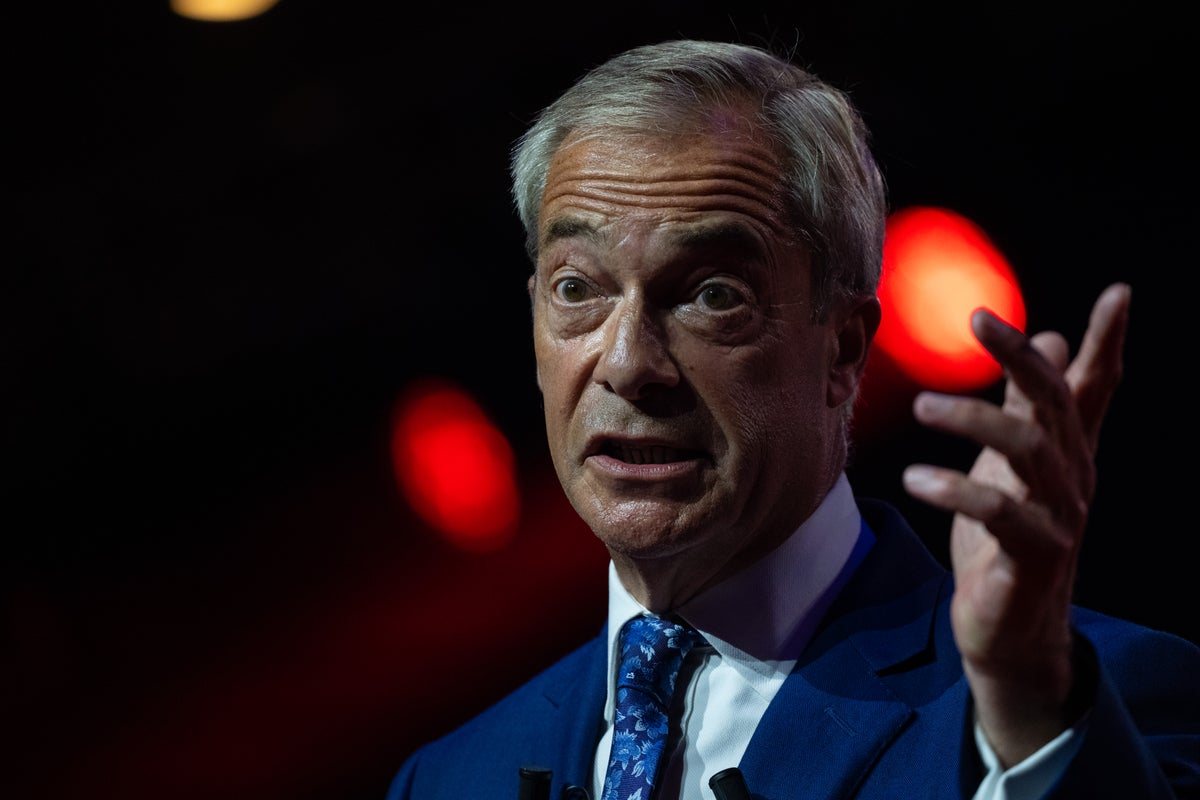
Reform UK leader Nigel Farage has launched a blistering attack on the incoming Prime Minister Andy Burnham, declaring that the Labour leader has “no mandate” to govern and demanding an immediate general election. Speaking at the Conservative Political Action Conference (CPAC) in London, Farage argued that Burnham, who is set to become prime minister on Monday, should not be allowed to take office without a fresh national vote.
Farage claimed that Burnham’s elevation to the premiership, following his victory in the Labour leadership contest, does not reflect the will of the British electorate. “Nothing will get better under Andy Burnham,” Farage told the conference. “He has no mandate from the British people. We need a general election now.” The Reform leader’s remarks come as Burnham prepares to succeed the outgoing prime minister, having secured the Labour leadership after a closely fought contest.
Burnham, the MP for Makerfield and former Mayor of Greater Manchester, has insisted he is “ready to lead” and has promised to restore hope and fix the country’s broken social care system. In his victory speech, Burnham said he would have the “courage to fix the big things that politics has neglected” and vowed to give Britain “hope back”. His path to Number 10 became clear after he won the Labour leadership, triggering the automatic transition of power under party rules.
Farage’s demand for an election, however, underscores the deep political divisions in the country. The Reform leader accused Burnham of lacking a popular mandate because he did not face a general election campaign. Under the UK’s parliamentary system, a new prime minister can take office without a general election if their party is already in government, as Labour currently is. But Farage and other critics argue that Burnham should seek a fresh mandate from voters, given that he was not the candidate who led Labour into the last election.
The CPAC speech was also notable for Farage’s broader critique of the political establishment. He used the platform to attack what he described as a “coordinated pile-on” against him, following revelations about his financial backing. The Guardian reported in April that Farage had received a £5 million gift from crypto billionaire Christopher Harborne before the last election. The disclosure has led to two parliamentary standards inquiries into Farage’s finances. Farage claimed he has been “demonised” and “dehumanised in the most extraordinary way” as part of a campaign to stop Reform UK.
Burnham’s supporters, meanwhile, have dismissed Farage’s calls as political grandstanding. They point out that the Labour leader won his party’s leadership with a clear majority and that the party remains the largest in the House of Commons. Burnham has also sought to project unity, reaching out to Labour MPs who backed his rivals and pledging to govern for the whole country. In his first speech as leader-elect, he said: “I am ready to lead. I will give everything I have to serve our country and restore faith in politics.”
The political landscape remains volatile, with Reform UK polling strongly in some constituencies and Farage positioning himself as a champion of those who feel left behind by the major parties. His call for an immediate election is unlikely to be heeded by the government, which has a working majority and is not obliged to call a vote until 2029. But the demand reflects a growing sense of political instability, as Burnham prepares to take the reins of power amid economic challenges, public service crises, and a fractured electorate.
As Burnham prepares to enter Downing Street, the debate over his mandate is likely to intensify. Farage’s intervention at CPAC, combined with the ongoing scrutiny of his own finances, ensures that the political drama will continue to dominate the headlines. For now, Burnham is focused on forming his cabinet and setting out his legislative agenda, while Farage and his allies vow to hold the new government to account at every turn.
87