Business 6 min read By Alice Ashford
Wendy's becomes takeover target for Nelson Peltz's Trian after losing ground to rivals
Trian Fund Management has offered $1.4 billion to take Wendy's private as the burger chain loses sales and market share to Burger King and McDonald's.
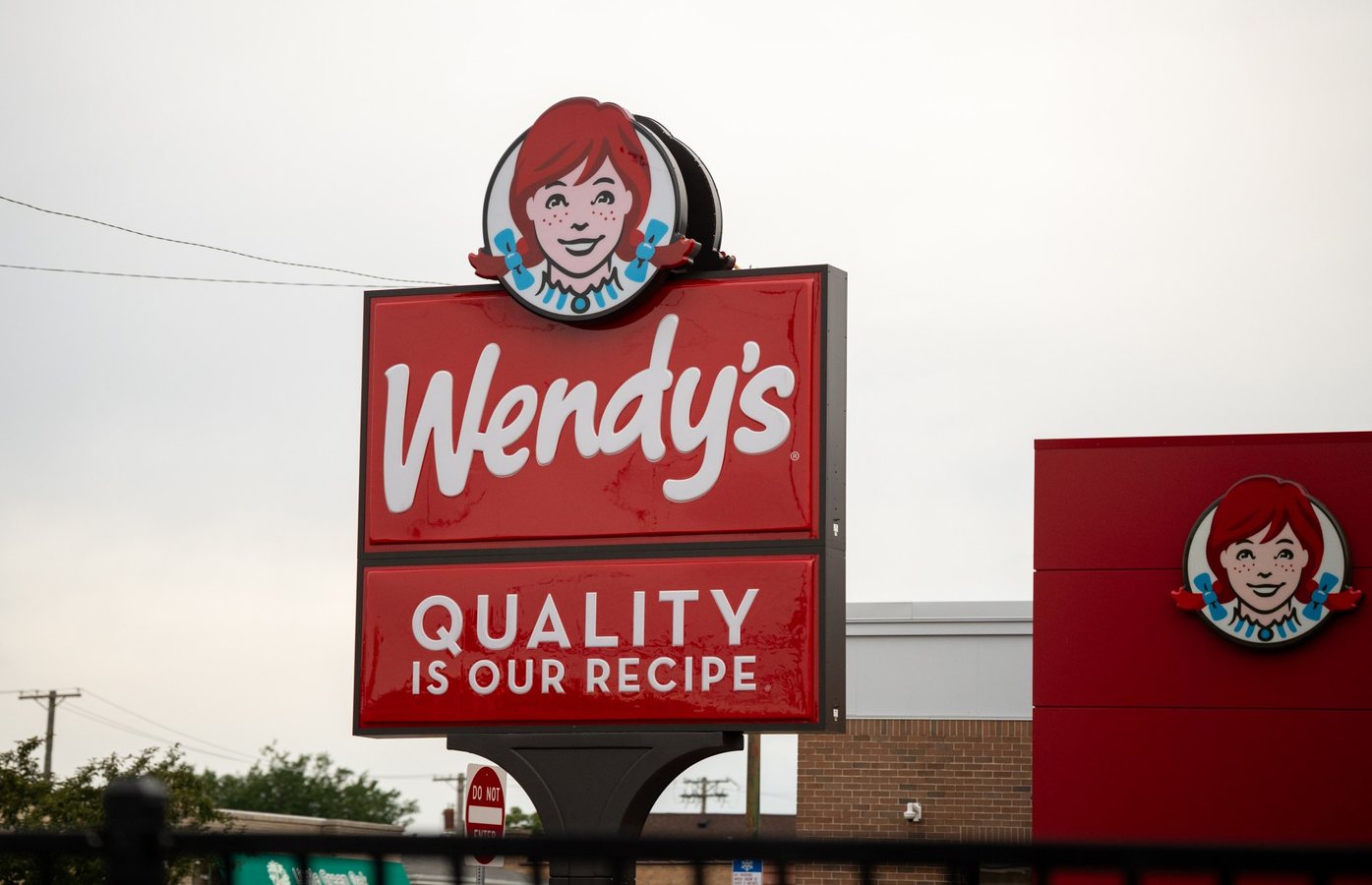
Wendy's has become the clear loser among major American burger chains, and its slide has made it the target of Nelson Peltz's Trian Fund Management, which has offered $1.4 billion to take the company private. The sum is less than 1% of McDonald's market value, a measure of how far the once-favoured chain has fallen.
Wendy's built its reputation on fresh, never-frozen beef and a higher-quality image within fast food. Over the past 18 months, however, its promotions have fallen flat, intense competition has drawn away customers, and a series of leadership changes has left it without the focus needed to recover. Long the second-largest US burger chain behind McDonald's, Wendy's has slipped to third place behind a resurgent Burger King.
In May, the company overhauled its management, hiring Bob Wright, a turnaround veteran from Potbelly, as its fourth chief executive in three years, along with Potbelly's finance chief Steve Cirulis as chief financial officer. The appointments were intended to reassure Wall Street. For a time they appeared to work, with Bloomberg Intelligence analyst Michael Halen writing in a research note that the turnaround prospects had improved under Wright and Cirulis. Shares nonetheless remain under pressure and are 65% below their level of three years ago, when sales began to stagnate. They briefly hit a 20-year low in June.
The roots of the decline stretch back further. Wendy's was founded in 1969 when Dave Thomas, a former Kentucky Fried Chicken franchisee, opened a restaurant named after his daughter. It distinguished itself with square hamburger patties, chili and Frosty desserts, and enjoyed a pop culture moment in 1984 with its "Where's the Beef?" campaign. The chain began to show serious cracks last year, when quarterly sales declined. In its most recent quarter, US sales at established restaurants fell 7%, the sixth consecutive decline. Visits to US stores slumped 12.5%, suggesting many customers are losing the habit of eating there.
Wright, who had served as Wendy's operations chief from 2013 to 2019 before joining Potbelly, has been candid about the problems. In his first call with analysts in August he pointed to a lack of compelling value menu items for budget-conscious diners and inconsistent execution in restaurants. He has told franchisees and investors that Wendy's lowered the quality of its ingredients to save costs and allowed service to become uneven because of insufficient staffing. "Our quality differentiation has eroded, our value proposition has weakened, and we have not consistently delivered the experience customers expect from Wendy's," he said.
Recent initiatives have not solved these issues. New promotions, including Minions and Monsters kids' meals, and a new chicken sandwich have failed to gain traction. Wendy's has also struggled with breakfast, a long-standing weak spot, and its attempts there angered franchisees by adding operational complexity and cost without a clear payoff. Beef costs are squeezing profits, and net income fell 40% in the first half of 2026. The company also carries debt of $2.4 billion, roughly equal to its annual revenue. Because Wendy's operates mostly through franchises, its own revenue is its share of sales, plus rent and fees from franchisees, rather than the $12 billion in systemwide US sales it generated last year.
Competitors have moved to capture the lost customers. Burger King's same-restaurant sales rose 8.5% last quarter as its "Reclaim the Flame" plan remodelled half its restaurant fleet and revamped its flagship Whopper, which lifted sales of the sandwich by 20%. McDonald's has its own difficulties but remains in sales growth, however modest, and Shake Shack's same-store sales rose 3.5% in its latest quarter. Given the depth of its problems, Wendy's in August withdrew its full-year 2026 financial outlook and cut its dividend sharply, citing weak store traffic for the remainder of the year.
Against that backdrop, Peltz's Trian has made its move. The fund owns 16% of Wendy's and has long expressed interest in taking the chain private, having attempted to do so in 2022 and again in February before tabling the $1.4 billion offer this week. Trian has held shares since 2005, and Peltz's son Brad and former Trian partner Peter May sit on the board. In a letter to the board on Thursday, Peltz wrote that "Wendy's sits at a critical juncture" and that the business requires significant capital investment to reduce debt and execute the initiatives needed to turn performance around. Wendy's will report its third-quarter results on Thursday, with analysts expecting a US same-store sales decline of about 6%.
5