Politics 5 min read By Alice Ashford
Senate Unlikely to Act on Bill Making Daylight Saving Time Permanent
The Senate is not expected to vote before year's end on a House-passed bill to make daylight saving time permanent, despite pressure from President Donald Trump.
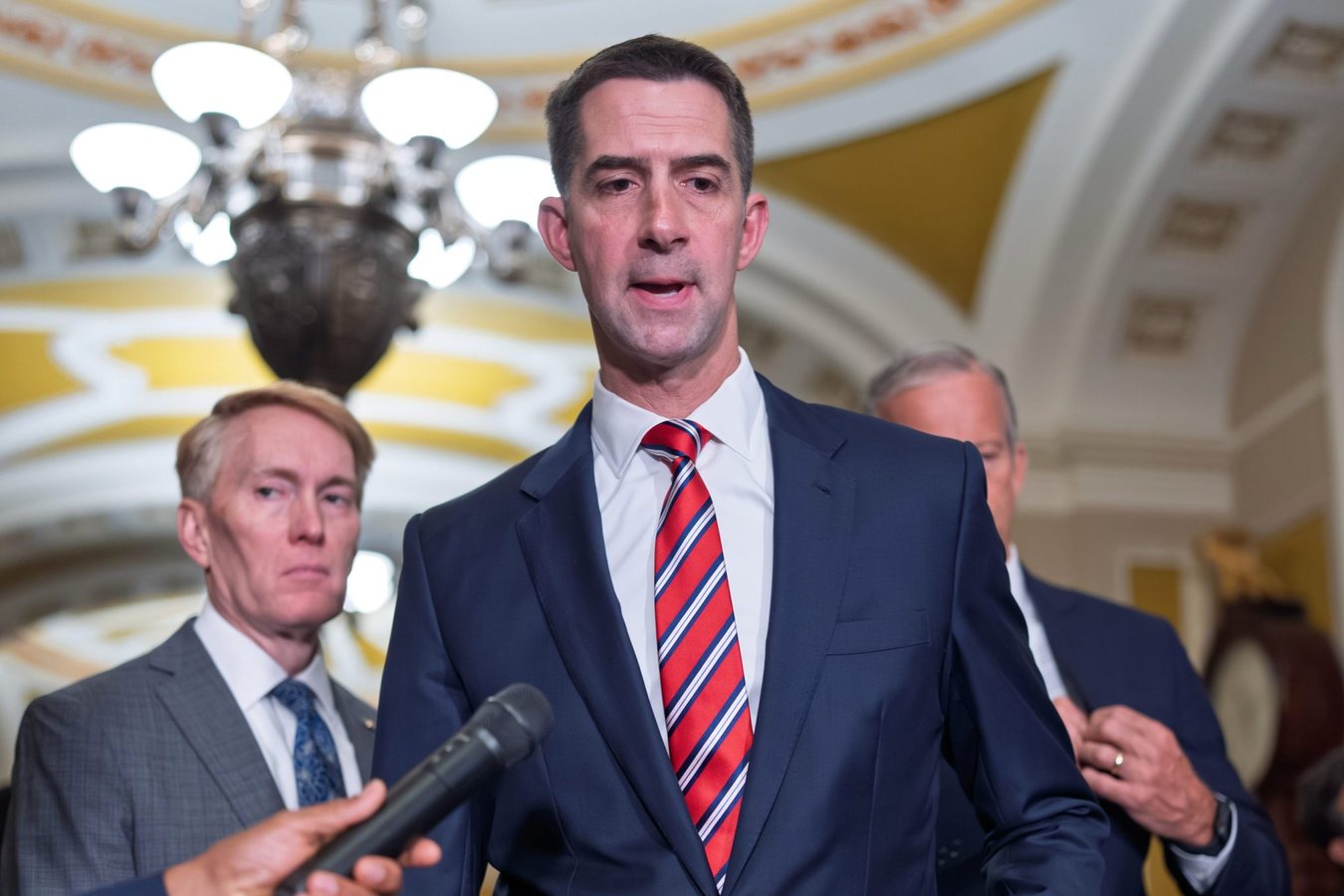
The Senate is unlikely to act before the end of the year on a House-passed bill that would make daylight saving time permanent, frustrating President Donald Trump and the Americans who dislike changing their clocks twice a year. The delay comes as much of the country turns its clocks back an hour on Sunday, and as several senators openly oppose the measure.
Supporters of the bill argue that ending the seasonal time change would give Americans more daylight in the afternoon, when they are most active. Opponents counter that in some states, commuters would not see the sun until after 9 a.m. during winter months. Republican Senator Tom Cotton of Arkansas, a member of the party's leadership, has been the most vocal critic. "No one likes changing the clock, me included, but Congress has enacted permanent Daylight Savings Time multiple times before and repealed it each time once Americans experienced absurdly late sunrises in the winter," Cotton said.
Cotton's stance drew Trump's anger earlier this month, when the president posted the senator's personal cellphone number on social media and ordered him to "GET IT DONE!" Cotton is not alone, however. Several other Republicans, particularly from Northern states that would see much later sunrises, also oppose the legislation. South Dakota Senator Mike Rounds said: "You'd be sending kids to school in the dark."
Trump has pushed hard for the change, urging Senate Republicans to pass the House bill and send it to his desk. In posts targeting Cotton, he wrote that sunshine is better in the afternoon than the morning and that "CRIMINALS DON'T LIKE WORKING IN THE LIGHT." This week he renewed his call on Truth Social, writing that the Senate was "letting the Daylight Saving Bill die, when a vast Majority of the Country want it." The president, an avid golfer, has said extra daylight would mean more time on the course. He has also argued that changing the clocks can be dangerous when workers must reach high structures such as church steeples and municipal buildings.
Despite the pressure, the president's arguments do not appear to have shifted many votes in the Senate. Cotton has doubled down, and several Republicans have predicted the bill will not reach the floor in the limited time available after the Senate returns to Washington following the November 3 midterm elections. Republican Senator Todd Young of Indiana said his understanding is that the House bill is a "non-starter" for Senate Republican leaders. Ohio Republican Bernie Moreno was blunter when asked whether the bill would pass the Senate soon: "No way." Senate Majority Leader John Thune of South Dakota has not commented publicly on the House bill, though he has voted against similar versions in the past.
The idea has a troubled history in Washington. In the winter of 1973, during an energy crisis, Congress passed a law introducing permanent daylight saving time as a trial. That measure was repealed the following October as public support sharply declined, partly over concern for children walking to school in the dark. More than 50 years later, fewer Americans remember that experiment, but many still want to end the twice-yearly change. An AP-NORC poll last year found that only 12 per cent of American adults favoured the current system, while almost half opposed it. The American Medical Association and the American Academy of Sleep Medicine are among the groups that back a single, fixed time.
Florida Senator Rick Scott, who as governor in 2018 signed legislation allowing his state to stay on daylight saving time year-round pending federal approval, has led efforts in the Senate to make the change nationwide. "I hear from Americans constantly that they are sick and tired of changing their clocks twice a year. It's an unnecessary, decades-old practice that's more of an annoyance to families than benefit to them," Scott said. Some Democrats also support the idea. Massachusetts Democrat Ed Markey, responding when Scott introduced his own bill last year, said: "The head-spinning ritual of falling back and springing forward has a very real impact on our economy, our health, and our happiness. Let's say goodbye to 4pm winter sunsets."
5