Politics 6 min read By Alice Ashford
Andy Burnham Vows to Lead «Cost-of-Living Government» as He Takes Office
New Prime Minister Andy Burnham has promised to lead a government focused on tackling the cost-of-living crisis, announcing the removal of VAT on electricity bills from October and chairing his first Cabinet meeting.
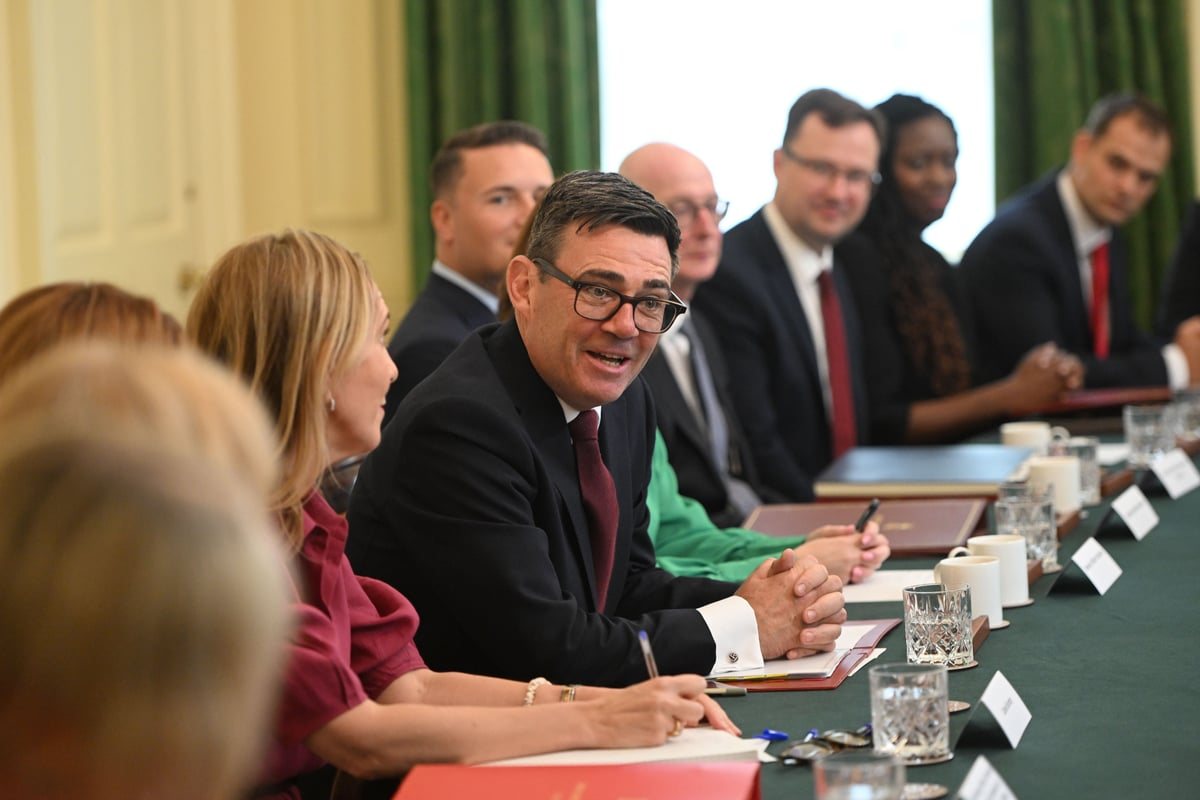
New Prime Minister Andy Burnham has pledged to lead a «cost-of-living government» as he took office, announcing an immediate tax cut on household energy bills and setting out his priorities for the new administration. In his first full day in power, Mr Burnham confirmed that VAT will be removed from electricity bills from October, a move designed to provide what he described as «breathing space» for millions of UK households struggling with high energy costs.
The announcement came as Mr Burnham chaired his first Cabinet meeting at Downing Street, where he welcomed his new ministerial team and urged them to focus on delivering tangible improvements to people's everyday lives. The prime minister is understood to have told his Cabinet that the government must be judged on its ability to ease financial pressures on families, with the cost of living set to remain the defining issue of his early tenure.
The decision to scrap VAT on electricity bills is expected to save the average household around £150 per year, according to Treasury estimates. The policy fulfils a key campaign pledge and signals that Mr Burnham intends to move quickly on economic measures that directly affect consumers. Energy analysts have noted that the timing of the announcement, ahead of the winter months, is intended to maximise its impact on household budgets.
However, the new prime minister's cost-of-living focus comes amid growing speculation that his government is considering introducing a wealth tax to help fund public services and reduce the budget deficit. While Downing Street has not confirmed any such plans, sources close to the Treasury have indicated that options for increasing revenue from high-net-worth individuals are being examined as part of the forthcoming fiscal review.
Mr Burnham's first Cabinet meeting also addressed the ongoing crisis at Thames Water, with the government facing pressure to intervene in the struggling utility. A consortium of investors holding £17 billion of the company's debt has offered the government a «golden share» in a last-ditch attempt to prevent nationalisation. London & Valley Water, the consortium, said it recognised the prime minister's desire for greater public control and stronger accountability at the water company. The offer would give the government veto power over major decisions and hostile takeovers, potentially averting a full-scale state takeover.
The Thames Water situation represents one of the most immediate challenges for the new administration. Mr Burnham had previously called for greater public control over the water industry during his election campaign, and his government is now weighing the consortium's proposal against the option of temporary nationalisation. Industry experts have warned that the outcome will set a precedent for the government's approach to failing private utilities.
In his first address to the nation as prime minister, Mr Burnham struck a conciliatory tone, acknowledging the scale of the challenges facing the country while expressing confidence in his government's ability to deliver change. He emphasised that his administration would be judged not by its promises but by its results, particularly in areas such as energy costs, housing, and public services.
The new prime minister's Cabinet appointments have drawn attention for their blend of experienced figures and fresh faces. Key positions include John Healey as Chancellor of the Exchequer, who will be responsible for overseeing the fiscal strategy, including any potential wealth tax. The Cabinet is expected to meet regularly to monitor progress on cost-of-living measures, with Mr Burnham insisting that every department must contribute to easing financial pressures on households.
Political analysts have noted that Mr Burnham's early focus on the cost of living reflects the central theme of his successful election campaign, which resonated with voters in traditional Labour heartlands and beyond. By prioritising immediate relief on energy bills, the prime minister is seeking to maintain the political momentum that brought him to power. However, the challenge will be sustaining public confidence as the government grapples with broader economic constraints, including high inflation, sluggish growth, and stretched public finances.
The removal of VAT on electricity bills has been broadly welcomed by consumer groups, though some have cautioned that it is only one part of a wider solution needed to address energy affordability. Environmental campaigners have also urged the government to couple the tax cut with stronger investment in renewable energy and home insulation to reduce long-term dependence on fossil fuels.
As Mr Burnham settles into office, the coming weeks will be critical in defining the direction of his government. The promised cost-of-living focus will be tested by the realities of governing, including difficult decisions on tax and spending. For now, the prime minister is betting that swift, visible action on household bills will buy him the political capital needed to tackle the deeper structural challenges facing the British economy.
78