Politics 4 min read By Arthur Ellington
Trump’s AI superhero memes clash with economic reality ahead of US midterms
As President Donald Trump faces low approval ratings on the economy, rising gas prices and an ongoing Iran war, his social media accounts have intensified a stream of AI-generated memes portraying him as an omnipotent superhero. Republican strategists warn the tactic may energise his base but will not win over the affordability voters who will decide the midterm elections.
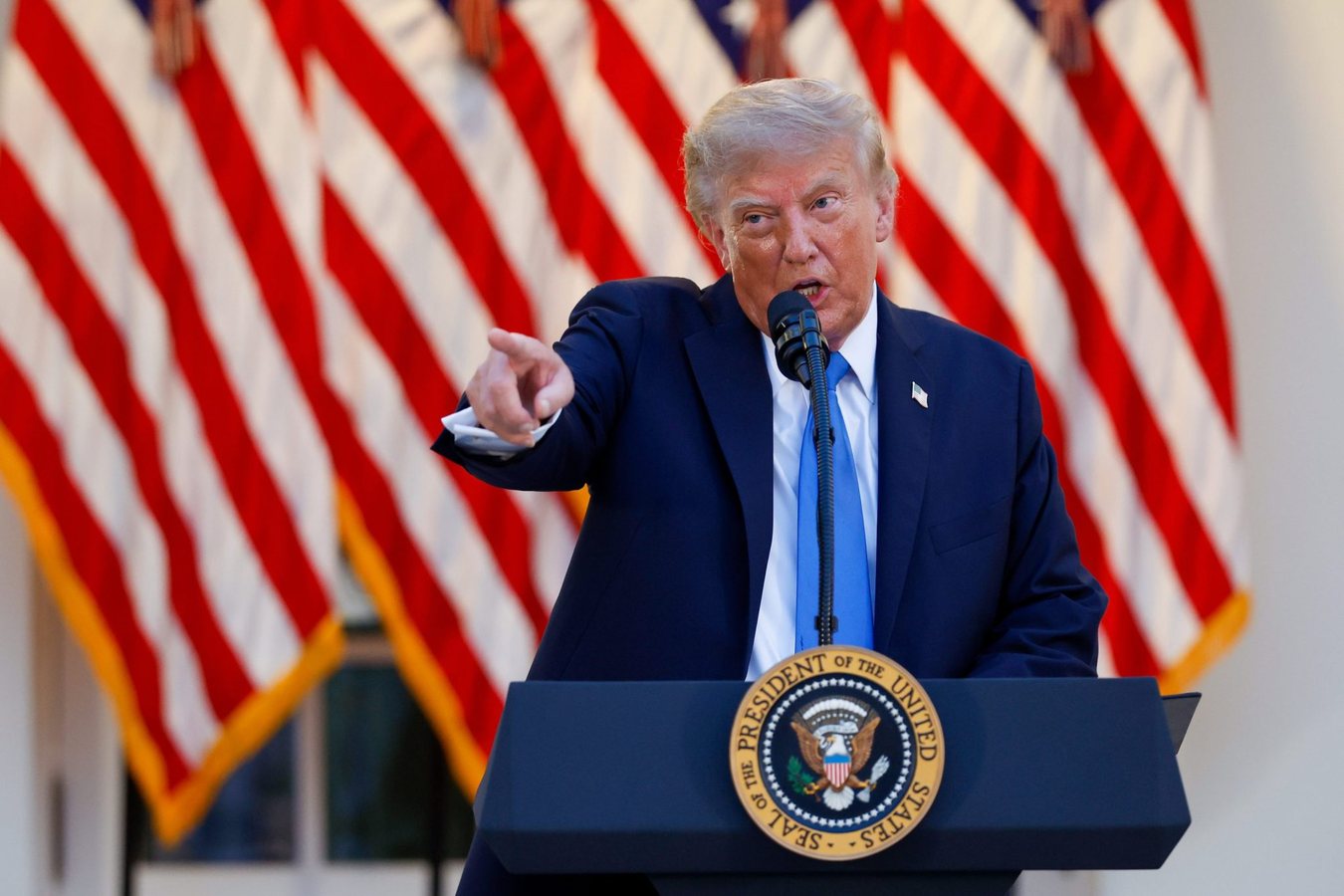
President Donald Trump has responded to falling approval ratings and mounting economic pressure with an intensified barrage of AI-generated memes portraying himself as a superhero, even as Republicans prepare to put him at the centre of their midterm election strategy. The social media campaign, unleashed over the Labor Day weekend, depicts the president as singularly powerful in stark contrast to the real-world challenges facing his administration.
One video showed Trump wielding the Green Lantern’s ring to build a border wall and erect factories, while another placed him in a US hockey uniform towering over Canadian Prime Minister Mark Carney. A third post featured the president on a military ship bombarding an enemy fleet. The White House has previously defended the memes as humorous, with communications staff member Kaelan Dorr posting that “the memes will continue” alongside “the winning will continue”.
The timing is significant. Most US adults are unhappy with Trump’s handling of the economy, and public opinion has turned against the Iran war. Gasoline now averages $4.15 a gallon, nearly 30% higher than a year ago, a figure that undermines the president’s earlier promise to bring prices below $2. The gap between the fantastical online portrayal and everyday reality has become glaringly stark ahead of the November elections.
Republican strategists warn that the approach carries risks. Kevin Madden, a Republican consultant, said the memes can energise the president’s “Make America Great Again” base but do nothing to address inflation. “The affordability voter is driving this election cycle and the issues they care about are anchored in the economy,” he said. Voters likely to determine control of Congress “are not going to be won over with memes”.
The party will put Trump centre stage at an unusual midterm convention in Dallas this week, hoping to stoke enthusiasm among core supporters. Yet polling suggests the strategy has limits. Only 33% of US adults approve of his handling of the presidency, according to a July AP-NORC poll, with just 15% expressing strong approval, down from 22% shortly after he took office.
The memes have also created problems for the president. In April he posted an image of himself as Jesus, later claiming he believed it showed him as a medical doctor. His account shared a racist video depicting former President Barack Obama and his wife Michelle as primates in February, which was deleted after backlash. Last October, Trump shared a video of himself in a fighter jet dumping waste on American protesters.
Andrew Bates, a former deputy press secretary for Joe Biden, said the memes appear to be an attempt to avoid the actual responsibilities of governing. He noted that Trump’s predecessor, who is three years older, faced relentless scrutiny about his age while in office, and his team also embraced meme culture to project vitality. Questions about Trump’s own health have circulated online, spurred by images of bruised hands and video clips appearing to show him asleep in meetings, which officials deny.
The White House press office did not respond to a request for comment on the meme strategy. The president sometimes shares content created by online supporters, while at other times government staff produce the images as part of official messaging, including a recent series of retro video games such as a “Tetris” knockoff called “Build the Wall”.
63