Politics 5 min read By Arthur Ellington
Andy Burnham urges cabinet to explore all options to tackle cost of living crisis
Prime Minister Andy Burnham has urged his new cabinet to examine all possible measures to address the cost of living crisis, as questions mount over how he will fund key pledges including removing VAT from electricity bills and increasing defence spending.
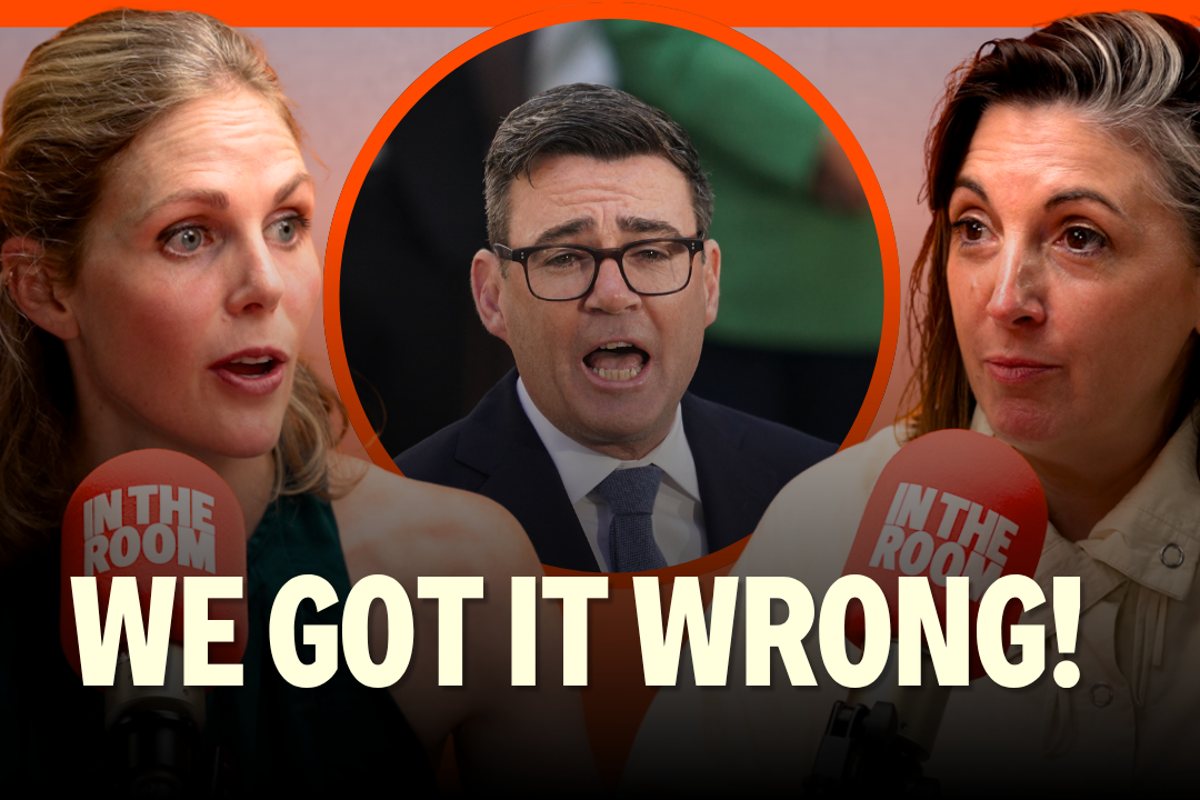
Prime Minister Andy Burnham has urged his new cabinet to examine «all possible ways» to tackle the cost of living crisis, as he faced mounting pressure over how he will fund his policy pledges. On his first full day in power, Mr Burnham briefed his ministers on what he described as a «cost of living government», but critics immediately questioned where the money would come from for his ambitious agenda.
The new prime minister has promised to remove VAT from electricity bills, a move aimed at easing the financial burden on households struggling with high energy costs. However, he also faces demands from his own chancellor, John Healey, for a significant uplift in defence spending, with Mr Healey reportedly pushing for the UK to commit to spending 3% of GDP on defence by 2030. Mr Healey resigned as Keir Starmer's defence secretary last month over the previous government's refusal to increase military funding, making his appointment as chancellor a surprise choice that has raised eyebrows across Westminster.
Mr Burnham unveiled his first cabinet late on Tuesday, after weeks of speculation about the shape of his top team. The reshuffle saw John Healey appointed as chancellor, Ed Miliband moved to the Foreign Office, and Shabana Mahmood remaining as home secretary. The appointments mark a clear break from the Starmer era, with Mr Burnham purging several of his predecessor's allies and replacing them with figures seen as closer to his own political vision. Over a whirlwind two days, the new prime minister also held calls with world leaders and made a flurry of announcements, signalling an energetic start to his premiership.
The central challenge facing Mr Burnham is how to reconcile his cost of living pledges with the defence spending demands. Removing VAT from electricity bills would cost the Treasury billions of pounds in lost revenue, while increasing defence spending to 3% of GDP would require an additional tens of billions annually. Mr Healey, as chancellor, is now responsible for balancing the books, and his previous stance on defence spending suggests he will push hard for increased military investment. However, Mr Burnham has so far declined to commit to the 3% target by 2030, and has ruled out issuing so-called «war bonds» to raise money for the military, a proposal that had been floated by some in his party.
The prime minister's reluctance to specify how he will fund his promises has drawn criticism from opposition parties and some economic analysts. They argue that without a clear fiscal plan, the government risks either breaking its commitments or increasing borrowing, which could put upward pressure on interest rates and inflation. Mr Burnham has insisted that his government will be fiscally responsible, but has not yet provided detailed costings for his main policies.
Beyond the immediate funding questions, Mr Burnham's cabinet appointments reflect his broader political strategy. Ed Miliband's move to the Foreign Office is seen as a reward for loyalty and a signal that the new government will take a more active role on the international stage, particularly on climate change and human rights. Shabana Mahmood's retention as home secretary suggests continuity on domestic security and immigration policy. Meanwhile, Sir Chris Bryant was appointed as Northern Ireland Secretary, with Mr Bryant pledging to keep his door open to all parties at Stormont, indicating a desire to maintain stability in the region.
The cost of living crisis remains the most pressing issue for the new government. Millions of households across the UK continue to struggle with high energy bills, food prices, and mortgage costs, despite some recent easing in inflation. Mr Burnham has made tackling this crisis the central theme of his early premiership, but the lack of detail on funding has left many wondering whether his promises are achievable. The prime minister has asked his cabinet to explore «all possible ways» to address the issue, which could include measures such as windfall taxes on energy companies, increased borrowing, or reallocating spending from other departments.
As Mr Burnham settles into Downing Street, the coming weeks will be critical in determining whether he can turn his ambitious agenda into reality. The pressure is on to deliver a credible fiscal plan that satisfies both his own party's expectations and the broader public's need for relief from the cost of living squeeze. With a new cabinet in place and a clear mandate for change, the prime minister now faces the difficult task of translating his promises into concrete action.
90