Politics 6 min read By Bethany Hadley
Andy Burnham to be confirmed as Labour leader, pledges ‘unashamedly Labour’ government
Andy Burnham will be formally announced as Labour leader at a special conference on Friday, pledging a government that is ‘unashamedly Labour’ and vowing to reverse Thatcher-era policies. He will become prime minister after the weekend.
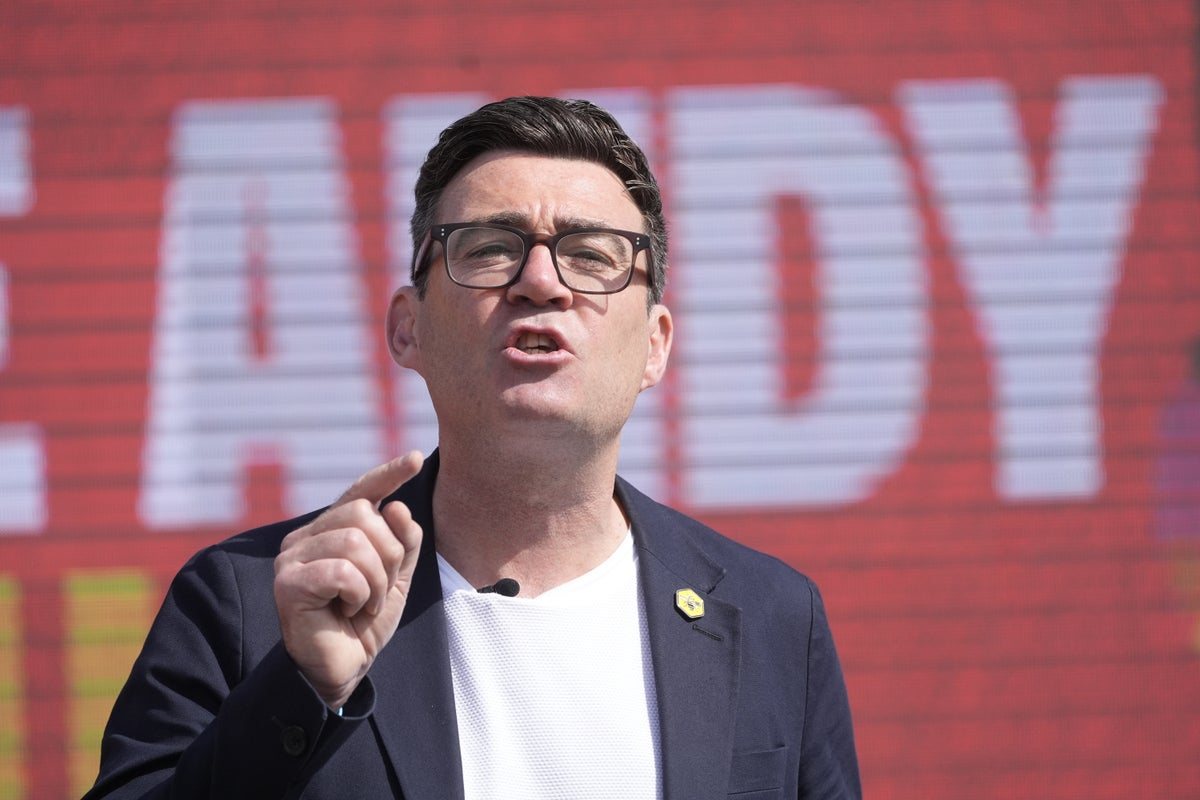
Andy Burnham is set to be formally announced as the new leader of the Labour Party at a special conference on Friday, where he will deliver his first major speech since winning the leadership contest. In his address, Burnham is expected to pledge that his government will be «unashamedly Labour», signalling a clear break from the centrist approach of his predecessor, Sir Keir Starmer. The event, scheduled for noon, marks a pivotal moment for the party as it prepares for a change in direction under Burnham’s leadership.
Burnham, the Member of Parliament for Makerfield, has secured the backing of more than 80 per cent of Labour MPs in a formal nomination process, underscoring the broad support he enjoys within the parliamentary party. He will take over as Labour leader on Friday but will have to wait until after the weekend to formally become prime minister, following the necessary constitutional steps. The transition comes after Starmer’s resignation, which followed a period of internal party debate and declining public approval ratings.
In his speech, Burnham is expected to outline a vision focused on reversing what he describes as the legacy of former Prime Minister Margaret Thatcher, with a strong emphasis on housing, public services, and economic fairness. He has previously signalled plans to introduce a wealth tax and to build more council homes, policies that have drawn both praise and criticism from across the political spectrum. The new leader’s commitment to these measures is seen as an attempt to reconnect Labour with its traditional working-class base, which has drifted towards other parties in recent elections.
However, not all reactions have been positive. Zack Polanski, the leader of the Green Party, expressed scepticism about Burnham’s ability to deliver meaningful change. In an interview on Sky News, Polanski warned that Burnham could end up being «Keir Starmer with a different face», arguing that the new leader’s rhetoric may not translate into action. Polanski pointed to Labour’s continued arms sales to Israel and the lack of a clear wealth tax as evidence that Burnham’s policies may fall short of progressive expectations. «Why have semi-skimmed when you could come to the Green Party and actually have the full version?» Polanski said, urging voters to seek more radical alternatives.
The special conference in London will be attended by Labour MPs, party officials, and trade union representatives, all of whom will witness the formal ratification of Burnham’s leadership. The event is expected to be a carefully choreographed affair, designed to project unity and a fresh start for the party after months of internal turmoil. Burnham’s team has emphasised that the speech will set out a clear direction for the government, focusing on practical policies rather than abstract ideology.
Burnham’s rise to the top of British politics has been a long and often turbulent journey. He first entered Parliament in 2001 and served as a minister under Gordon Brown, holding the health and culture portfolios. After Labour’s 2010 election defeat, he ran for the party leadership but lost to Ed Miliband. He later served as Mayor of Greater Manchester, a role that gave him a platform to champion regional devolution and public health initiatives. His tenure as mayor was marked by a high-profile campaign against the government’s handling of the Covid-19 pandemic and a strong focus on homelessness and housing.
As prime minister-in-waiting, Burnham faces a daunting set of challenges. The UK economy is grappling with sluggish growth, high inflation, and a cost-of-living crisis that has squeezed household incomes. Public services, particularly the National Health Service, are under severe strain, with waiting lists at record levels. Burnham has promised to prioritise investment in healthcare, education, and housing, but he will also have to navigate a tight fiscal environment and manage expectations among his party’s left wing.
The transition of power is expected to be completed by early next week, when Burnham will formally kiss hands with the monarch and appoint his cabinet. Reports suggest that Shabana Mahmood, the current Home Secretary, is being considered for the role of Chancellor of the Exchequer, a move that has already drawn criticism from the Greens and some Labour left-wingers who view her as too centrist. Burnham’s cabinet choices will be closely watched as an early indicator of his political priorities and the balance of power within the new government.
Political analysts note that Burnham’s leadership represents a significant shift for Labour, moving away from Starmer’s cautious, managerial style towards a more assertive, redistributive agenda. Whether this will be enough to win back voters who have defected to the Conservatives, the Liberal Democrats, or the Greens remains to be seen. The coming weeks will be crucial as Burnham sets out his legislative programme and begins to implement the policies he has championed on the campaign trail.
88