
Politics 5 min read By Bethany Hadley
Andy Burnham tipped as future Prime Minister amid growing speculation
Greater Manchester Mayor Andy Burnham is increasingly seen as a potential successor to Keir Starmer, with voters and commentators debating his policies on council tax, pensions, and EU relations.
Greater Manchester Mayor Andy Burnham is emerging as a leading contender to become the next Prime Minister, sparking debate among voters and political analysts about his policy platform and leadership style. Speculation has intensified following recent comments from a voter in the South West who expressed both hope and concern about Burnham's potential premiership, highlighting the mixed feelings surrounding his rise.
Burnham, a former Labour cabinet minister under Gordon Brown, has long been seen as a prominent figure within the party. His tenure as Mayor of Greater Manchester has given him a high-profile platform, particularly during the COVID-19 pandemic when he clashed with the government over lockdown restrictions and funding. This visibility has fuelled talk of a future bid for the top job, with some polls suggesting he could appeal to voters beyond Labour's traditional base.
The speculation has been further stoked by recent policy announcements attributed to Burnham. He has indicated he would maintain the controversial pensions triple lock, a commitment that protects the state pension's value against inflation, average earnings, or 2.5 per cent — whichever is highest. This pledge has drawn both support from pensioner groups and criticism from those who argue it is fiscally unsustainable. Burnham has also ruled out calling an early general election, signalling a preference for stability if he were to take office.
On the international stage, Burnham has expressed a desire to negotiate a better post-Brexit trade deal with the European Union, a stance that could appeal to pro-European voters but may alienate those who backed leaving the bloc. His cultural tastes, including naming Martin Scorsese's film «Goodfellas» among his favourites, have been noted in profiles, though such personal details are unlikely to sway policy debates.
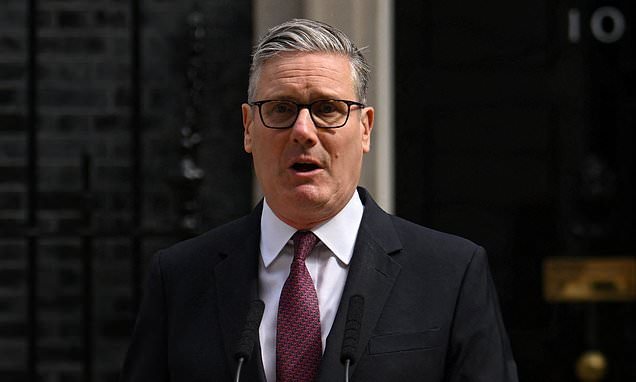
Current Prime Minister Keir Starmer has insisted that whoever replaces him will face the same global conflicts and domestic pressures, dismissing suggestions that a new leader could spend less time on international affairs. Starmer, who has described his own tenure as successful, has vowed to «keep his mouth shut» when Burnham eventually takes charge, a remark interpreted by some as a thinly veiled swipe at his potential successor. The comment came amid reports of an «intensely personal» resignation decision by Starmer, though he has not formally stepped down.
Burnham's policy agenda also includes a call to overhaul the council tax system, which he has described as a «relic of unfair Britain». He has argued that the current system punishes working households and has urged future governments to be brave enough to confront it. This proposal resonates with many homeowners in England and Scotland who have seen their bills rise sharply in recent years, but it also raises questions about how to replace the revenue without causing disruption to local services.
The debate over Burnham's potential leadership comes at a time when Labour is grappling with internal divisions and a challenging economic backdrop. Inflation, though easing, remains above the Bank of England's target, and public services are under severe strain. Burnham's experience running a large metropolitan authority could be seen as an asset, but critics argue that his record on transport and housing in Manchester is mixed.
Political analysts note that Burnham's appeal lies partly in his ability to connect with voters in the North of England, a region that has often felt neglected by Westminster. His focus on regional inequality and his willingness to challenge central government have earned him a loyal following. However, his path to Number 10 is far from certain. He would need to win a leadership contest within Labour, and then secure a general election victory — both formidable challenges.
For now, the speculation remains just that. Burnham has not formally declared any intention to run for the leadership, and Starmer shows no signs of stepping down imminently. Yet the conversation around Burnham's potential premiership reflects a broader uncertainty about the future of British politics, as the country navigates economic headwinds, post-Brexit realignment, and a volatile international landscape.
90