Politics 6 min read By Alice Ashford
Andy Burnham faces six immediate political challenges as he enters Downing Street
Incoming Prime Minister Andy Burnham must tackle a series of urgent political issues in his first weeks, including relations with Donald Trump, the cost-of-living crisis, and domestic policy priorities, as he takes over from Sir Keir Starmer without a general election.
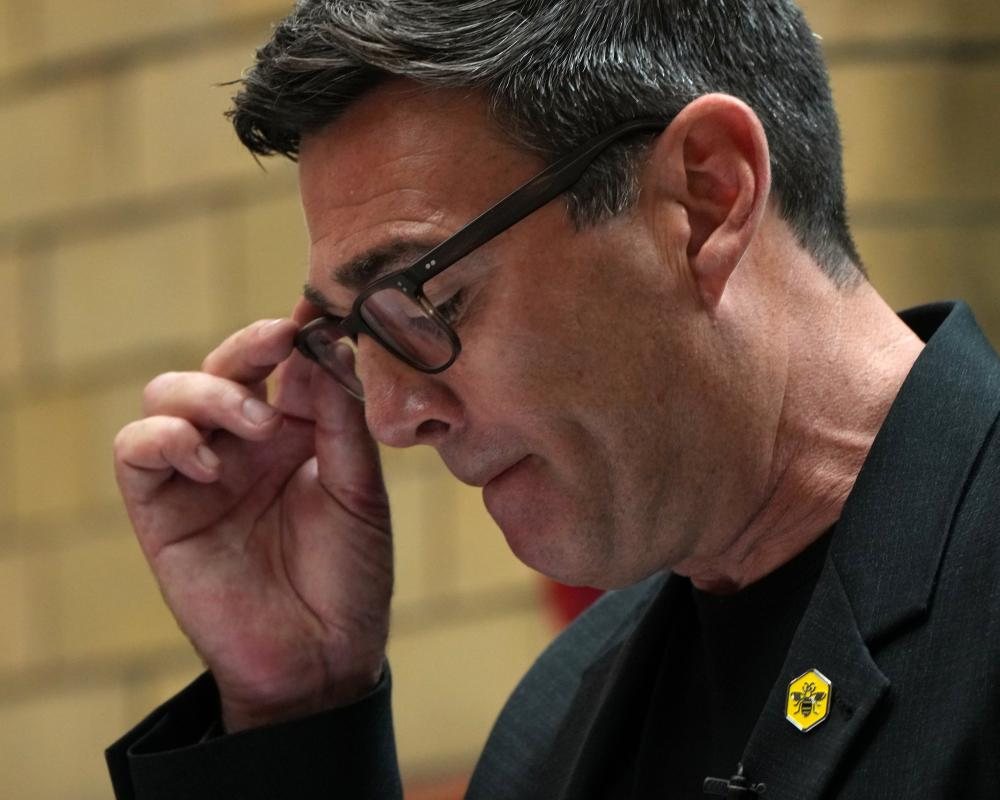
Andy Burnham is set to become Britain’s next prime minister on Monday, taking over from Sir Keir Starmer without a general election. The veteran Labour politician inherits a government facing a series of immediate political challenges that will demand his attention from his very first days in Downing Street. According to sources familiar with the transition, Burnham is already consulting with former Starmer chief of staff Sue Gray, who is advising him in an unofficial capacity on how to handle the most pressing issues.
Gray, who compiled a dossier of urgent problems for Starmer when Labour prepared for power in 2024, is now helping Burnham navigate a similar landscape. The incoming prime minister must quickly establish his approach to a range of contentious topics, from international relations to domestic economic pressures. Among the most significant headaches is the relationship with the United States under President Donald Trump, which requires careful handling to protect British interests while maintaining the special relationship.
The cost-of-living crisis remains a central concern for millions of British households. Burnham has hinted at his main priorities for his government, which include easing financial pressures on families, addressing housing affordability, and reforming the welfare system. The new prime minister is expected to announce early measures to support those struggling with high energy bills and food prices, though the precise details of his plan remain under wraps.
Immigration policy is another area where Burnham faces difficult choices. The Labour government has pledged to reduce net migration while ensuring the economy has access to necessary skills. Burnham’s stance on immigration, as outlined during his campaign, includes a focus on fair but controlled borders, with an emphasis on tackling illegal migration and streamlining the asylum process. Critics argue that the government must balance humanitarian obligations with public concerns about pressure on public services.
Taxation is a further political minefield. Burnham has signalled that he will not increase taxes for working people, but he must also find ways to fund public services and reduce the national debt. The new prime minister is expected to review the fiscal rules set by his predecessor and may consider adjustments to inheritance tax, capital gains tax, or other levies to generate revenue without breaking election promises. Business groups are watching closely for any signs of a shift in corporate taxation.
Pensions policy also requires urgent attention. The state pension triple lock, which guarantees annual increases in line with inflation, average earnings, or 2.5 per cent — whichever is highest — is a costly commitment that Burnham must decide whether to maintain. The rising cost of an ageing population puts pressure on the public finances, and any change to the triple lock would be politically sensitive, particularly among older voters who are a key demographic for Labour.
Housing is another critical issue. Burnham has promised to build more affordable homes and reform the planning system to speed up construction. The housing crisis affects young people disproportionately, with many unable to get onto the property ladder. The new prime minister is expected to announce a major housing package in his first few weeks, including measures to increase social housing supply and crack down on rogue landlords. However, achieving these goals will require navigating local opposition and securing investment from the private sector.
Angela Rayner, the former deputy Labour leader, is tipped for a political comeback as Burnham’s Health secretary, according to reports. Rayner, who has been out of the spotlight since a tax scandal, could bring experience and political weight to the health brief. The National Health Service is facing unprecedented pressures, with waiting lists at record highs and staff morale low. Burnham will need to deliver on his promise to improve the NHS while managing a tight budget.
The transition of power without a general election has drawn criticism from some quarters, with opponents arguing that Burnham lacks a direct mandate from the public. However, Labour insiders insist that the party’s victory in 2024 provides a democratic foundation for the change in leadership. Burnham is expected to set out his vision for the country in a series of speeches and parliamentary appearances over the coming weeks, seeking to establish his authority and outline his legislative agenda.
As Burnham prepares to enter Number 10, the scale of the task ahead is clear. From managing relations with Washington to easing the cost of living, the incoming prime minister must act quickly to demonstrate that his government can deliver for the British people. The next few weeks will be crucial in setting the tone for his premiership and determining whether he can avoid the political pitfalls that have tripped up his predecessors.
80