Politics 5 min read By Alice Ashford
Andy Burnham faces critical months to prove himself as Prime Minister
Andy Burnham, set to become Prime Minister next week, has a narrow window to make a lasting impression on voters amid economic challenges and high expectations.
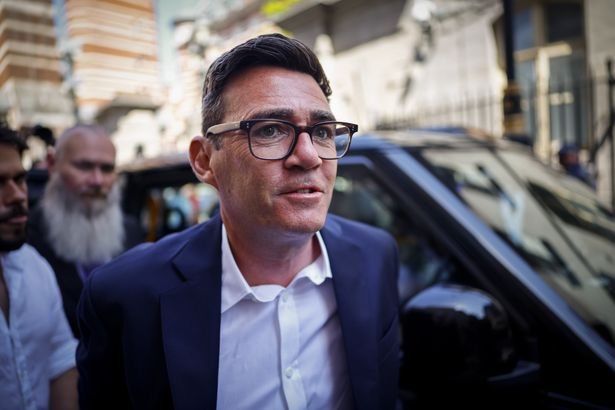
Andy Burnham, the newly elected Labour leader, is expected to formally become Prime Minister next week, but political observers warn he has only a few months to convince the public of his leadership. The former mayor of Manchester, who was officially declared Labour Party leader on Friday, takes over at a time when trust in politicians is low and the country faces significant economic pressures.
According to Daily Record Political Editor Paul Hutcheon, Burnham is entering office at an unforgiving moment for political leaders. The new Prime Minister will need to quickly establish his authority and deliver on key promises to avoid losing public confidence. Hutcheon's analysis suggests that the coming months will be crucial for Burnham to demonstrate his vision and competence.
Burnham has already outlined five major pledges aimed at changing Britain, including a push for public ownership of key industries and a commitment to devolving power away from Westminster. During a special conference in London on Friday, the next Prime Minister insisted he has a plan to give people hope back. These proposals are central to his strategy to differentiate his government from previous administrations and address long-standing grievances about economic inequality and regional neglect.
The transition of power is set to occur on Monday, with Burnham expected to meet the monarch and formally accept the role. The process will follow established constitutional procedures, including a King's Speech outlining the new government's legislative agenda. However, the speed of this transition has raised questions about how prepared his team is to govern effectively from day one.
Burnham's background as mayor of Greater Manchester gives him direct experience in regional governance, which he has cited as evidence of his ability to deliver change. His tenure in Manchester was marked by efforts to improve transport, housing, and public services, though critics argue that some initiatives fell short of expectations. Now, as Prime Minister, he will face scrutiny over whether he can replicate those efforts on a national scale.
The economic context adds urgency to Burnham's task. The International Monetary Fund has issued a warning about the UK's fiscal outlook, and the new Prime Minister will need to navigate a challenging budget environment while fulfilling his campaign promises. Public spending constraints may limit his ability to fund ambitious projects, forcing difficult trade-offs between competing priorities.
Burnham's leadership victory came after a competitive contest within the Labour Party, where he positioned himself as a candidate who could unite the party's factions and appeal to voters who had drifted away from Labour in recent elections. His success in winning the leadership reflects a desire among party members for a more assertive, left-leaning agenda, but it also places him under pressure to deliver tangible results quickly.
Political analysts note that Burnham's approach to governance will be closely watched by both supporters and opponents. His emphasis on devolution and public ownership represents a significant shift from the policies of recent governments, and implementing these changes will require navigating complex legislative and bureaucratic hurdles. Failure to make progress on these fronts could undermine his credibility and fuel criticism from within his own party.
The coming months will also test Burnham's ability to manage international relations, particularly with the European Union and the United States. Brexit negotiations remain a sensitive issue, and the new Prime Minister will need to balance his domestic agenda with the demands of global diplomacy. His stance on issues such as trade, security, and climate change will shape Britain's role on the world stage.
For now, Burnham is focused on the immediate task of forming a government and setting out his legislative programme. The King's Speech, expected shortly after he takes office, will provide the first detailed look at his priorities. Beyond that, the Prime Minister will need to demonstrate that he can turn his promises into action, earning the trust of a sceptical electorate in a short period of time.
83