Politics 6 min read By Bethany Hadley
Andy Burnham enters No 10 as Labour seeks to rebuild support lost under Starmer
Andy Burnham has become Prime Minister after Keir Starmer's resignation, facing the challenge of reuniting Labour with leftwing voters and unions who drifted away during Starmer's tenure, according to data analysis.
Andy Burnham has entered 10 Downing Street as the new Prime Minister, inheriting a Labour Party that must urgently rebuild bridges with traditional supporters who drifted away during Keir Starmer's troubled tenure. Guardian data analysis reveals deep fissures between the party and its historic bases, including leftwing voters, trade unions, and working-class communities, presenting the new leader with a formidable challenge.
Starmer entered office on a wave of optimism after a landslide victory in the 2024 general election, winning 412 seats — just a few shy of Tony Blair's 1997 result. Labour had overturned a catastrophic defeat in 2019, when the party crashed to its worst result since 1935. Yet within two years, Starmer's popularity collapsed. His net approval rating plunged from -3 when he took office to -66 by September 2025, the lowest recorded by Ipsos for any prime minister since 1977.
The erosion of support was not limited to opinion polls. In the Holyrood elections held in May, Scottish Labour lost five seats after senior figures called on Starmer to quit. The losses underscored how the party's electoral coalition, carefully assembled for the 2024 victory, had begun to fracture under the weight of policy disputes, internal divisions, and a perceived drift from Labour's core principles.
Burnham, the former Mayor of Greater Manchester and a prominent figure on Labour's left, now faces the task of winning back constituencies that felt alienated by Starmer's leadership. Among the most critical groups are leftwing voters who abandoned the party over issues such as public spending cuts, welfare reform, and the government's stance on industrial action. Many of these voters either stayed home or switched to smaller parties in recent elections, contributing to Labour's declining vote share in key urban and post-industrial areas.
Trade unions, historically the backbone of Labour's organisation and funding, also grew increasingly distant from Starmer's administration. Disputes over workers' rights, pay restraint in the public sector, and the handling of strikes created friction between the party leadership and union leaders. Burnham, who has maintained closer ties with union figures throughout his career, is expected to prioritise repairing those relationships as part of a broader strategy to stabilise the government.
The data analysis highlights several traps the new Prime Minister will want to avoid. One is the risk of alienating moderate voters who supported Labour in 2024 but may be wary of a sharp leftward shift. Another is the danger of failing to deliver tangible improvements in public services, particularly the National Health Service and housing, which remain top concerns for voters across the political spectrum. Burnham's record as Mayor of Manchester, where he championed transport investment and devolution, may provide a template for his national agenda.
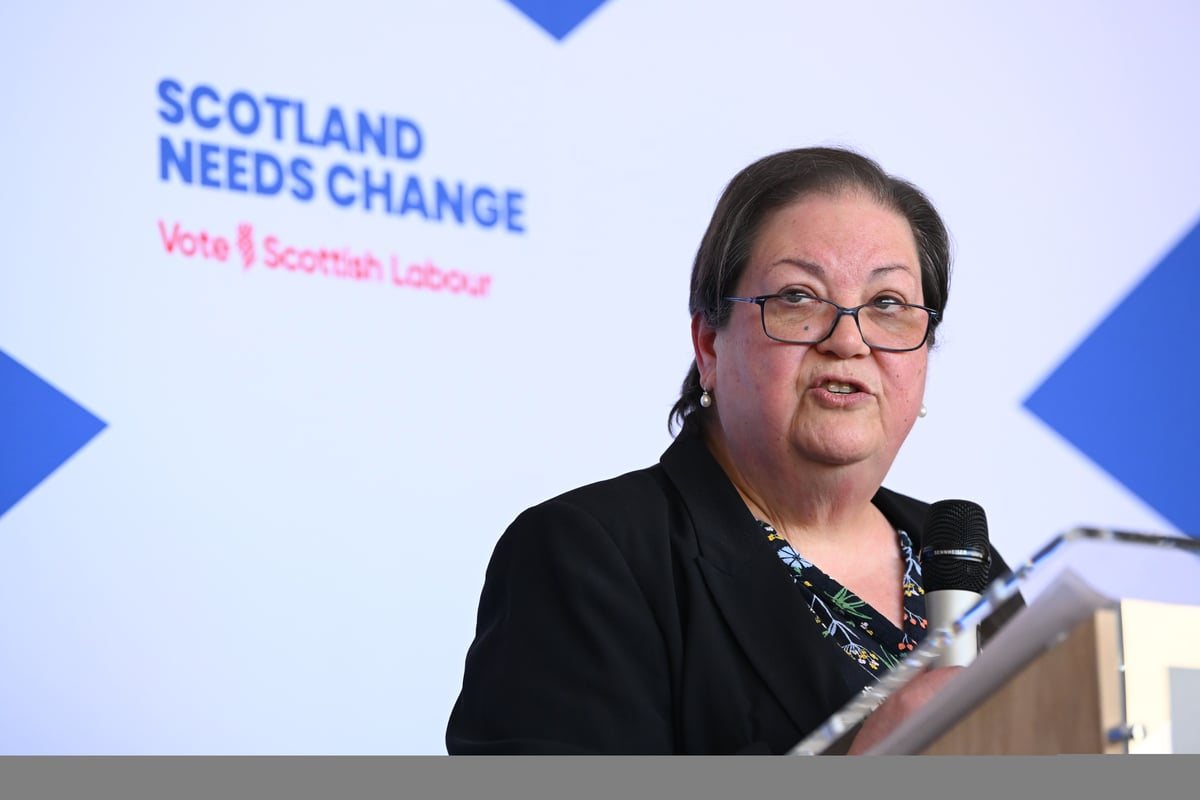
Beyond domestic challenges, Burnham must also navigate the complex dynamics of intergovernmental relations. Jackie Baillie, the Scottish Labour deputy leader, has stressed that cooperation between the UK and Scottish governments will be essential under the new Prime Minister. The Scottish Parliament elections in May demonstrated that Labour cannot take its support north of the border for granted, and rebuilding trust with voters in Scotland will require a careful balance of respect for devolution and clear policy delivery.
The broader context of Burnham's rise is a Labour Party that, despite winning a large majority in 2024, saw its support erode rapidly once in government. The data shows that the coalition of voters who delivered Starmer's victory was broader than it was deep, and many of those voters were motivated more by opposition to the Conservatives than by enthusiasm for Labour's agenda. Once in power, the party struggled to maintain that coalition while governing through a period of economic strain, industrial unrest, and global uncertainty.
Burnham's political identity as a figure who bridges the party's left and centre-left traditions may prove an asset. He has been a vocal advocate for regional devolution, public ownership of key services, and a more interventionist industrial strategy. However, he will also need to demonstrate fiscal discipline and competence to reassure financial markets and business leaders, who remain wary of Labour's spending commitments.
The coming months will test whether Burnham can reverse the decline in Labour's standing and rebuild the broad-based support that the party needs to govern effectively. The data from Starmer's tenure serves as a stark warning: even a landslide victory can be squandered if a government loses touch with its core supporters. For Burnham, the path forward lies in reconnecting with those voters, restoring trust with unions, and delivering on the promises that brought Labour to power.
94