Politics 5 min read By Bethany Hadley
Andy Burnham Cuts VAT on Electricity Bills in First Major Policy Move
New Prime Minister Andy Burnham has announced a reduction in VAT on electricity bills, a move expected to save households around £45 a year, as his cabinet prepares to meet for the first time.
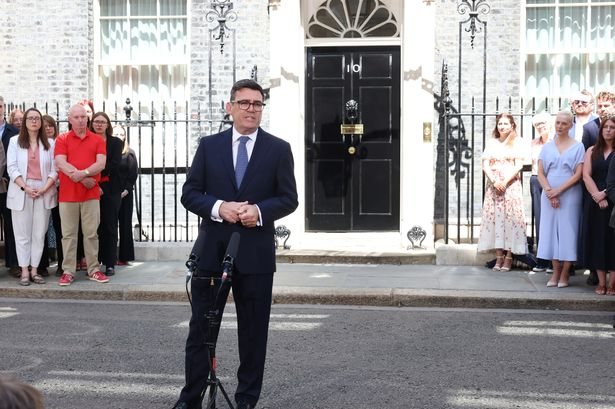
New Prime Minister Andy Burnham has made his first major policy announcement, cutting VAT on electricity bills in a move designed to ease the cost-of-living burden on households. The decision, confirmed shortly after he took office, is expected to save the average household approximately £45 per year. The announcement came as Burnham prepared to chair his first cabinet meeting, signalling an early focus on domestic economic pressures.
The VAT reduction on electricity bills was immediately met with criticism from within the Labour Party. Darren Jones, a former minister, described the plan as «unfunded», raising questions about how the policy would be paid for without impacting other public spending commitments. The criticism highlights potential tensions within the party as Burnham seeks to balance fiscal responsibility with his campaign promises to address the cost-of-living crisis.
Burnham’s first day in office also saw him engage with international leaders. António Costa, the President of the European Council, confirmed in a post on social media that he held a «good» phone call with the new Prime Minister. During the call, the two leaders agreed to «further strengthen» EU-UK relations and continue cooperation in supporting Ukraine. Costa also noted discussions on «common geopolitical challenges facing Europe», which could encompass issues such as energy price volatility linked to the US-Israel conflict with Iran, Europe’s trading and security relationship with Washington, the future of NATO, hybrid warfare threats from Russia, and the rise of national populism and anti-immigration sentiment across the continent.
In a separate development, Scottish First Minister John Swinney raised the issue of Scottish independence during his first conversation with Burnham. A statement from the Scottish Government described the discussion as «cordial», indicating that the two leaders addressed the constitutional question early in their relationship. The exchange sets the stage for what could be a significant point of contention between the UK government and the devolved administration in Edinburgh.
Meanwhile, a Russian warship conducted a rare live-fire exercise in the English Channel, 45 miles south of Plymouth, on the same day Burnham was appointed Prime Minister. The Neustrashimy, a Russian frigate, suddenly announced its intention to fire its guns and conducted a 30-minute drill, requesting that a British warship tracking it retreat to a safe distance. The incident underscores the security challenges facing the new government, particularly in the context of heightened tensions with Russia and the ongoing war in Ukraine.
Burnham’s policy agenda is expected to unfold rapidly, with the cabinet meeting on Tuesday to discuss further measures. The Prime Minister has positioned himself as a leader focused on practical solutions to everyday problems, and the electricity bill VAT cut is likely the first of several announcements aimed at addressing the cost-of-living crisis. However, the criticism from within his own party suggests that Burnham will need to navigate internal divisions carefully as he seeks to implement his vision.
The new government’s approach to international relations will also be closely watched. The phone call with Costa signals a desire to reset ties with the European Union, while the conversation with Swinney indicates that the constitutional debate over Scottish independence will remain a prominent issue. The Russian naval exercise, meanwhile, serves as a reminder of the geopolitical tensions that the Burnham administration must manage from the outset.
As the cabinet meets for the first time, the focus will be on translating campaign pledges into concrete policy. The VAT cut on electricity bills is a clear early move, but questions about funding and broader economic strategy remain unanswered. The coming days and weeks will reveal whether Burnham can maintain momentum and unite his party behind a coherent programme of government.
88