Politics 5 min read By Alice Ashford
Andy Burnham becomes UK prime minister as Keir Starmer resigns
Andy Burnham has succeeded Keir Starmer as UK prime minister after Starmer formally resigned to the King. Burnham is expected to outline a ten-year plan for the country and name his cabinet.
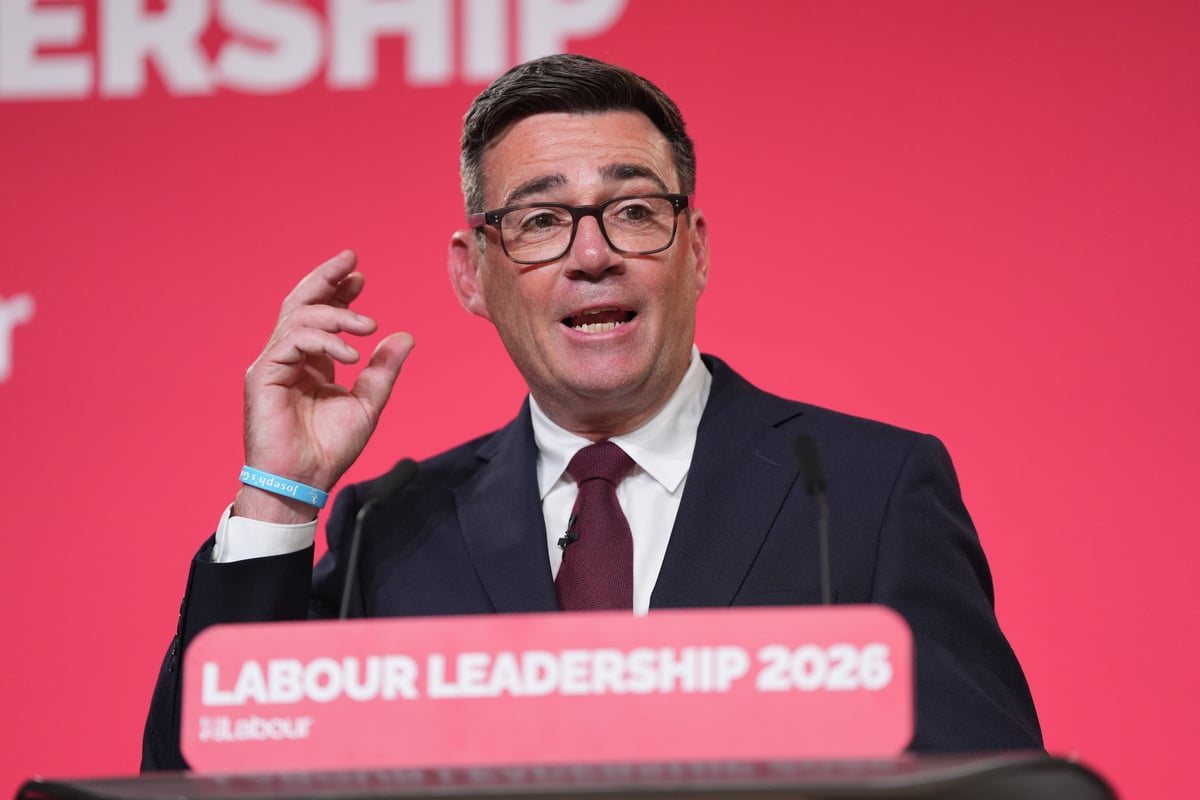
Andy Burnham has become the new prime minister of the United Kingdom, succeeding Sir Keir Starmer after a formal handover at Buckingham Palace. Starmer left Downing Street earlier on Monday to meet King Charles III and tender his resignation, marking the end of his premiership. Burnham, the Labour MP for Makerfield and former mayor of Greater Manchester, then travelled to the palace to be appointed by the monarch before heading to Number 10 to deliver his first speech as prime minister.
The transition represents a significant moment in British politics, as Labour replaces a leader who had become an electoral liability with one of the most popular politicians in the country. Polling earlier this year had indicated that Burnham was the logical choice to succeed Starmer, and the party has now acted on that assessment. Burnham arrives in Downing Street with broad support from his party, though the appointment of his cabinet later on Monday will test that unity.
In his first address from Number 10, Burnham is expected to set out a «ten-year plan for the country», focusing on structural reforms and long-term improvements. He has acknowledged that his premiership may not last a full decade, but insists the country needs a sustained period of change. «I'm not saying that means I'm setting out to say I'm going to be here for ten years … it's more that we're not in the right place structurally, we're not in the right place as a country. I think people can feel that,» he said in recent remarks.
One of the key issues Burnham has highlighted is the frozen personal allowance, currently set at £12,570, which he heard about frequently while canvassing in his Makerfield constituency. He has described the frustration of voters who feel the tax burden has increased without corresponding improvements in public services. «They're just characterising me as a tax raiser. Well, again, it's never that simplistic, is it?» he said, signalling that his government will take a nuanced approach to fiscal policy.
The handover is the sixth change of prime minister in just over a decade, following the transitions from David Cameron to Theresa May, May to Boris Johnson, Johnson to Liz Truss, Truss to Rishi Sunak, and Sunak to Starmer. Each previous change followed a pattern where the new leader was either more popular with their own party than the public, or vice versa. Burnham is unusual in that he enjoys both strong support among Labour activists and high approval ratings among the general electorate.
Burnham's path to Number 10 has been unconventional. He served as a cabinet minister under Gordon Brown and later as mayor of Greater Manchester, where he built a reputation for pragmatic leadership and effective advocacy for the region. His tenure as mayor included handling major transport projects, public health campaigns, and the response to the COVID-19 pandemic. Those experiences have shaped his approach to national governance, with an emphasis on devolution and local decision-making.
The new prime minister will now turn to forming his cabinet, a process that will be closely watched for signs of continuity or change from the Starmer era. Several senior figures from the previous government are expected to retain key roles, but Burnham may also bring in fresh faces from outside the Westminster bubble. The composition of the cabinet will signal his priorities and the direction of his government.
Political analysts note that Burnham faces immediate challenges, including a sluggish economy, strained public services, and ongoing debates over Brexit and immigration. His ten-year plan is intended to address these structural issues, but he will need to navigate a complex parliamentary landscape and manage expectations among voters who are weary of political instability. The coming days will reveal whether his premiership can deliver the lasting change he has promised.
93