Politics 6 min read By Arthur Ellington
Andy Burnham assumes premiership with pledge to reshape British politics
Andy Burnham has become Prime Minister after a carefully orchestrated political ascent, vowing to build a new politics and unite the Labour movement, following a decisive byelection victory and Keir Starmer's resignation.

Andy Burnham has entered 10 Downing Street as Prime Minister, succeeding Keir Starmer after a meticulously planned political campaign that culminated in a decisive byelection victory and a swift leadership transition. The new premier has vowed to «build a new politics» and unite behind a strong Labour movement, signalling a shift in tone and strategy for the government.
Burnham’s path to the premiership was set in motion shortly after Labour’s poor performance in local and devolved elections in May. According to allies, a detailed sequence of events was outlined: a friendly MP would vacate a parliamentary seat, Starmer would be persuaded to resign, and other leadership contenders would step aside, allowing Burnham to take the helm unchallenged. The plan, which many initially viewed as improbable, unfolded with remarkable precision.
The key moment came in the Makerfield byelection, which Labour could only win with the right candidate and a strong campaign. Burnham’s victory there was substantial enough to generate the momentum needed to push aside other obstacles. Observers noted that the «Andy» brand proved stronger than the party’s logo, reflecting his personal popularity and cross-party appeal.
Burnham, who previously served as Mayor of Greater Manchester, has long been seen as a figure capable of bridging divides within the Labour Party and appealing to voters disillusioned with traditional politics. His tenure as mayor was marked by a focus on public transport, housing, and regional development, including a bus fare cap that won widespread support. The Mirror noted that Burnham «has already shown he recognises the struggles families face,» highlighting his reputation for pragmatic, people-focused governance.
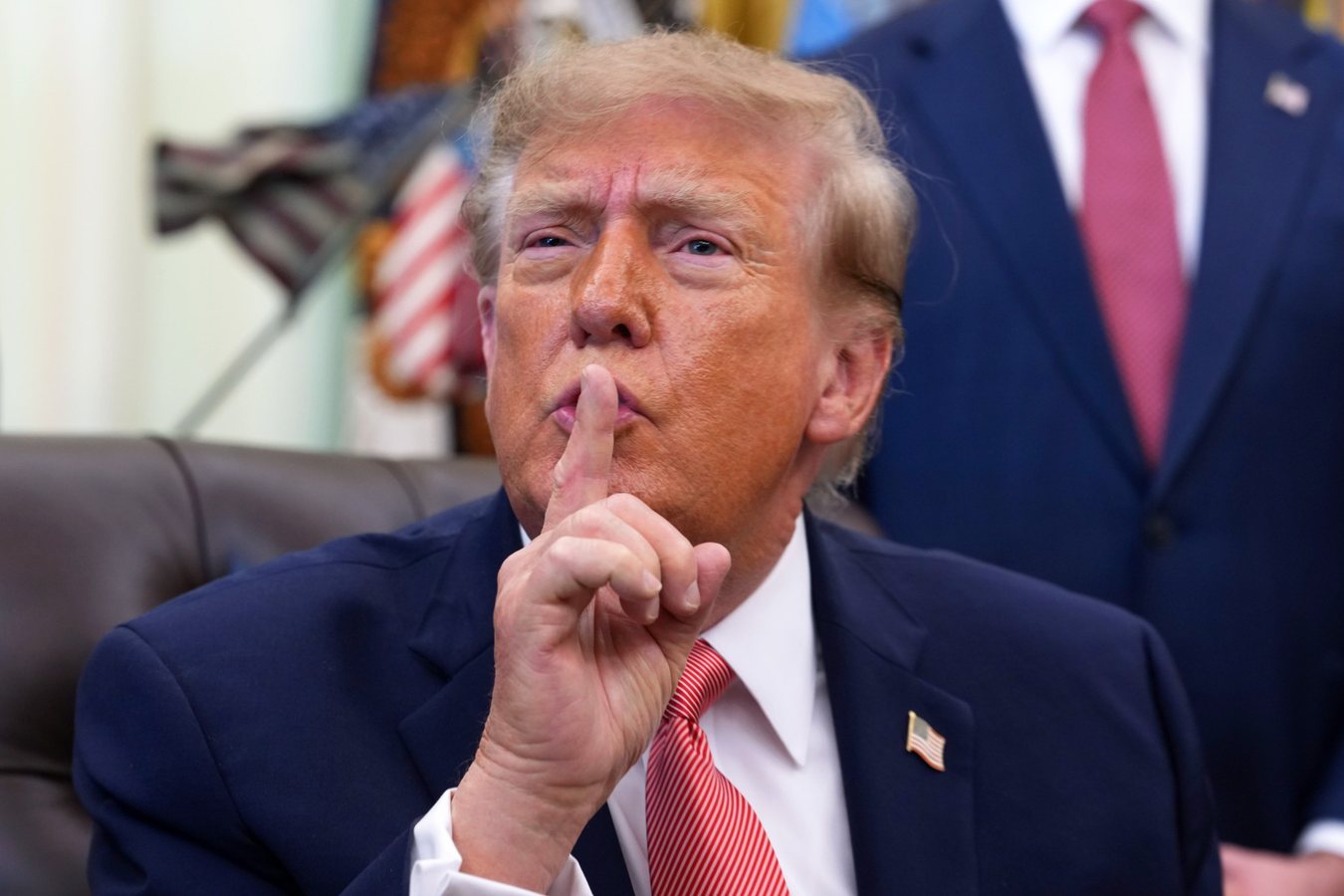
Upon entering Downing Street, Burnham’s first international engagement was a 20-minute phone call with US President Donald Trump, which Downing Street described as «extremely warm.» The conversation signals an early effort to establish diplomatic rapport, though details of the discussion have not been disclosed. The call is seen as a significant step in Burnham’s attempt to navigate the complex geopolitical landscape, particularly given the UK’s post-Brexit positioning.
However, Burnham has already faced early policy challenges. Reports indicate that he has rowed back on plans to increase the tax-free personal allowance, a move that had been anticipated by some supporters. The decision reflects the difficult fiscal realities confronting the new government, as it seeks to balance campaign promises with economic constraints. Critics argue that the reversal undermines his commitment to easing the cost-of-living burden, while allies insist it is a necessary compromise to maintain fiscal discipline.
Burnham’s rise to power represents a generational shift in British politics. At 55, he brings a blend of ministerial experience—having served under Gordon Brown and Ed Miliband—and local government leadership. His mayoral record in Greater Manchester, where he championed devolution and public service reform, is expected to inform his approach to national governance. He has long advocated for a more decentralised UK, with greater powers for regions and cities, a vision that may now be tested on a national scale.
The new Prime Minister faces a daunting agenda: restoring public trust in politics, addressing the cost-of-living crisis, reforming public services, and navigating the UK’s relationship with the European Union and the United States. His promise to «build a new politics» resonates with a electorate weary of short-termism and partisan bickering, but translating that rhetoric into tangible change will require sustained effort and political skill.
Burnham’s allies emphasise that he is playing a long game in an age of short attention spans. His decade-long plan for the country, they argue, requires patience and strategic thinking, qualities that are often in short supply in the frenetic cycle of modern politics. Whether the public will afford him that time remains to be seen, but for now, the new Prime Minister has the opportunity to shape the direction of the nation.
The transition of power has been smooth, with Starmer stepping aside gracefully and the Labour Party rallying behind its new leader. Internal dissent has been minimal, a testament to Burnham’s ability to unite factions. The Conservative Party, still reeling from its own electoral setbacks, has yet to mount a sustained attack on the new government, but that is expected to change as the political battle lines are redrawn.
As Burnham settles into Number 10, the coming weeks will be critical. He is expected to announce his cabinet, set out his legislative agenda, and begin the hard work of governing. The early signs are of a leader who is deliberate, methodical, and keenly aware of the challenges ahead. Whether his long game pays off will depend on his ability to deliver results in a world that demands instant gratification.
90