
Politics 4 min read By Arthur Ellington
Andy Burnham appoints first Labour cabinet with John Healey as Chancellor
New Prime Minister Andy Burnham has named his first cabinet, appointing John Healey as Chancellor and rewarding loyalists while removing allies of former leader Keir Starmer.
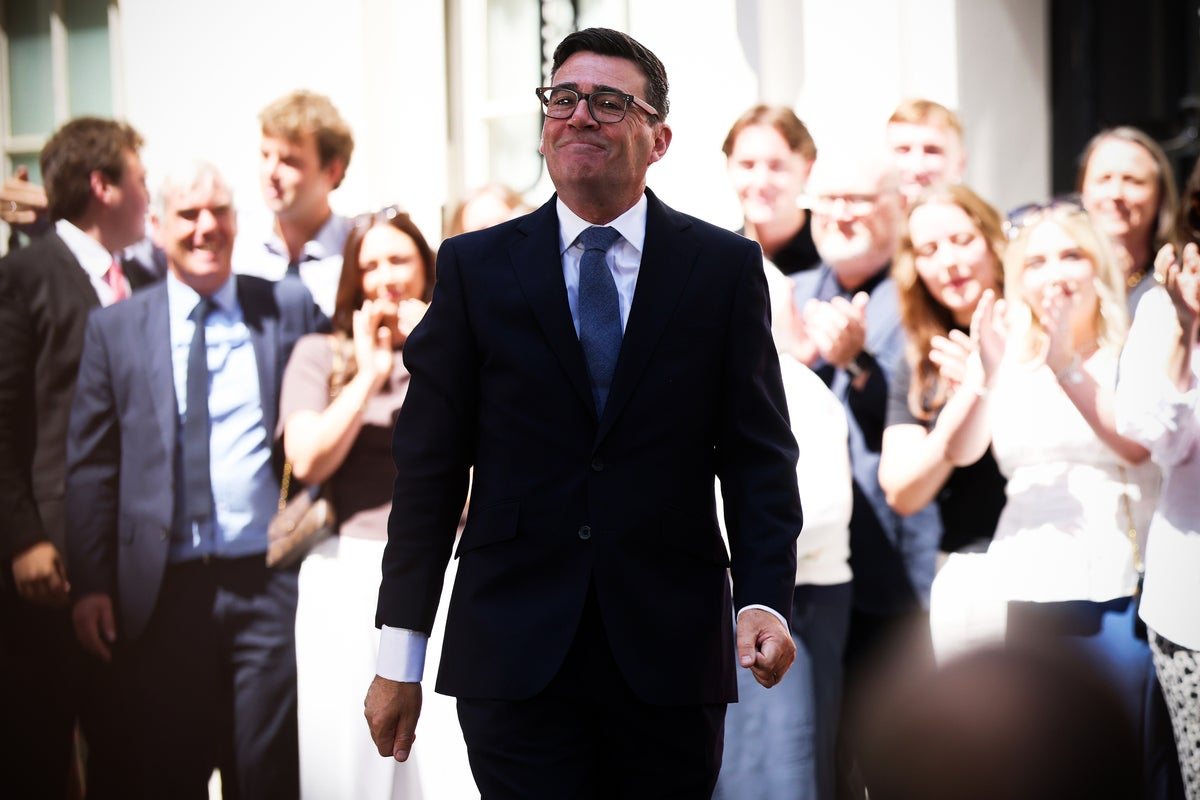
Andy Burnham has appointed his first cabinet as Prime Minister, with John Healey taking the role of Chancellor of the Exchequer in a reshuffle that marks a decisive break from the administration of his predecessor, Keir Starmer. The new government, announced on Monday, reflects Burnham’s promise to deliver what he called «the most significant change moment in our politics for 40 years».
Healey, a former defence secretary who resigned under Starmer’s tenure, returns to the Treasury, replacing Rachel Reeves. His appointment is seen as a reward for loyalty to Burnham’s takeover efforts and a signal of the new Prime Minister’s intent to prioritise economic stability and social reform. In his first Downing Street speech, Burnham vowed that his arrival in power would be a «circuit breaker» for the UK, insisting he does not want to leave office before the social care crisis is fixed.
The cabinet clear-out has been brutal, with many considered to be on the right of the party or close to the former prime minister losing their jobs. Burnham had promised to pick his top team from all wings of the party in an effort to show he is trying to run a more inclusive administration, but the purge of Starmer allies has been extensive. Among those who have lost their positions are several key figures from the previous government, though the full list of departures has not yet been confirmed.
Angela Rayner, the Deputy Prime Minister, has been spotted at Number 10, indicating she retains a senior role in the new administration. Ed Miliband, a former Labour leader, has been handed a top job, though the exact portfolio has not been disclosed. The appointments suggest Burnham is seeking to balance experience with fresh faces, drawing on figures who have been critical of Starmer’s leadership.
Burnham’s first instruction as Prime Minister was to end rough sleeping, a policy priority that aligns with his record as Mayor of Greater Manchester, where he launched initiatives to tackle homelessness. He has also pledged to fix the social care system, a long-standing challenge that has eluded successive governments. In his speech, he described the moment as a «circuit breaker» for British politics, promising a new approach to governance that prioritises public services and regional equality.
The new cabinet includes a mix of experienced hands and rising stars. John Healey, 64, brings decades of parliamentary experience, having served as defence secretary and shadow housing secretary. His appointment as Chancellor is a significant promotion and places him at the heart of economic policy-making. Other key appointments include Shabana Mahmood, who is expected to take on a major role, though her exact position has not been confirmed. The reshuffle has also seen the departure of David Lammy, the former foreign secretary, and Louise Haigh, the former transport secretary, both of whom were closely associated with Starmer.
Burnham’s cabinet choices reflect his determination to reshape the Labour Party in his own image, moving away from the centrist approach of his predecessor. The new Prime Minister has promised to govern from the centre-left, with a focus on social justice, economic reform, and public investment. His first cabinet meeting is expected to focus on the cost-of-living crisis, NHS waiting lists, and the government’s net-zero targets.
The opposition has criticised the scale of the clear-out, accusing Burnham of prioritising loyalty over competence. However, the Prime Minister’s allies argue that the changes are necessary to deliver the radical change voters demanded in the recent general election. With a strong mandate, Burnham is moving quickly to stamp his authority on the government, setting the stage for a new era in British politics.
96