Business 3 min read By Bethany Hadley
Albertsons' $8bn Kroger merger claim heads to court
The failed $24.6bn merger between Kroger and Albertsons is set to become a multibillion-dollar legal battle, with Albertsons seeking $8bn in damages over the collapsed deal.
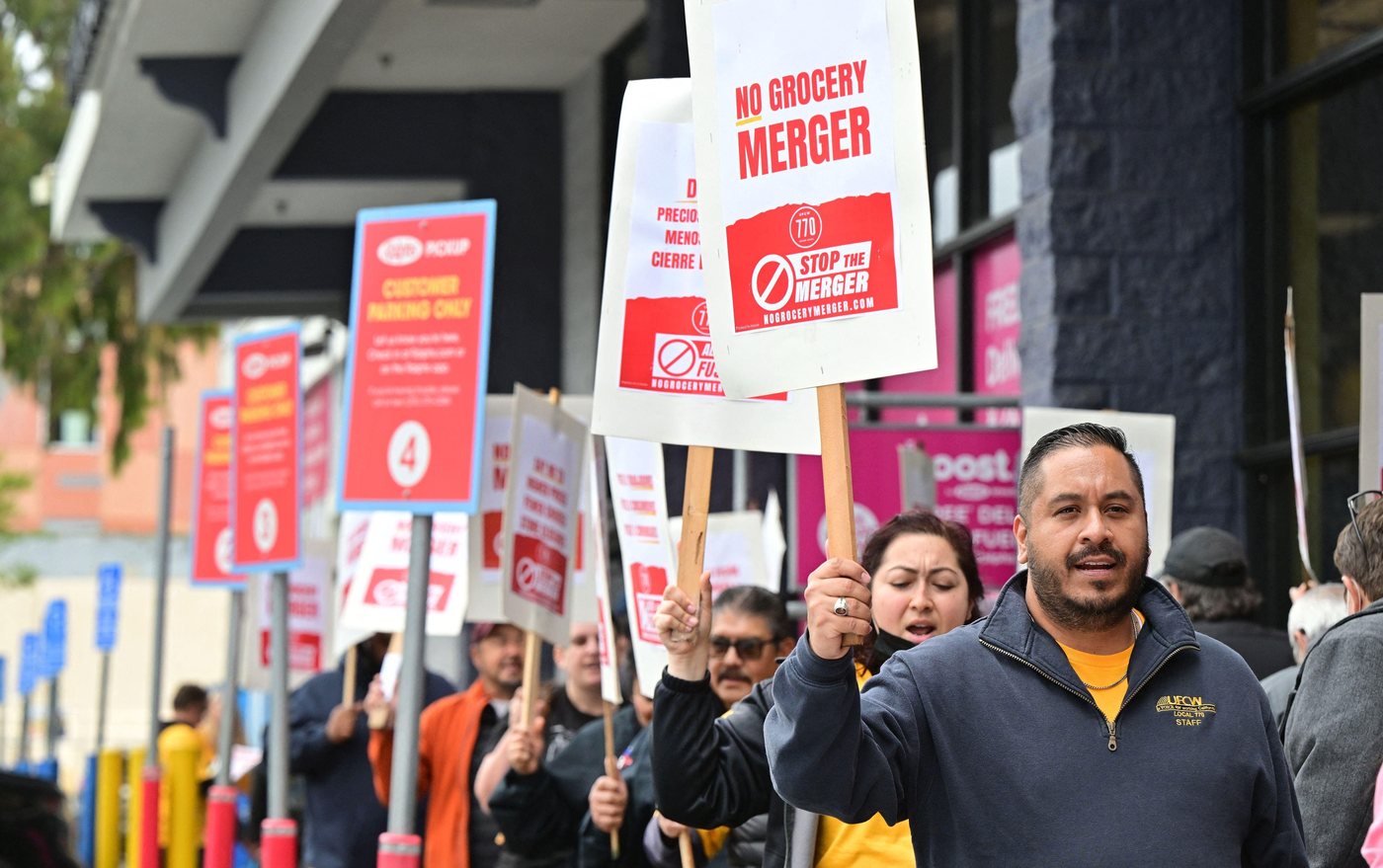
Albertsons is pursuing an $8bn claim against Kroger over the collapse of their proposed $24.6bn merger, turning the failed tie-up between two of America's largest supermarket groups into a multibillion-dollar courtroom battle. The claim marks the opening of a legal fight that is expected to run for years and could reshape how large corporate mergers are litigated in the United States.
The deal, announced in 2022, would have combined Kroger, the largest US grocery chain by revenue, with Albertsons, its closest national rival. The merger was blocked by regulators and subsequently abandoned, leaving the two companies to trade accusations over who was responsible for its failure. Albertsons argues that Kroger failed to take the steps necessary to secure approval, and is now seeking damages that would rank among the largest ever claimed in a failed merger dispute.
The case is significant beyond the two companies. It tests how far a party can be held liable when a deal collapses after regulatory intervention, and whether the standard merger agreement is sufficient to protect companies from the costs of a failed transaction. A ruling in Albertsons' favour could change the risk calculus for boards considering large acquisitions in concentrated industries, particularly in retail and consumer goods where antitrust scrutiny has intensified.
Kroger has disputed the basis of the claim. The company has previously said it worked in good faith to complete the merger and that it was prepared to defend its position. The dispute is likely to focus on the merger agreement's covenants, including obligations to divest stores and to litigate against regulatory challenges, and on whether Kroger's conduct met the standard required by the contract.
For the grocery sector, the collapse of the merger has left both companies to pursue standalone strategies in a market defined by thin margins, intense competition from discounters and changing consumer habits. Kroger has continued to invest in its stores, digital capabilities and alternative revenue streams, while Albertsons has faced pressure to demonstrate that it can grow without the scale the merger would have delivered.
The legal proceedings will also draw attention from investors and advisers who structure merger agreements. The size of the claim, and the prospect of a lengthy trial, may encourage companies to negotiate clearer termination provisions and to reassess the risks of pursuing deals that require regulatory approval in politically sensitive markets.
Neither company has indicated a willingness to settle. The case is expected to proceed through the US courts, with pre-trial motions and discovery likely to take considerable time before any trial date is set. For now, the $8bn claim stands as a marker of how costly a blocked merger can become, and as a warning to boards that the end of a deal is not always the end of the story.
8