Economy 4 min read By Arthur Ellington
Takaichi Bets on ¥370 Trillion Investment Drive as Japan Faces Economic Pressures
Japan's prime minister is targeting ¥370 trillion in public and private investment across AI, semiconductors, defence and energy, but a weak yen, rising living costs, a shrinking workforce and heavy government debt threaten the plan.
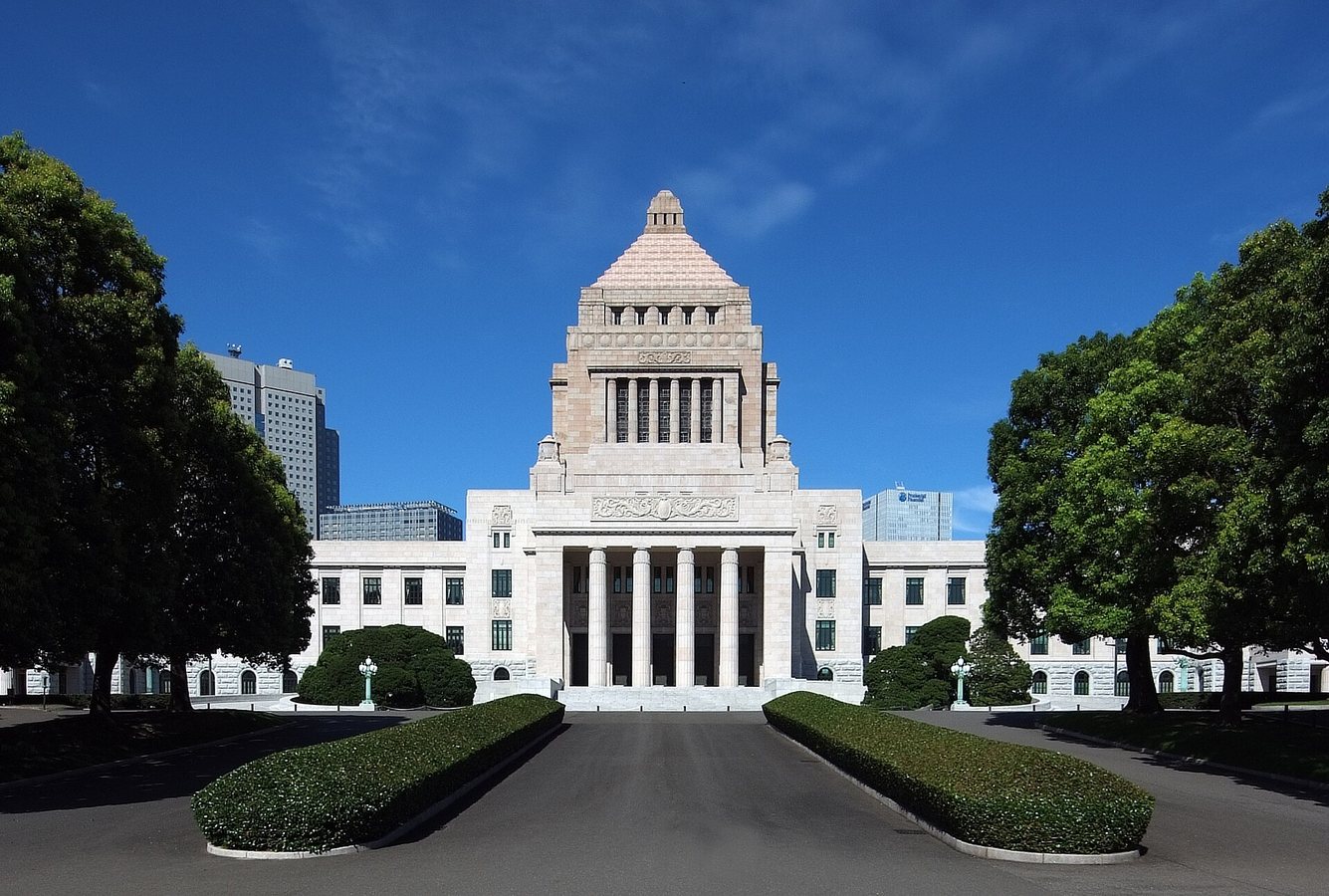
Japan's Prime Minister Sanae Takaichi is pursuing an investment-led revival of the world's fourth-largest economy, centred on a target of ¥370 trillion — roughly $2.3 trillion — in combined public and private spending across artificial intelligence, semiconductors, defence, energy, food technology and even manga.
The plan marks the defining economic project of Takaichi's first year in office, and she enters her second year under pressure to show it can deliver. Japan is grappling with a weak yen, rising living costs, a shrinking workforce and an enormous government debt burden, while relations with China have worsened and security challenges across Asia have prompted calls for higher defence spending.
The investment target spans sectors the government regards as strategically vital. Alongside AI and semiconductors, the programme reaches into quantum computing and drones, as well as energy and food technology. Defence is a central pillar, reflecting Takaichi's stated ambition to build a stronger, richer and more secure country as regional tensions mount.
The economic backdrop is difficult. A persistently weak yen has raised the cost of imports and fed through to household budgets, sharpening public anxiety about inflation. The government has already intervened in currency markets, confirming a three-day operation in the spring to support the yen. Takaichi has also called for a temporary cut in the sales tax on food to 1 per cent for two years, a measure aimed squarely at easing the squeeze on consumers.
Critics and analysts have questioned whether the prime minister's long-term vision can dispel inflation worries in the near term, with the risk that grand investment targets do little to address the immediate pressure on living standards. Japan's shrinking workforce adds a further constraint, limiting the labour available to staff new industries and sustain growth.
The fiscal position complicates matters further. With government debt already among the largest in the developed world, financing a large-scale public investment programme alongside higher defence outlays requires careful balancing. Takaichi has also signalled sweeping changes to immigration rules, a sensitive area in a country whose demographic decline has made labour shortages acute.
Her agenda extends beyond economics. Takaichi became Japan's first female leader, though her record on equality has drawn scrutiny, with commentators noting that progress on gender equality in Japanese public life remains limited. On foreign policy, her government is managing a deteriorating relationship with Beijing while maintaining close ties with Washington, a balance that shapes both defence planning and trade.
The investment strategy is intended to lift productivity and secure Japan's position in critical technologies, but its success depends on private capital following the government's lead. Executives will weigh the incentives against the costs of operating in a market with a weakening currency, an ageing population and uncertain demand at home.
For British and international investors, Japan remains a significant market for capital goods, semiconductors and financial services, and shifts in its fiscal and monetary stance carry weight well beyond Asia. The yen's trajectory and the scale of Japanese government borrowing are watched closely by global bond and currency markets.
As Takaichi begins her second year, the central question is whether a large, diversified investment push can generate durable growth fast enough to offset the pressures bearing down on households and the public finances. The answer will shape Japan's economic standing — and its role in a more contested Asia — for years to come.
6