Business 4 min read By Alice Ashford
Meta Creates Non-Voting Shares to Shield Zuckerberg From California Wealth Tax
Meta has introduced a new class of non-voting stock that would let Mark Zuckerberg sell shares to cover a potential multi-billion-dollar California wealth tax without losing his 61% voting control, while committing him to remain in the state for eight years.
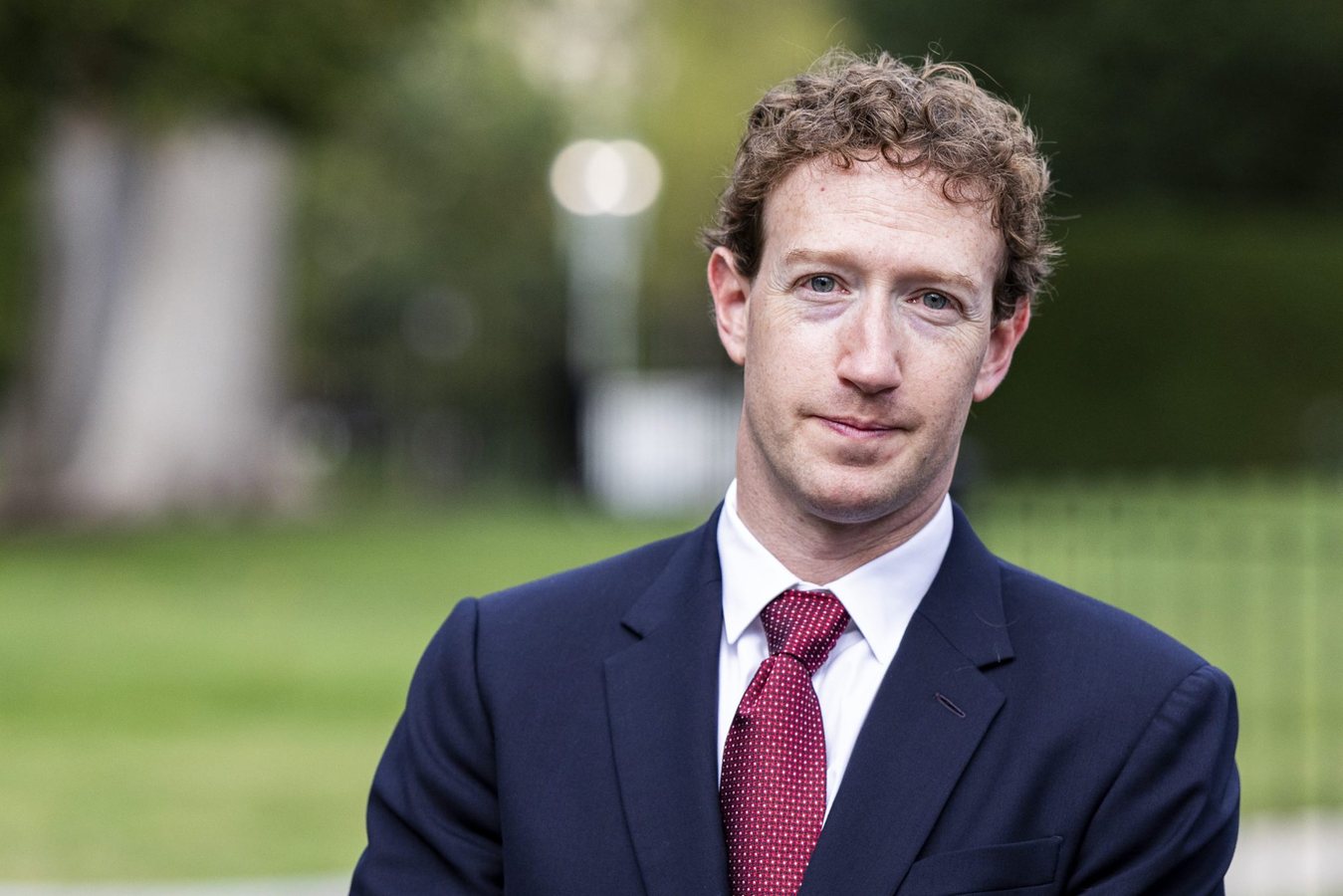
Meta has moved to protect Mark Zuckerberg's control of the company from a proposed California wealth tax, creating a new class of non-voting shares that would allow him to sell stock to pay a potential multi-billion-dollar bill without diluting his grip on the business.
The arrangement, disclosed in a regulatory filing, comes ahead of a November vote on a one-time 5% levy on the net worth of the state's billionaires. Zuckerberg owns roughly 13% of Meta's economic value but controls about 61% of its votes, because his Class B shares carry ten votes each while ordinary Class A shares carry one. A wealth tax would be levied on the first figure, forcing him to sell stock to pay it — and every Class B share sold converts into a single-vote Class A share, eroding his majority.
Under the deal agreed with a committee of independent directors, every shareholder will receive one non-voting Class C share for each share they hold. The committee said Zuckerberg could immediately sell 20% of his new shares, representing 10% of his overall economic stake, for any reason, including to pay his potential tax liability without affecting his majority voting control.
The filing states that Zuckerberg could become liable for a significant, multi-billion-dollar tax payment based on his ownership of company stock. Because he draws a $1 salary, the committee noted the tax would otherwise leave him effectively paying to serve as chief executive while residing in California.
The committee had initially proposed a dividend of new non-voting stock payable only if the ballot measure became law and a tax payment fell due. Zuckerberg sought a broader arrangement, telling the committee he did not wish to go through further protracted negotiations if similar taxes were proposed in other jurisdictions.
The board's concern was not only financial. Unlike several billionaires who have left California, Zuckerberg runs a company whose directors wanted him on site. The committee said it was crucial that he remain in close coordination with management and in close proximity to Meta Superintelligence Labs, and it was mindful of the difficulties the company faced during the pandemic when he could not be physically present with the management team.
Zuckerberg told the committee in early September that he would need to begin taking steps by mid-September to establish residency outside California by mid-October. The final agreement commits him to stay in California, or wherever Meta is headquartered, for eight years absent material unforeseen circumstances.
Meta said the new stock is principally about financing its artificial intelligence spending. The company said the class would give it the ability to fund growth and remain a leader amid fierce domestic and international competition, and would preserve the founder-led model that has driven its success. Chief financial officer Susan Li said the shares would expand Meta's funding tools and give it flexibility to invest behind the momentum it is seeing across the business, driven by AI.
The filing says management forecasts showed a need to raise hundreds of billions of dollars over several years beginning as early as autumn 2026, and acknowledges the new stock could substantially prolong the duration of Zuckerberg's voting control.
3