Economy 4 min read By Alice Ashford
Soaring Oil and Gas Prices Push Europe's Inflation Fight Into 2027
Europe's battle against inflation is set to extend into 2027 as rising oil and gas prices keep consumer costs elevated, complicating the European Central Bank's path to its 2% target.
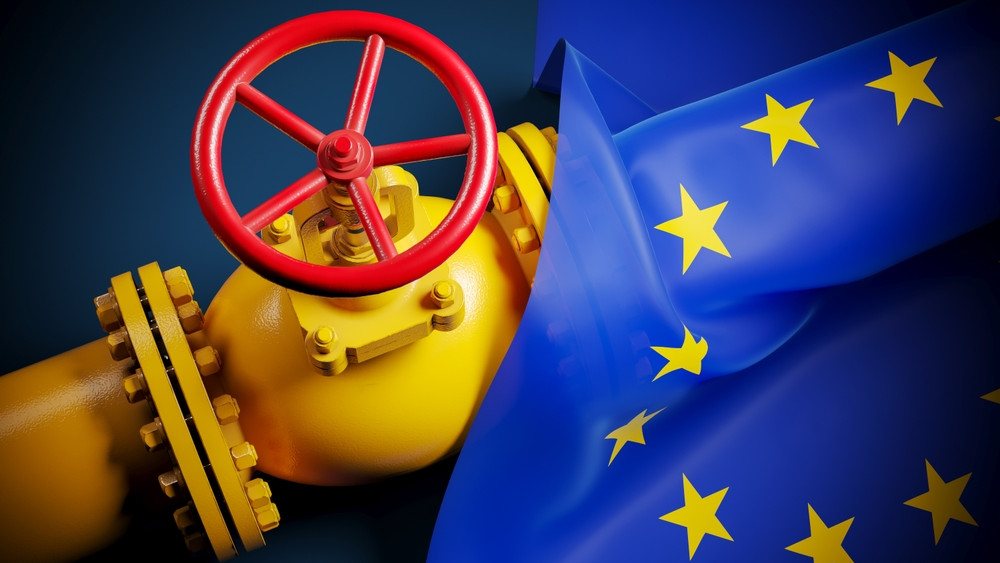
Europe's struggle to bring inflation back to target is set to drag into 2027, as soaring oil and gas prices threaten to keep consumer costs elevated well beyond initial forecasts. The persistence of high energy prices is complicating the European Central Bank's efforts to declare victory over the inflation surge that began in 2022.
Energy markets have tightened sharply, with crude oil and natural gas benchmarks climbing on supply concerns and resilient demand. For Europe, which imports the bulk of its energy, the pass-through to household bills and industrial costs is direct and rapid. That dynamic is now feeding into core inflation measures, which strip out volatile food and energy prices but still reflect the knock-on effects of higher input costs across the economy.
The European Central Bank has held interest rates at elevated levels in an effort to cool demand and anchor inflation expectations. But with energy prices rising again, policymakers face a difficult trade-off: cutting rates too soon risks entrenching inflation, while keeping borrowing costs high for longer could stifle the region's already fragile growth. The ECB's 2% inflation target, once expected to be within reach by 2025, now appears unlikely to be met on a sustained basis until 2027.
Households across the eurozone are already feeling the strain. Higher gas and electricity bills are eroding disposable incomes, particularly in countries that rely heavily on imported liquefied natural gas. Businesses, especially energy-intensive manufacturers, are warning of further cost increases that could feed through to consumer prices in the coming months. The risk of a wage-price spiral, while not yet evident, remains a concern for central bankers.
The energy crunch is not solely a European phenomenon. Global oil demand has remained stronger than expected, and supply disruptions in key producing regions have added upward pressure on prices. For Europe, the challenge is compounded by the loss of cheap Russian pipeline gas, which has forced a costly shift to seaborne imports and increased exposure to global market volatility.
Governments across the continent are under pressure to cushion the blow for vulnerable households. Several countries have extended energy support schemes, but fiscal space is limited after years of pandemic-era spending and rising debt burdens. The political consequences are also mounting, with cost-of-living concerns shaping voter sentiment in several member states.
Economists warn that the longer inflation stays above target, the greater the risk that expectations become unanchored. That would make the ECB's job even harder and could force a more aggressive policy response. For now, the central bank is signalling a data-dependent approach, but the upward trend in energy prices is narrowing its options.
The outlook for 2027 hinges largely on whether energy markets stabilise. If oil and gas prices remain elevated, Europe's inflation fight will continue to dominate the economic agenda, weighing on growth, investment, and public finances. The continent's ability to accelerate its transition to renewable energy and reduce import dependence will be critical to breaking the cycle.
6