
Economy 4 min read By Callum Montgomery
Oil Prices Edge Higher as Traders Weigh U.S.-Iran Talks and Saudi Supply Signals
Crude benchmarks ticked up as markets monitored diplomatic signals between Washington and Tehran and tracked Saudi export flows for clues on supply direction.
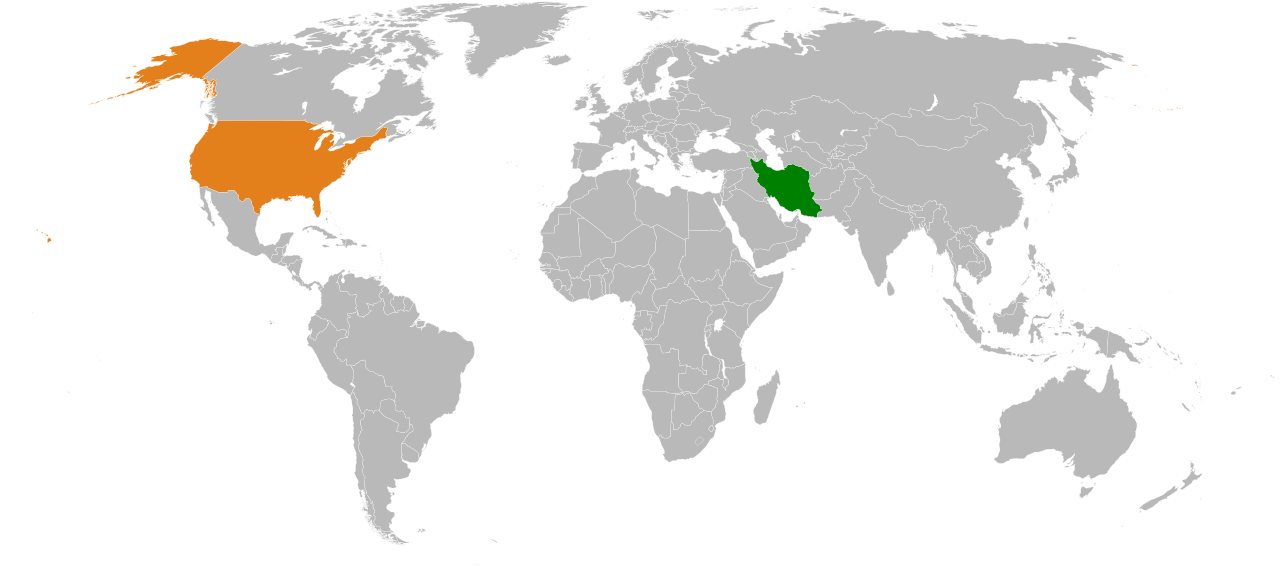
Oil prices moved modestly higher as traders balanced the prospect of renewed diplomatic engagement between the United States and Iran against shifting supply signals from Saudi Arabia, the world's largest crude exporter. The two forces have become the dominant short-term drivers for a market that has spent recent weeks searching for direction amid mixed economic data and geopolitical uncertainty.
Brent crude and West Texas Intermediate both recorded gains, though the moves remained contained as participants avoided taking large positions ahead of clearer indications from the talks. The potential for a diplomatic breakthrough between Washington and Tehran carries significant implications for global energy markets, given Iran's substantial oil reserves and its capacity to return barrels to international markets if sanctions are eased.
Any meaningful relaxation of restrictions on Iranian crude would add supply to a market that is already navigating questions about demand growth in major economies. Traders are therefore watching for signals from the negotiations that could point to either a near-term increase in exports or a continuation of the current constrained environment.
At the same time, market attention has focused on Saudi Arabia's export flows, which serve as a key indicator of the kingdom's production strategy. Saudi Arabia has historically used its spare production capacity to stabilise prices, and any change in its shipment volumes is read as a signal about its broader approach to balancing the market.
The combination of diplomatic developments and supply-side signals has created a cautious trading environment. Analysts note that oil prices remain sensitive to headlines from the negotiations, with each indication of progress or setback prompting rapid adjustments in positioning. The market's reaction function has become increasingly attuned to geopolitical cues rather than purely fundamental data.
Beyond the immediate focus on Iran and Saudi Arabia, broader factors continue to shape the outlook. Concerns about global economic growth, particularly in Europe and Asia, have tempered expectations for demand. Meanwhile, production decisions by other major exporters and the pace of inventory draws in key consuming nations remain important variables.
The oil market's current equilibrium reflects a balance between supply risks and demand uncertainties. On one side, geopolitical tensions in the Middle East and the potential for disruptions keep a floor under prices. On the other, sluggish economic indicators and the possibility of additional barrels entering the market cap upside momentum.
For British businesses and consumers, the trajectory of crude prices carries direct consequences. Energy costs feed into transport, manufacturing, and household bills, making oil a persistent factor in inflation calculations. The Bank of England and other central banks monitor energy prices closely as they assess the path of interest rates and broader price stability.
Market participants are expected to remain focused on any concrete outcomes from the U.S.-Iran discussions, as well as weekly data on Saudi production and exports. Until clearer direction emerges, oil prices are likely to continue trading in a narrow range, with sentiment swinging on each new piece of information.
The coming days could prove decisive. If diplomatic talks yield tangible progress, the prospect of additional Iranian supply may weigh on prices. If instead the negotiations stall or Saudi Arabia signals a tightening of exports, the market could find renewed support. For now, traders are content to watch and wait, keeping positions light and reacting to developments as they unfold.
4