Economy 5 min read By Bethany Hadley
Fed's Musalem Signals Further Rate Hikes to Curb Inflation
Federal Reserve Bank of St. Louis President Alberto Musalem has said additional interest rate increases are likely needed to bring inflation back to the central bank's 2% target, warning that price pressures remain too persistent.
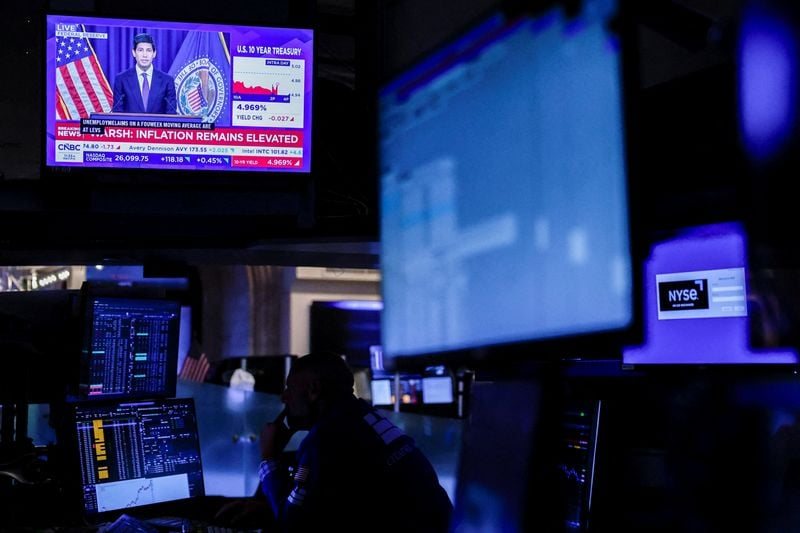
Federal Reserve Bank of St. Louis President Alberto Musalem has said the US central bank will probably need to raise interest rates further to bring inflation back to its 2% target, adding weight to the argument that the Federal Reserve's tightening cycle is not yet over.
In an exclusive interview, Musalem indicated that while progress has been made on bringing down price growth, the pace of disinflation has been slower than policymakers would like. He pointed to resilient consumer demand and a still-tight labour market as factors that could keep inflation above target for longer than expected.
His comments suggest the Federal Open Market Committee may need to tighten monetary policy beyond its current level, even as some investors had begun to price in rate cuts. The remarks are likely to be closely watched by financial markets, which have been sensitive to any signal about the future path of borrowing costs.
Musalem's stance places him among the more hawkish voices at the Fed, though he has also stressed that policy decisions will remain data-dependent. He said the central bank must be careful not to declare victory prematurely, warning that a premature easing of policy could allow inflation to become entrenched.
The Fed has held rates steady in recent months after a series of increases that took the benchmark federal funds rate to its highest level in more than two decades. Officials have repeatedly said they need to see more evidence that inflation is on a sustainable downward path before considering any reduction in rates.
Inflation in the United States has fallen from its peak but remains above the Fed's 2% goal. Core price measures, which strip out volatile food and energy costs, have proven particularly sticky, driven by services costs and housing. That persistence has complicated the Fed's task of balancing the risk of overtightening against the risk of allowing inflation to linger.
Musalem's remarks come as markets debate whether the Fed's next move will be a hike or a cut. Some economists argue that the full effect of past rate increases has yet to feed through to the economy, and that further tightening could tip the US into recession. Others contend that with growth still solid, the Fed has room to keep rates higher for longer.
The St. Louis Fed president also noted that financial conditions have not tightened as much as might have been expected given the scale of rate increases, which could mean less downward pressure on inflation. That, he suggested, is another reason why additional hikes may be necessary.
His comments are likely to reinforce expectations that the Fed will keep its options open at upcoming meetings. Policymakers have consistently said they will assess incoming data on inflation, employment and growth before making decisions.
For businesses and households, the prospect of further rate increases means borrowing costs could remain elevated for some time. Mortgage rates, credit card interest and corporate borrowing costs have all risen sharply over the past two years, and any further tightening would add to those pressures.
The dollar has tended to strengthen when US rates rise, which can weigh on exporters and emerging markets. Global investors will be watching the Fed's next steps closely, as US monetary policy remains a key driver of international capital flows.
Musalem did not specify the size or timing of any potential increase, saying only that the Fed would proceed carefully. He reiterated that the central bank remains committed to returning inflation to its target and preserving the credibility of its inflation-fighting framework.
His comments underline the uncertainty that still surrounds the US economic outlook. While inflation has cooled, it has not yet been defeated, and the Fed appears prepared to act again if the data warrant it.
6