Economy 3 min read By Arthur Ellington
Romanian Firms Keep Hiring Sales and Customer Service Staff Despite Slowdown
The labour market in Romania is contracting, but certain departments remain understaffed, especially sales, customer relations, administration and accounting.
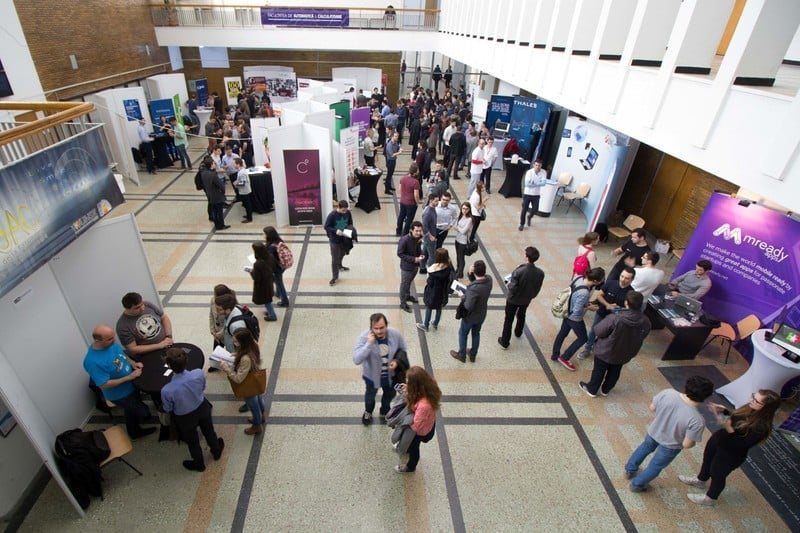
Companies in Romania continue to report high staffing needs in sales, customer relations, administration and logistics, as well as in finance and accounting, even though the labour market has entered a period of contraction. Data from a recruitment platform, cited by Agerpres, shows that these departments are the ones where employers are most actively seeking new staff, with the analysis covering the first three quarters of the year.
The contraction of the labour market over the past year has not affected all industries and all departments uniformly. There are still areas facing staff shortages or affected by a high rate of turnover, which means firms continue to recruit even in a more cautious hiring environment. For candidates, this can open up concrete opportunities in certain fields, while other sectors have become harder to enter.
According to the same analysis, a sales specialist can expect an average salary of about 4,500 lei per month. The figure gives an overview of the pay level for one of the most sought-after positions at present, but it does not reflect differences that may arise between companies, regions or types of contracts. Sales departments thus remain among the most visible in job advertisements, while customer relations complete the same trend in demand.
The analysis also includes the administrative and logistics department, as well as the financial and accounting department, which appear among those with constant staffing needs. For companies, a lack of workforce in these roles can slow down daily processes, from invoicing and reporting to procurement and distribution, which keeps recruitment a priority even during periods of economic slowdown.
In parallel, the energy market is a factor influencing companies' costs and decisions. European spot price monitoring platforms show that Romania has once again reached the top of the European Union's negative ranking, with an electricity price of 323 euro/MWh on the spot market, the same as in Hungary. In the evening, the price even reached 500 euro/MWh, the highest level in the bloc, according to data cited by the economic publication Economedia. For energy-intensive companies, such levels can affect margins and expansion plans, including those related to the workforce.
The combination of energy cost pressure and the need for staff in key departments shows an economy in which companies must balance their budgets against operational needs. For now, the available data indicates that recruitment in sales, services, administration and accounting is continuing, while labour demand remains uneven across industries.
5