Economy 3 min read By Callum Montgomery
Roman emperors cut silver in coins decades before Marcus Aurelius
Scientific analysis of Roman coins shows the silver content of the denarius began falling under Nero, long before the reign of Marcus Aurelius, as the empire's wars and spending grew.
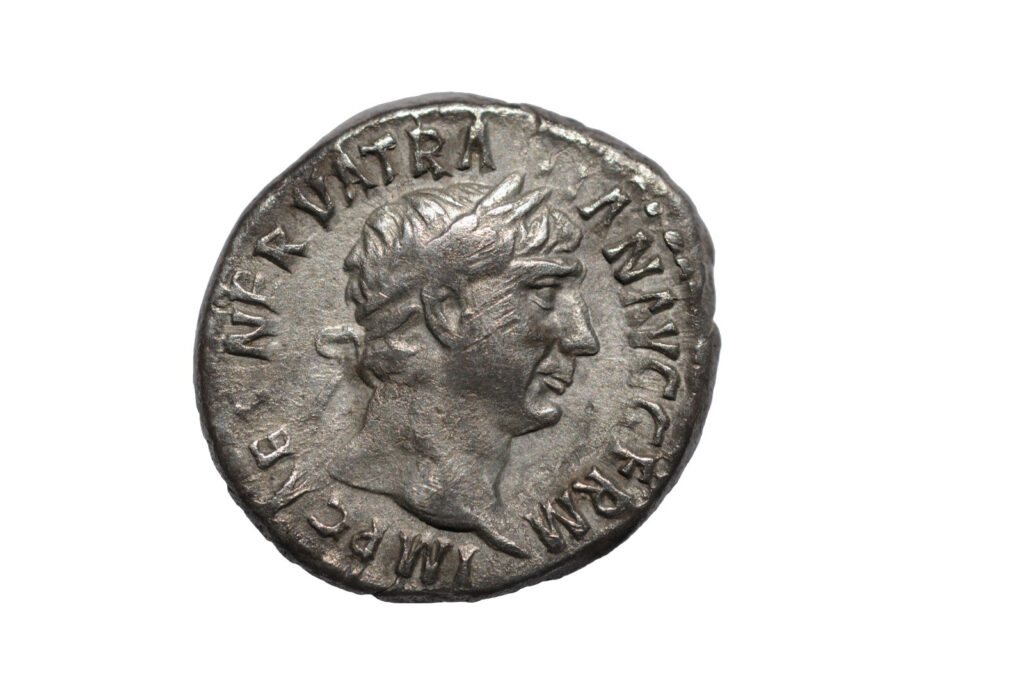
The silver content of Roman coinage began to fall long before the reign of Marcus Aurelius, according to recent scientific studies of surviving coins. Analyses using X-ray fluorescence, electron microscopy and spectrometry suggest that the reduction in the silver used in the denarius started under Nero, and that the practice spread across the imperial period.
The denarius was the central currency of the Roman economy during the years Marcus Aurelius ruled the empire, from 161 to 180 AD. The monetary system also included the aureus, which was worth 25 denarii, the sestertius, worth four denarii, and the as. Coins carried the emperor's portrait and political messages, and the state's ability to mint them depended on the metal it held.
Historians link the pressure on coinage to the heavy demands of the period. The war with the Parthians between 161 and 166 and the defence of the Danube frontier consumed large sums, while the Antonine plague weighed on society and the economy. Stretching a fixed reserve of silver across more coins allowed the state to meet these costs, though it carried the risk of eroding public confidence in the currency and disrupting trade.
The scientific picture is more detailed than the popular story suggests. A 2023 study published in Internet Archaeology by Wood, Ponting and Butcher found that Republican denarii contained more than 95 per cent silver. That study covers coins up to around 100 AD, not the reign of Marcus Aurelius. Under Augustus, the purity of the denarius reached roughly 95 to 98 per cent, while in the Antonine period purity was generally lower, although no single figure applies to every coin struck between 161 and 180.
A 2022 study in the journal Molecules analysed 160 coins, including three denarii of Marcus Aurelius. Researchers caution that a sample of three is too small to produce a reliable average. The most severe debasement of the coinage took place in the third century, not in the time of Marcus Aurelius, and scholars note that it is not proven that each change in the currency was caused by a specific war.
Lower silver content does not automatically mean inflation. Assessing that link would require data on prices and wages, and ancient sources do not allow precise comparisons of prices across the period. Many coins from these eras survive because they were hidden in the ground during times of insecurity, and many of those hoards were never recovered, which limits what can be known from the find record.
Source: economedia.ro
7