Business 3 min read By Alice Ashford
Nvidia Founder Jensen Huang Resigns as CEO and Board Member
Nvidia founder Jensen Huang has stepped down as head of the company and from its board of directors, and his fortune fell by about $10 billion in a single day.
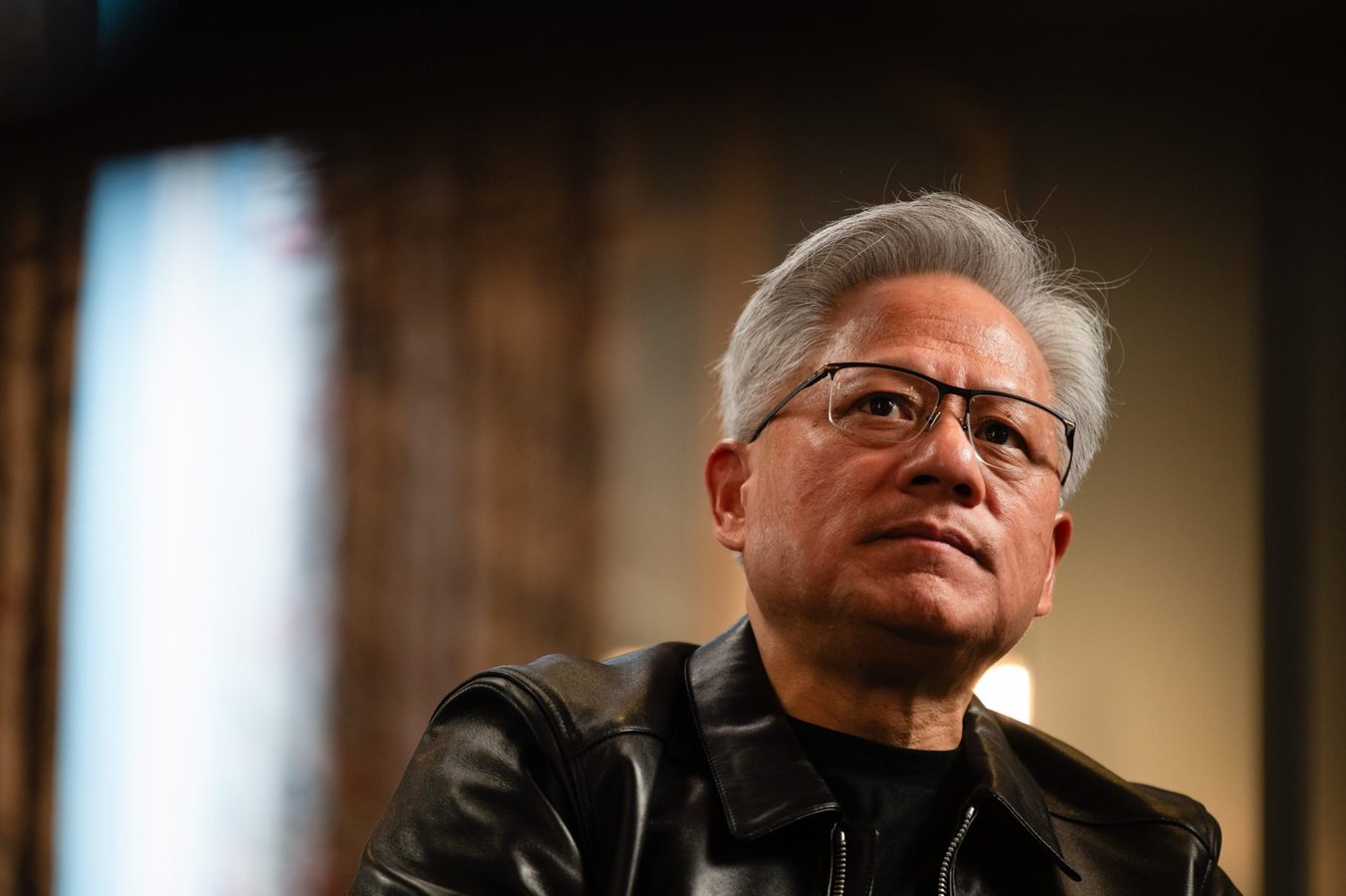
Jensen Huang, founder and CEO of Nvidia, resigned as head of the company and as a member of the board of directors on November 12, 2026. Colette Kress, who previously served as chief financial officer and vice president, has been appointed interim CEO. Harvey Jones became the first chairman of Nvidia's board of directors. The decision followed a series of public scandals that sharply hit the company's shares and Huang's personal fortune.
According to Forbes estimates, Huang's net worth fell by about $9.9 billion to roughly $145 billion. As a result, he dropped to 13th place among the world's richest people and ended up below the Walton family heirs. The bulk of his wealth is tied to Nvidia shares: according to a September report, Huang owns about 3.5 percent of the company, and this stake makes up most of his fortune.
Nvidia shares fell about 4.3 percent on Monday, to $178.67, with an intraday drop reaching 9 percent. Over the week, the stock lost more than 11 percent. On Thursday before the opening of trading, it fell a further 7 to 13 percent, and the company's market capitalization dropped below $4 trillion. Reports said Nvidia's market capitalization decreased by roughly $1 trillion over November as a whole.
The scandal was triggered by Huang's admission on Sunday that he had been unfaithful to his wife. Reportedly, the relationship was with Alice Huang, head of Megaspeed. Megaspeed is a Singapore-based company that operates data centers and purchases Nvidia chips. Senior U.S. intelligence officials reportedly suspect Alice Huang of spying for China. In addition, The New York Times reported a second affair by Huang, this time with Kimberly Powell, vice president for healthcare.
Nvidia's board of directors launched an independent investigation into claims that foreign intelligence services may have carried out targeted efforts against the company. The board said it found no evidence that national security or trade secrets had been compromised. On Wednesday, the board met to discuss possibly removing Huang from leadership, and his resignation followed.
A federal class-action lawsuit against Nvidia and Huang has also been filed, prepared by the law firm Rosen Law. It alleges that the company failed to disclose information about Huang's ties to the alleged spy, which, according to the plaintiffs, misled investors. Nvidia's next earnings report is due on Tuesday, and the market will be closely examining it against the backdrop of the leadership change and legal risks.
As Fortune notes, the personal wealth of founders of major technology companies often changes sharply along with their companies' share prices. Huang's case clearly illustrates this: individual news about his personal life and the investigation led to a rapid fall in the company's shares, and his wealth fell with them.
Source: fortune.com
4