Economy 5 min read By Callum Montgomery
Reinsurance quietly underpins America’s record construction boom
Construction spending in the United States is on pace to reach about $2.2 trillion this year, even as natural catastrophes cause growing insured losses. Reinsurance, a largely unseen layer of finance, helps make that investment possible by spreading risk.
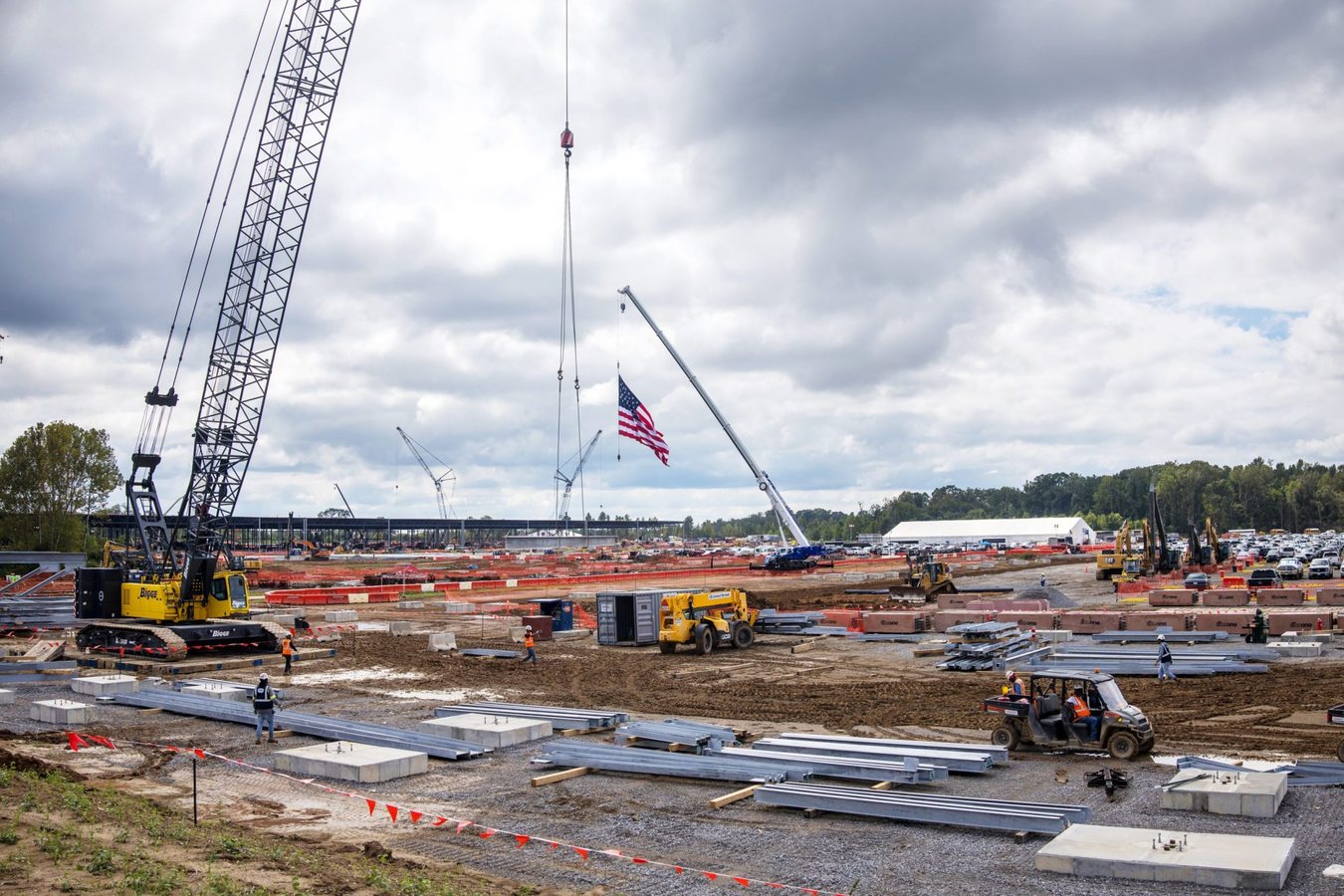
America’s construction boom is being sustained by a financial mechanism few people see: reinsurance, the insurance that insurers buy to protect themselves against large losses. Across the country, new factories, semiconductor plants and large AI data centres are reshaping the landscape, with more than 1,500 data centres under development nationwide. Construction spending has risen to nearly two and a half times its level of five years ago, and the United States is on course to spend roughly $2.2 trillion on construction this year, a sum close to the GDP of Canada.
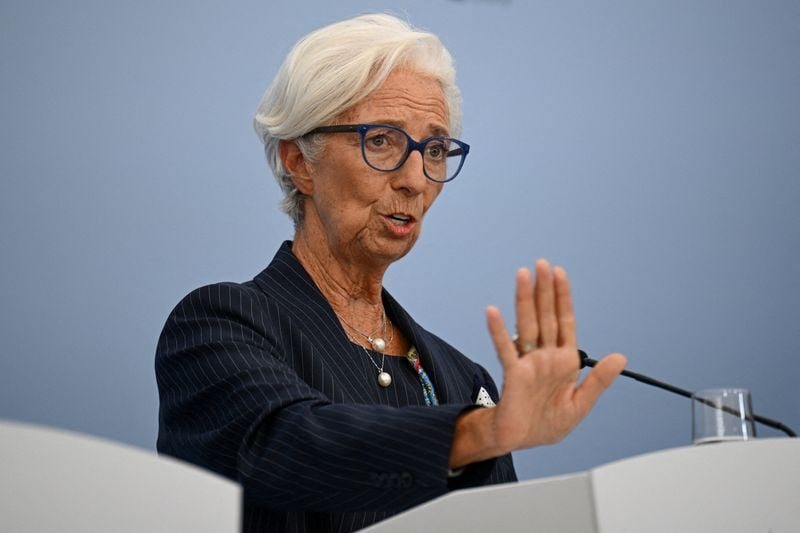
The building surge is taking place at a time when the risks of building are growing. In each of the past six years, natural catastrophes such as wildfires, hurricanes and floods have caused at least $100 billion in insured losses worldwide, and the United States often bears the largest share. Despite this, investment continues. The argument put forward by Christian Mumenthaler, chief executive of Swiss Re, a Swiss reinsurer with substantial business in the United States, is that much of the explanation lies in financial infrastructure that manages risk and keeps capital flowing.
That infrastructure operates largely out of public view, which means its role in economic growth is rarely recognised by policymakers or the public. Many Americans regard the expanding role of financial services with suspicion, a view shaped by the 2008 financial crisis. Mumenthaler argues that failures in finance are memorable precisely because they are rare, while the countless projects and transactions that proceed smoothly each day attract little attention.
Reinsurance is one example of that unseen success. To illustrate how it works, Mumenthaler offers a hypothetical case. A developer wants to build an apartment complex in a region exposed to hurricanes and needs insurance. The insurer must set aside significant capital in case a major storm strikes, which limits its capacity to cover other projects. By transferring part of its risk to a reinsurer, the insurer caps the amount it would have to pay after a major disaster and frees resources for other policies. In this sense, reinsurance acts as a shock absorber, allowing insurers to offer coverage at viable prices and giving investors the confidence to commit capital.
The model also spreads losses across borders. Mumenthaler notes that when reinsurers such as Swiss Re underwrite risk in the United States, capital from abroad helps support American investment and growth. He points to history as evidence of the role played by international capital: after Hurricane Katrina, international insurers and reinsurers covered more than half the damage, and after the September 11 attacks they covered 64 per cent. He also cites the 1906 San Francisco earthquake, after which insurers paid more than 100,000 claims, wiping out almost half a century of profits in the American insurance market.
The need for such protection is growing. Economic growth is concentrating more people and assets in high-risk areas, including coastal regions prone to hurricanes and flooding, while increasingly severe weather patterns are raising the threat of natural disasters. Mumenthaler argues that the value of reinsurance extends well beyond disaster cover. It allows businesses to hire new workers while managing risks such as workplace injuries and liability claims, and it enables companies to deploy new technologies at scale despite the threat of system failures or cyberattacks. Even rocket launches, he notes, are routinely insured and reinsured before leaving the ground.
Mumenthaler is careful to describe reinsurance as only one part of the answer. As underlying risks increase, he contends, a broader approach is needed, including proactive investment in stronger infrastructure, a focus on mitigation and adaptation, public-private partnerships, and complementary tools such as catastrophe bonds, which transfer risk to outside investors. He concludes that as American companies build more housing, expand energy infrastructure and invest in advanced manufacturing, they will rely on reinsurers to protect those investments, and that this function deserves greater recognition from policymakers and the public.
7