
Economy 3 min read By Alice Ashford
Oil prices fall to 11-day low as US-Iran diplomacy hopes and Saudi export plans ease supply fears
Crude prices dropped to their lowest level in 11 days as expectations of renewed US-Iran diplomatic engagement and increased Saudi Arabian exports reduced concerns over Middle East supply disruptions.
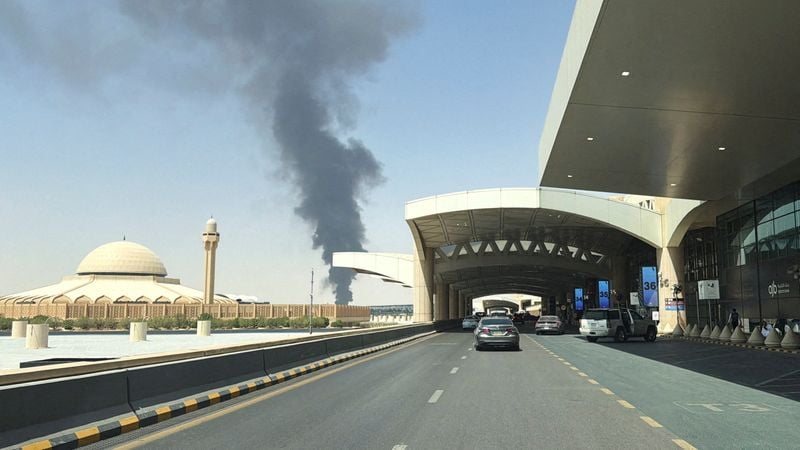
Oil prices have fallen to an 11-day low, driven by growing optimism over diplomatic engagement between the United States and Iran and signals that Saudi Arabia plans to raise crude exports. The decline marks a sharp reversal from recent gains that followed a missile attack on Saudi Arabia's capital, Riyadh.
Brent crude, the international benchmark, and West Texas Intermediate both retreated as traders priced in the possibility of additional Iranian barrels returning to global markets. Any easing of US sanctions on Iranian oil would add supply at a time when demand growth remains uncertain, particularly in Europe and China.
The diplomatic opening between Washington and Tehran has been building for weeks, with indirect talks reportedly making progress on a range of issues. While no formal agreement has been announced, the mere prospect of a nuclear deal or a broader de-escalation has been enough to cool the risk premium that had built up in oil markets.
Saudi Arabia, the world's largest oil exporter, has also indicated it will boost shipments in the coming months. The kingdom's decision to raise exports comes despite the recent Houthi missile attack on Riyadh, which had briefly raised fears of a wider regional conflict. Analysts said the market is now focusing more on fundamentals than on geopolitical risk.
«The market is recalibrating its expectations,» said one energy analyst. «The combination of potential Iranian supply and Saudi export growth is outweighing the immediate threat of supply disruptions.»
The price slide also reflects broader concerns about the global economy. Slower growth in China, the world's second-largest oil consumer, and the ongoing energy crisis in Europe have dampened demand forecasts. The International Energy Agency recently trimmed its outlook for 2023, citing weaker industrial activity.
For UK businesses, lower oil prices could provide some relief on input costs, particularly for manufacturers and transport firms that have been squeezed by high energy bills. However, the pound's weakness against the dollar means the benefit may be partially offset for importers.
Investors are now watching for further signals from the US and Iran. Any formal resumption of talks or a sanctions waiver would likely accelerate the sell-off. Conversely, a breakdown in diplomacy or a new attack on Saudi infrastructure could quickly reverse the trend.
The oil market remains volatile, with traders balancing the possibility of additional supply against the risk of sudden disruptions. For now, the mood is bearish, but few are willing to rule out another spike if tensions flare again.
8