Politics 4 min read By Callum Montgomery
US midterms become a stress test for media and money
In-person voting has begun ahead of the 3 November midterms, with President Trump banning three outlets from the White House and billions in political spending reshaping how voters receive information.
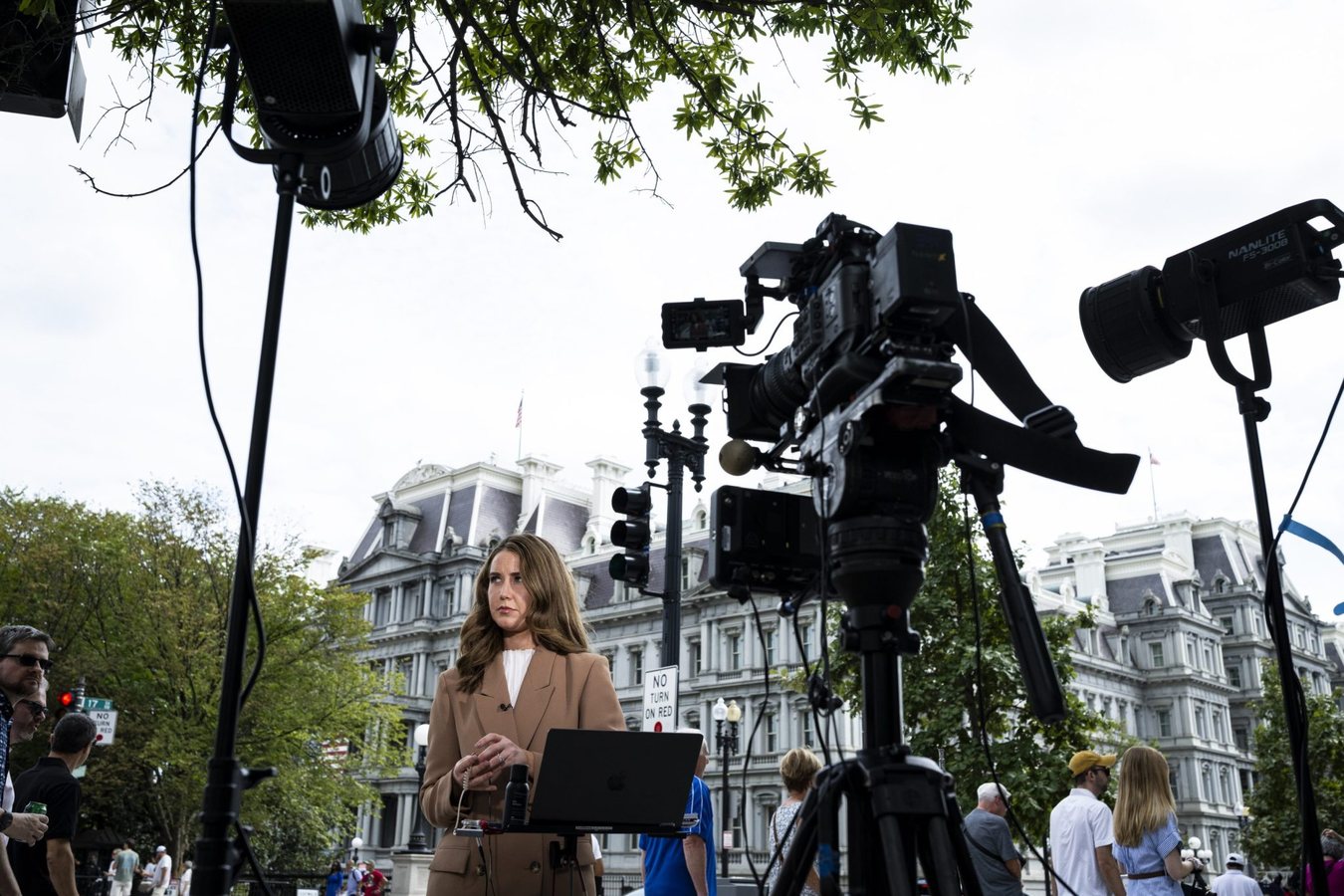
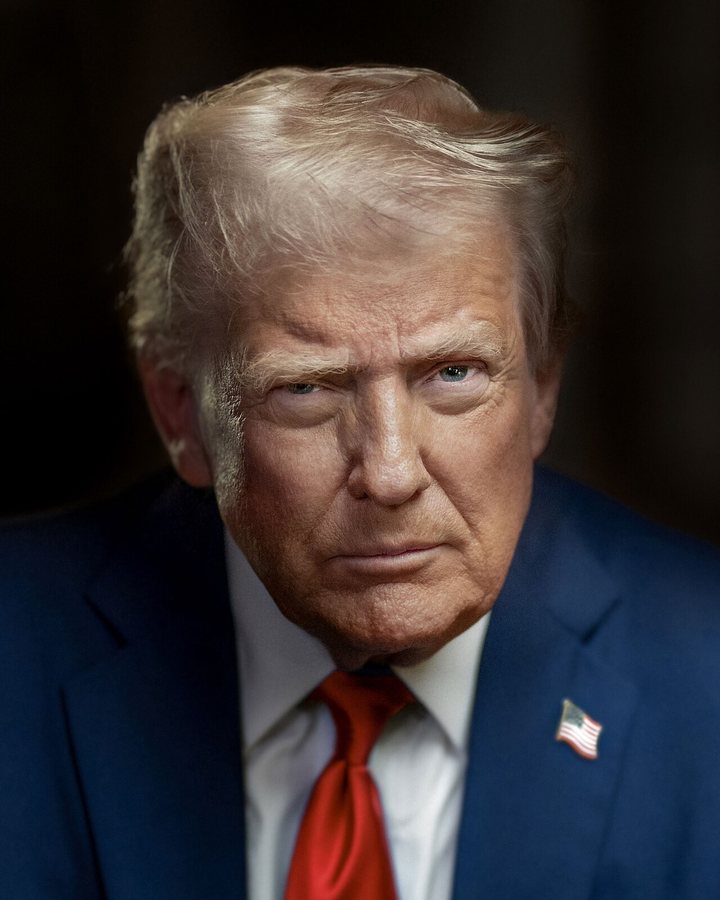
In-person voting has begun across the United States ahead of the 3 November midterm elections, with the contest already testing the country's media and political finance systems. President Donald Trump announced on the same day that voting opened that CNN, MS NOW and Politico would be banned from the White House, with journalists from those outlets denied entry and having their credentials deactivated the following day.
The ban is the latest in a series of measures against independent journalism over the past two years. Trump has filed lawsuits and claims demanding more than $70 billion since declaring his candidacy in November 2022, much of it aimed at media companies already under pressure from artificial intelligence and disinformation. He has also been sued over selling early access to his Truth Social posts for as much as $100,000 a month.
The quality of information reaching voters matters because it shapes how they judge government leadership. One example: Trump has traded more stocks since returning to office than every member of Congress combined, making 28,700 trades in 17 months, or roughly 80 trades every market day. That analysis came from Bloomberg, not the White House. Trump also made more money last year as president than he ever did as a chief executive.
Scandals have touched both parties. A Politico report on sexual assault allegations forced Democrat Graham Platner to withdraw from the US Senate race in Maine. The episode illustrates how reporting can still alter electoral outcomes even as the president moves to restrict access to certain outlets.
Money is the second force colouring the midterms. The Supreme Court's 2010 Citizens United v. FEC ruling lifted caps on independent political spending by corporations, unions and individuals, enabling wealthy donors to pour billions into advertising and shape the narrative. Elon Musk donated more than $291 million to Republican candidates, political action committees and other outside spending groups during the 2024 election, according to OpenSecrets.
Not every billionaire channels wealth into electoral influence. Former Microsoft chief executive and Los Angeles Clippers owner Steve Ballmer has spent more than $100 million building and funding USAFacts, a nonpartisan, nonprofit initiative to combat political disinformation. He launched a «Just the Facts» video series in August 2024, shortly after Meta shut down its CrowdTangle tool for tracking misinformation, with the stated goal of helping journalists and getting people educated.
Ballmer is now in the news for other reasons. The NBA suspended him for a year and severely penalised the Clippers for circumventing salary-cap rules, a story uncovered by independent journalist Pablo Torre, who won a Pulitzer Prize for the work. The case reinforced the importance of holding corporate leaders and politicians to account both when they do good and when they fall short.
Trump is not the first leader to demand deference and attack journalists as corrupt «enemies of the people» for doing their job. Reporters have lived and worked in many places where accurate stories can land journalists in jail. For a media industry already battered by forces in Washington and beyond, the 2026 midterms could prove to be a stress test of what kind of system Americans are now willing to accept.
10