
Economy 4 min read By Alice Ashford
Gold Prices Flat as Traders Weigh US-China Talks and Iran Conflict
Gold prices held steady on Monday as investors monitored trade negotiations between the United States and China and escalating tensions involving Iran, with the metal caught between safe-haven demand and a firmer dollar.
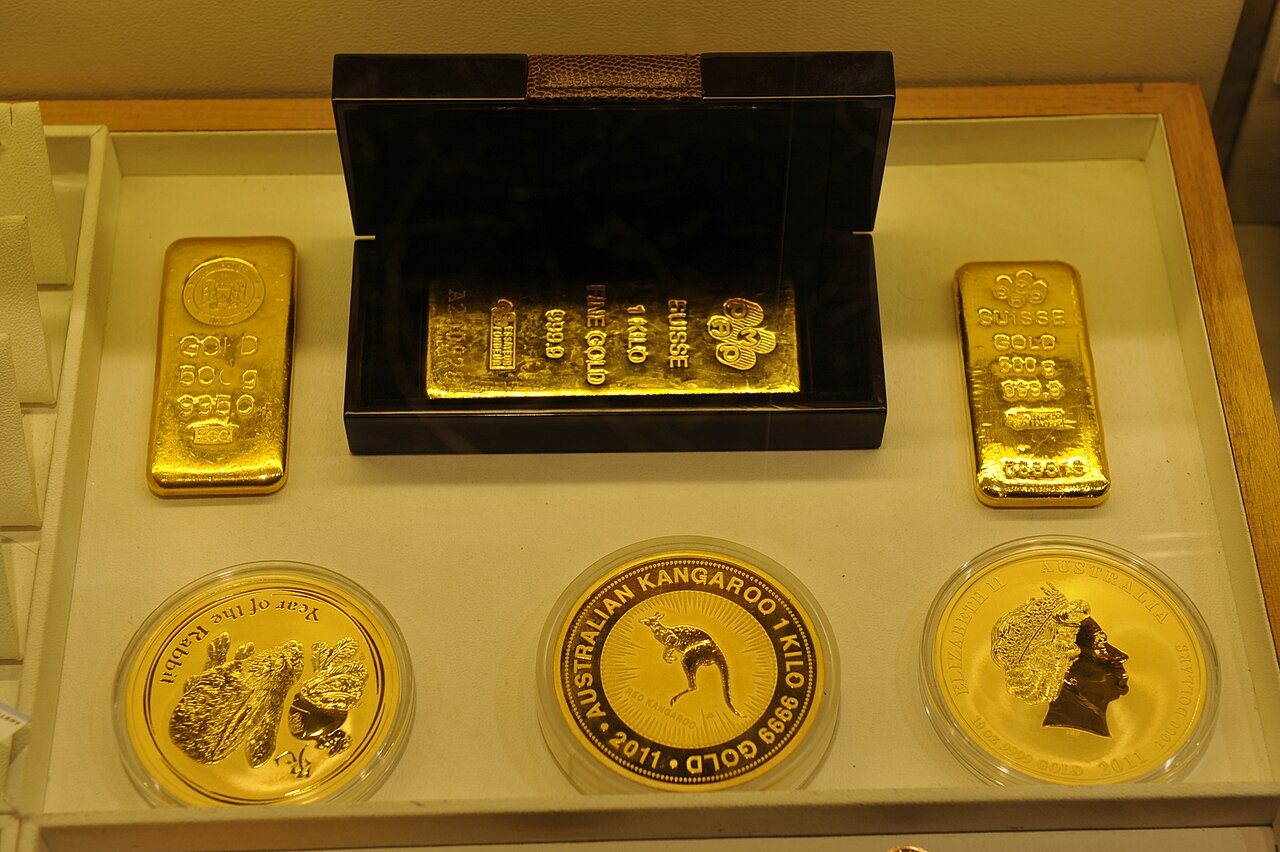
Gold prices were little changed on Monday as investors weighed the outcome of trade talks between the United States and China against rising geopolitical tensions involving Iran, leaving the metal searching for direction after recent volatility.
Spot gold traded nearly flat, hovering around the previous session's closing level, while US gold futures also held steady. The muted price action reflected a market caught between competing forces: safe-haven demand driven by Middle East tensions and a firmer US dollar that makes bullion more expensive for holders of other currencies.
Investors were focused on the latest round of negotiations between Washington and Beijing, which resumed after a period of heightened tariff threats. Any signs of a breakthrough could lift risk appetite and weigh on gold, while a breakdown in talks would likely revive demand for the metal as a protective asset. The talks have been closely watched by commodity markets because a resolution would reduce the uncertainty that has supported gold prices for months.
At the same time, the conflict involving Iran has added a layer of geopolitical risk. Recent military exchanges in the region have raised concerns about disruptions to oil supplies and broader instability, pushing some investors toward gold. However, the metal has not broken out of its recent range, suggesting that markets are not yet pricing in a severe escalation.
Analysts noted that gold's reaction has been restrained because the dollar has remained resilient. A stronger greenback typically pressures dollar-denominated commodities by making them more costly for overseas buyers. The dollar has been supported by expectations that the US Federal Reserve will keep interest rates higher for longer, a stance that raises the opportunity cost of holding non-yielding assets like gold.
«Gold is being pulled in two directions,» said one market strategist. «Safe-haven flows from the Iran situation are offsetting the headwind from a stronger dollar and the possibility of a trade deal.»
Market participants are also monitoring upcoming economic data for clues about the Fed's next move. Inflation readings and employment figures could shift expectations for rate cuts, which would influence gold's appeal. Lower rates tend to benefit gold by reducing the cost of holding the metal relative to interest-bearing assets.
In the physical market, demand from major consumers in Asia has been steady but unspectacular. Jewellery buying in India and China, the world's largest gold consumers, has not shown a significant pickup, according to trade sources. Central bank purchases, which provided strong support to prices last year, have continued but at a slower pace.
Looking ahead, traders said gold is likely to remain range-bound until there is clearer direction from either the trade talks or the geopolitical situation. A resolution to the US-China dispute could trigger a short-term sell-off, while a deterioration in the Middle East would likely push prices higher.
Other precious metals were mixed. Silver edged lower, while platinum and palladium traded in narrow ranges. The broader commodity complex was also subdued, with oil prices fluctuating as traders assessed supply risks from the Iran conflict.
For now, gold investors appear content to wait and see, with the metal's dual role as a hedge against both economic and geopolitical uncertainty keeping it supported but not surging. The next few sessions could prove decisive if either of the two dominant storylines develops further.