Politics 5 min read By Alice Ashford
TV Networks Boycott Trump Helipad Event After CNN Ban
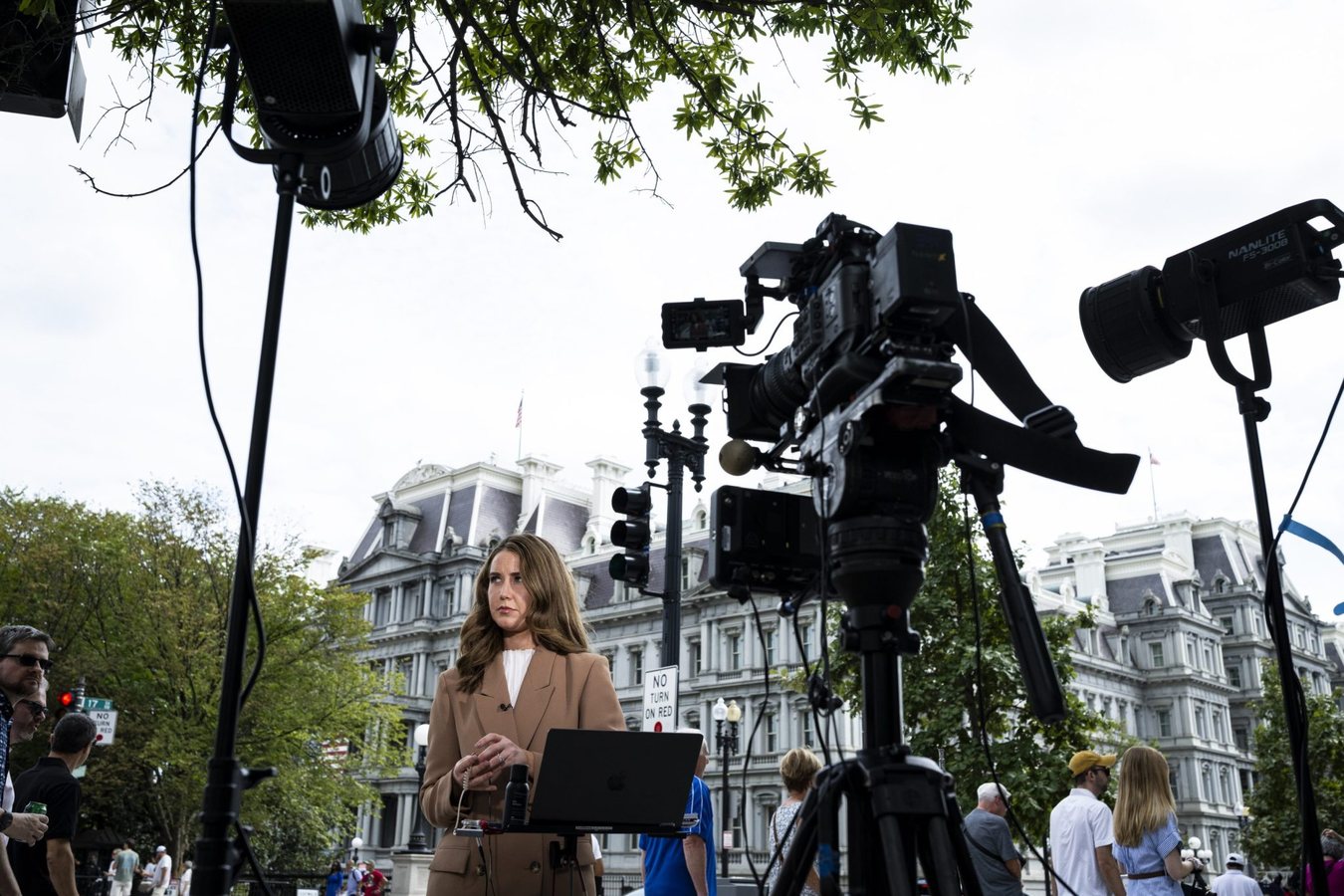
Major US television networks refused to cover President Donald Trump's helipad unveiling on Monday in protest at CNN being barred from the White House press pool, escalating a First Amendment dispute that has overshadowed Xi Jinping's state visit.
Four major US television networks kept their cameras away from the White House on Monday as President Donald Trump unveiled a new helicopter landing pad, in a coordinated protest against CNN being excluded from the presidential press pool. ABC, CBS, NBC and Fox News all declined to provide pooled coverage of the event after CNN was blocked from taking its assigned turn in the five-network rotation that supplies daily footage of presidential appearances.
The dispute marks an extraordinary break between the White House and the broadcasters that normally document the president's public schedule. CNN, along with MS Now and Politico, has filed a lawsuit after the Trump administration announced on Friday that the outlets would be barred from covering the White House, a move that critics describe as an escalation of long-running efforts to restrict coverage the president finds objectionable.
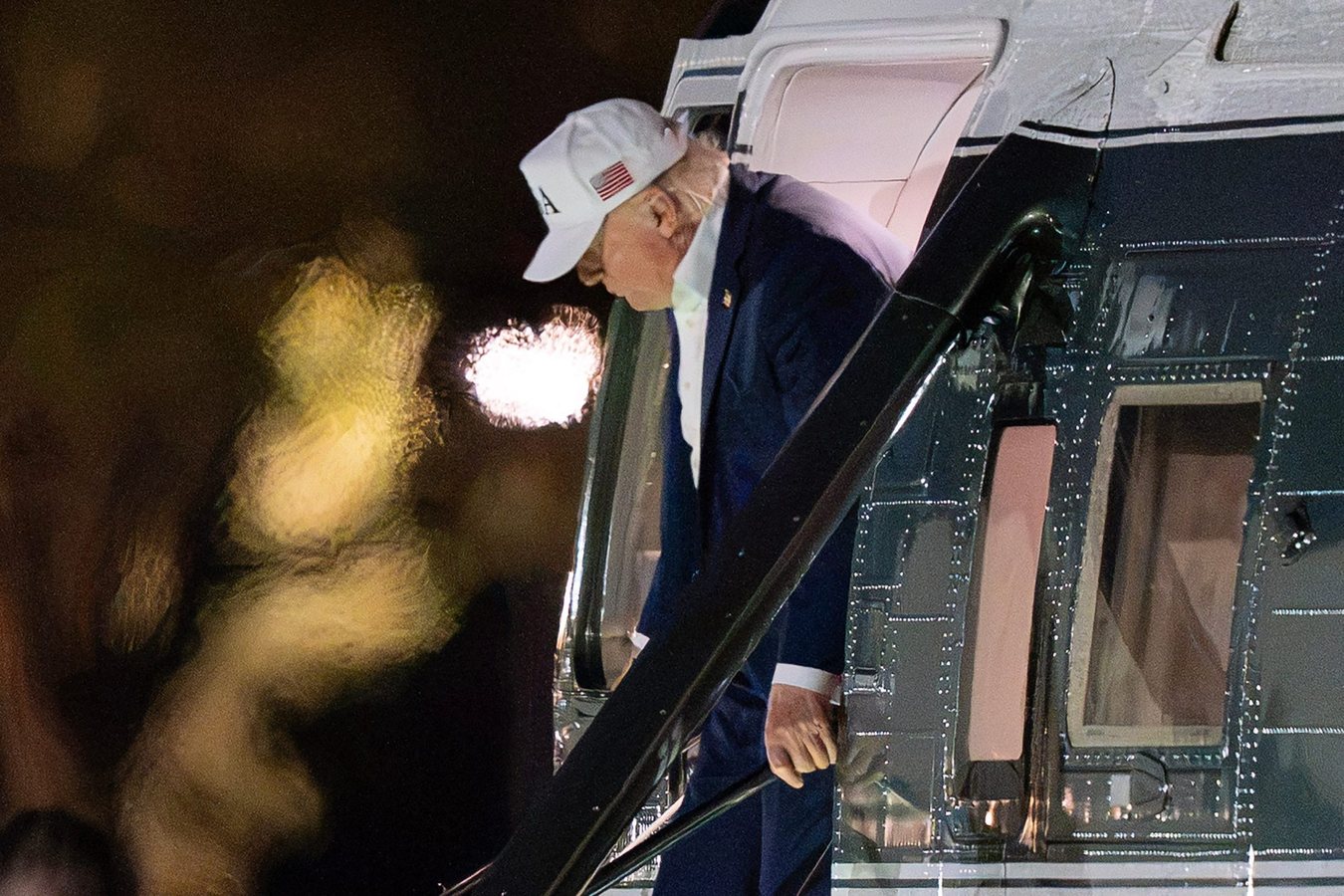
Trump proceeded with the ribbon-cutting on the South Lawn despite the absence of the network cameras, using oversized gold scissors to cut a red, white and blue ribbon in light drizzle. He shook hands with officials and construction workers in green smocks and hardhats, seeking to project business as usual. But any remarks he made were inaudible over the noise of the waiting Marine One helicopter, and he did not respond to shouted questions from reporters before boarding for a flight to New York.
Instead, the president posted on his social media site: «We are just leaving the White House Lawn on the maiden voyage from the newly built, and very beautiful, Heliport!» The helipad features extensive granite that Trump has claimed will have a «million-year life», along with a large presidential seal. He has argued that visiting dignitaries will be impressed by the project, pointing in particular to Chinese President Xi Jinping, who arrives on Wednesday for a state visit.
The timing of the media confrontation has complicated the White House's preparations for that visit and for Trump's departure to the United Nations General Assembly, which begins on Tuesday. The constitutional questions raised by restricting press access have overshadowed both the helipad project and the diplomatic agenda, just as the president has spent large parts of his second term focused on building works while his administration contends with the ongoing war in Iran.
Trump's approval ratings have fallen with about six weeks remaining before Election Day, as voters express growing concern about inflation and a potentially weakening economy. The helipad construction began in June and was rushed to completion before Xi's arrival. Trump has said the project would be privately funded at a cost of up to $6 million, with Sikorsky Aircraft, a subsidiary of Lockheed Martin, covering the expense because it manufactures the newer, larger helicopters that require a reinforced landing surface. He thanked the company's chief executive in his online post.
The president has made expansive claims about the durability of his building projects. He previously suggested that refurbishment of the Lincoln Memorial's Reflecting Pool would last a century, only for the paint to fade and the liner to peel away in chunks days after it was laid. The helipad work has also involved extensive efforts to level the ground around the site, making the exact expenditure difficult to calculate.
The South Lawn has become a major construction site this year. In June, Trump erected a fighting cage and temporary arena for a UFC event marking his 80th birthday, before crews turned to the helipad. He has also removed the original Tennessee flagstone along the West Wing colonnade and replaced it with black granite, and refurbished the walkway from the White House diplomatic entrance with white granite, along with part of the asphalt driveway around the lawn.
Some of the president's projects have ultimately relied on public money despite initial assurances of private funding. When crews demolished the White House East Wing to make room for a $400 million ballroom, Trump said it would be paid for by private donors, but his administration later sought $1 billion from Congress for security improvements to the structure.
5