Economy 5 min read By Bethany Hadley
Mexico to Prioritise Local Currency Debt, Says Finance Minister
Mexico's finance minister has signalled a shift toward issuing more debt in pesos rather than foreign currencies, a move aimed at reducing exposure to exchange-rate shocks and building a deeper domestic investor base.
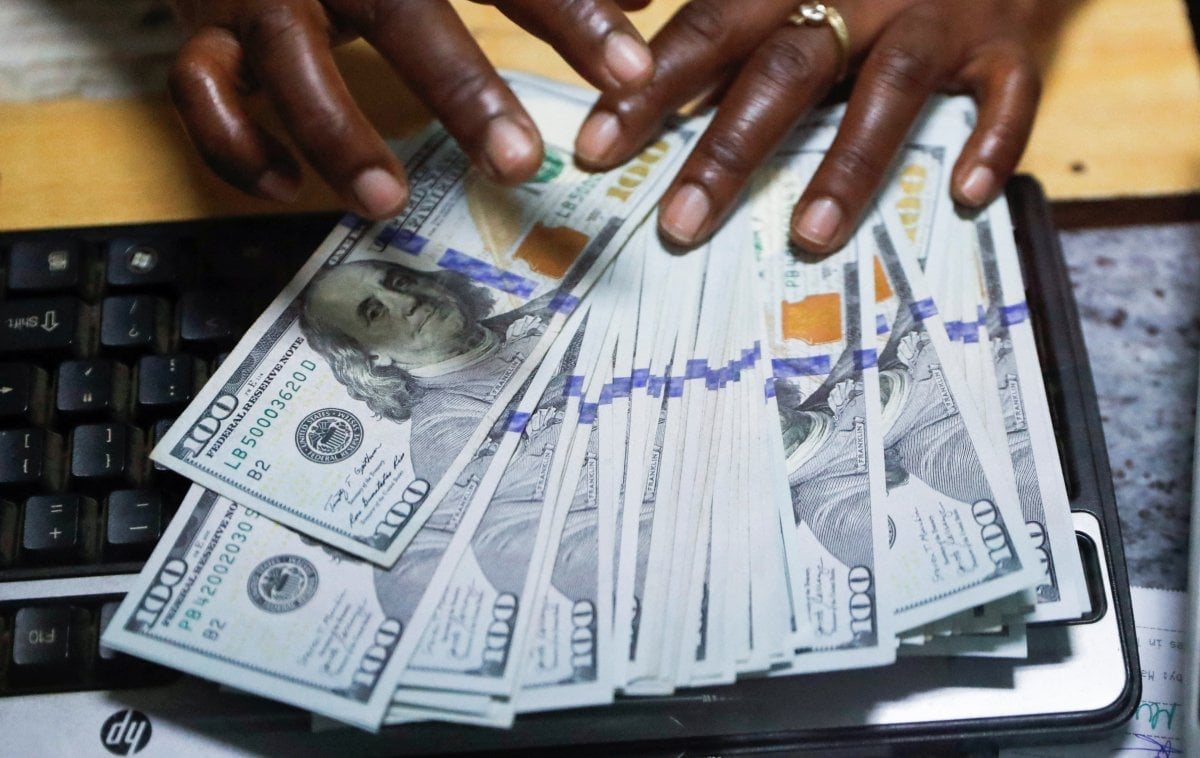
Mexico will concentrate its sovereign borrowing in local currency, the country's finance minister has said, in a strategic shift that prioritises peso-denominated debt over foreign-currency issuance. The approach is intended to reduce the public balance sheet's vulnerability to exchange-rate movements and to deepen the domestic investor base for government securities.
The minister's remarks place Mexico alongside a group of emerging economies that have spent the past two decades trying to reduce their reliance on hard-currency borrowing. For Mexico, the world's largest market for locally issued emerging-market debt, the emphasis on pesos reflects both a deliberate policy choice and a structural advantage: a deep pool of domestic institutional investors, including pension funds and insurers, that can absorb government paper without exposing the sovereign to the currency mismatches that have triggered past crises.
Foreign-currency debt carries a specific risk for emerging-market sovereigns. When a government borrows in dollars or euros but collects revenue in its own currency, a sharp depreciation inflates the real cost of servicing that debt. Several emerging economies have suffered debt crises rooted in this mismatch, and Mexico itself weathered a severe currency crisis in the 1990s. By issuing primarily in pesos, the government transfers the currency risk to investors, who are better placed to price and manage it.
The strategy also has implications for monetary policy and financial stability. A larger stock of local-currency debt can strengthen the transmission of central bank interest-rate decisions, because government bond yields serve as a benchmark for corporate and household borrowing costs. A well-developed local bond market can also reduce the economy's dependence on foreign capital flows, making domestic financing conditions less sensitive to shifts in global risk appetite.
Mexico's peso-denominated bond market is already among the most developed in the emerging world. The government has for years issued a range of fixed-rate and inflation-linked securities, and domestic pension funds have become significant holders of sovereign debt. That base gives the finance ministry room to increase local issuance without necessarily paying a large premium, though the pace will depend on investor demand and the broader fiscal picture.
The minister's comments come amid a global environment in which borrowing costs have risen and investors are scrutinising fiscal positions more closely. Emerging-market sovereigns that rely heavily on foreign-currency debt have faced higher refinancing costs as major central banks have kept interest rates elevated. A pivot toward local-currency issuance can therefore be presented as a defensive measure as well as a developmental one.
Analysts will watch whether the shift is accompanied by concrete issuance plans and whether the government can extend the maturity profile of its peso debt. Shorter-dated local debt can create refinancing clusters, while longer-dated issuance locks in funding costs and gives the sovereign more predictability. The finance ministry has not yet set out a detailed timetable for the change in composition.
For investors, the signal matters. A sustained increase in peso supply could affect yields on Mexican government bonds and influence the currency's appeal as a carry-trade target. It may also encourage further development of Mexico's domestic capital markets, giving local companies an alternative to bank lending and foreign borrowing.
The broader context is a decade in which many emerging economies have tried to build local-currency yield curves and reduce the «original sin» of borrowing abroad in currencies they cannot print. Mexico's stated focus on local-currency debt is a continuation of that trend, and its success will depend on maintaining investor confidence, keeping inflation under control, and preserving the institutional credibility that underpins demand for long-dated peso assets.
7