Business 4 min read By Callum Montgomery
72 S&P 500 Companies Raise Earnings Guidance as Wall Street Optimism Grows
A growing number of S&P 500 companies have raised their earnings guidance, signalling rising corporate confidence even as they now face the challenge of delivering on those upgraded forecasts.
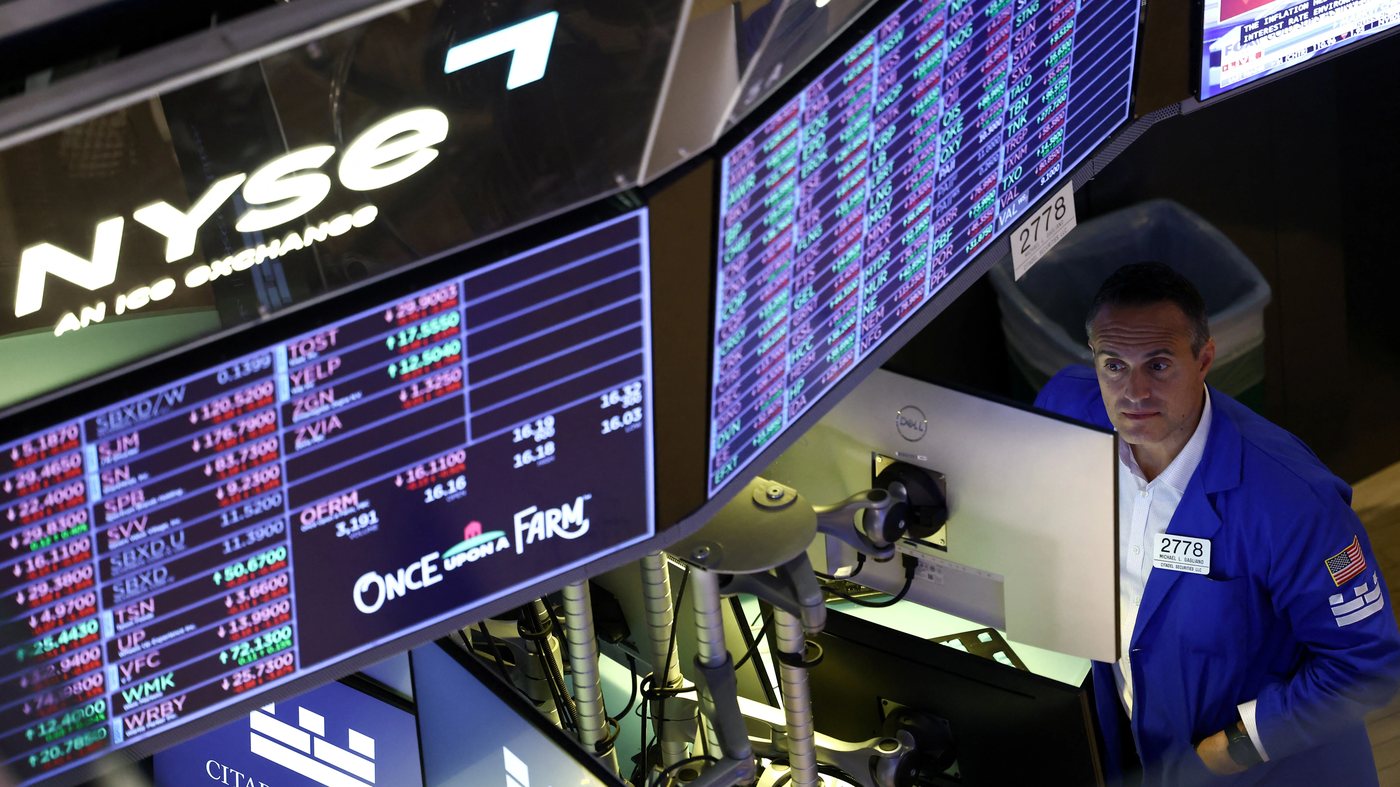
Seventy-two companies in the S&P 500 have raised their earnings guidance, a move that underscores a broadening sense of optimism across corporate America and on Wall Street. The upgraded forecasts mean those businesses must now deliver results that match or exceed their own raised expectations, leaving little room for disappointment when they report.
The trend reflects a market in which analysts and executives have grown steadily more confident about profit growth. Companies that lift guidance are effectively resetting the bar for themselves, and investors will judge them against those higher targets. Missing an upgraded forecast can weigh heavily on a share price, even if the underlying results remain solid by historical standards.
Earnings guidance is a forward-looking statement issued by a company about its expected financial performance, typically covering revenue, profit margins or earnings per share. When a business raises that guidance, it signals that trading conditions, demand or cost management are proving stronger than previously assumed. The decision is rarely taken lightly, because it invites closer scrutiny from analysts, institutional investors and the financial press.
For the wider market, the wave of upgrades is a signal about the health of corporate profits at a time when investors are weighing economic data, interest rate expectations and the pace of consumer demand. The S&P 500 is the benchmark index most closely watched as a gauge of large American companies, and the earnings season that follows such guidance updates is treated as a test of whether optimism is justified.
The 72 companies that have raised their outlook now carry a dual burden. They must show that the conditions that prompted the upgrade have persisted, and they must do so while managing costs, supply chains and any shifts in customer behaviour. A raised forecast that is subsequently missed can damage credibility with the market, making future guidance less influential.
Conversely, companies that meet or beat their upgraded targets can reinforce the narrative of resilient corporate performance. That, in turn, can support valuations across the index and encourage further investment. The dynamic is self-reinforcing: stronger guidance lifts expectations, and delivered results sustain confidence.
Analysts will be watching the coming reporting period closely for signs of whether the raised guidance reflects durable improvements or a temporary boost. Sectors exposed to consumer spending, industrial demand and technology investment are likely to draw particular attention, given their weight in the index and their sensitivity to broader economic conditions.
The broader significance lies in what the guidance says about the direction of the American economy. Corporate America and Wall Street have been growing more optimistic on earnings, and the 72 raised forecasts are a concrete expression of that mood. Whether that optimism is confirmed will depend on the numbers those companies now report.
For now, the message from the boardroom is one of confidence. The challenge is to convert that confidence into results that satisfy investors who have already priced in the higher expectations. The companies that raised their guidance have set a higher bar, and the market will hold them to it.
9