Economy 3 min read By Arthur Ellington
Iran urges 10% cut in gas use as winter shortages loom
Iranian authorities are asking citizens to reduce gas consumption by at least 10% before winter, offering financial rewards to those who save, as an energy crisis deepens after attacks on gas infrastructure during the war with Israel and the United States.
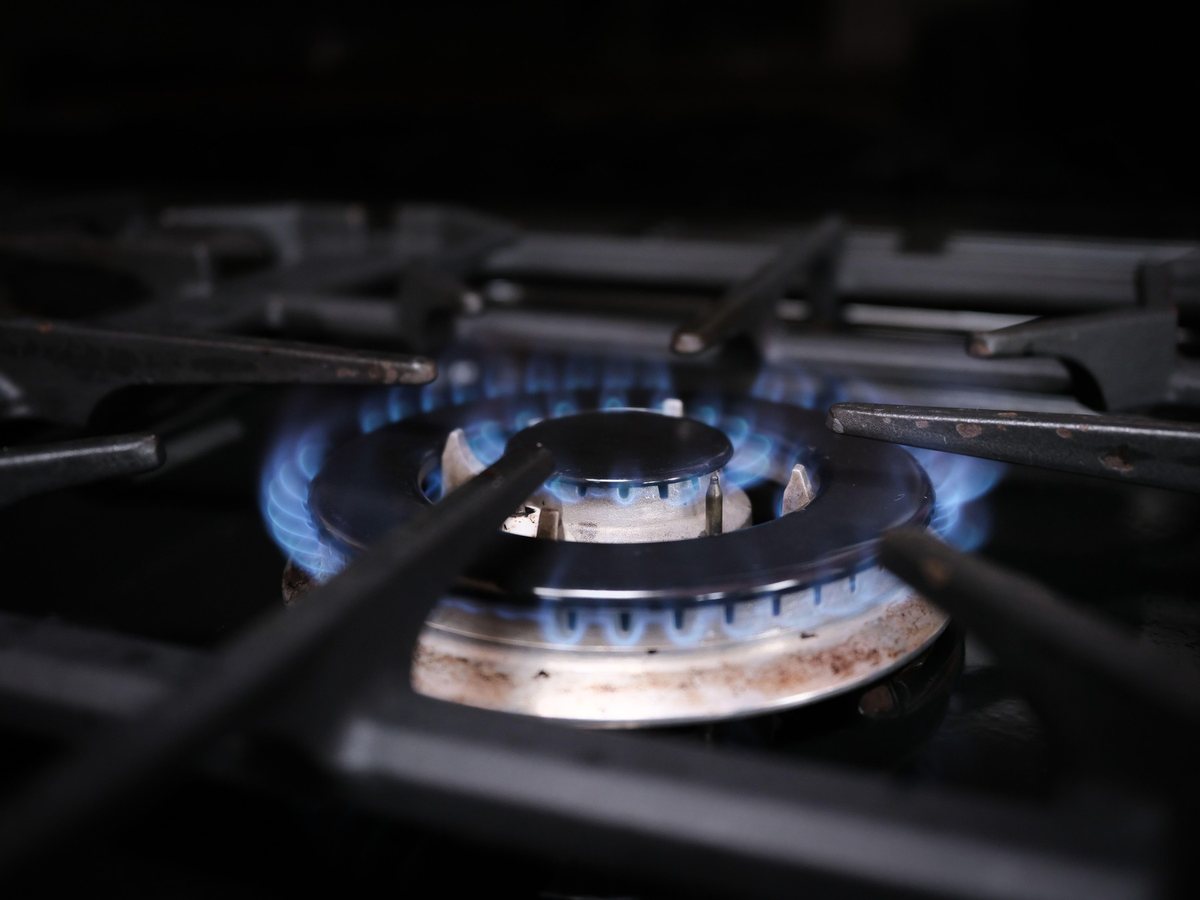
Iranian authorities are asking citizens to cut their natural gas consumption by at least 10% before the winter season, and are offering financial rewards to households and users who manage to save. The appeal comes despite Iran ranking second in the world in proven gas reserves, a position that has not shielded the country from a looming supply squeeze that could force rationing during the cold months.
According to the reports, Tehran estimates that its daily gas deficit could reach 250 million cubic metres during the heating season. The shortfall is linked to damage to gas infrastructure during the recent war involving Israel and the United States, when facilities were hit and output and distribution were disrupted. The authorities have framed the campaign as a practical response to the gap between domestic demand and what the system can currently deliver.
The incentive scheme is central to the government's approach. Those who reduce their consumption will receive money, officials have promised, in an effort to encourage voluntary restraint rather than relying solely on enforced cuts. The move reflects the pressure on a system where winter heating demand typically rises sharply, and where a shortfall of this scale would leave many homes and businesses exposed to outages if consumption is not curbed.
The situation highlights a paradox at the heart of Iran's energy sector. The country holds some of the largest gas reserves on the planet, much of it in the South Pars field that it shares with Qatar, yet its ability to convert those reserves into reliable supply for its own population depends on infrastructure, investment and security conditions that have been strained. Reserves alone do not guarantee available gas at the point of use, and the attacks on pipelines and processing facilities have exposed that gap.
For households, the immediate consequence is the prospect of tighter limits and possible rationing if the savings target is not met. For the wider economy, a sustained shortfall would weigh on industrial output, power generation and the government's fiscal position, since subsidised domestic energy is a costly obligation. Whether the financial incentives will be enough to close a deficit of this size before the coldest weeks arrive remains an open question, and the authorities have not indicated how the scheme will be funded at scale.
2