Economy 5 min read By Callum Montgomery
Gold Prices Slip as Stronger Dollar and Rate Outlook Weigh
Gold prices fell as a firmer US dollar and expectations of higher interest rates reduced demand for the precious metal, with investors also monitoring oil market moves and Iran nuclear talks.
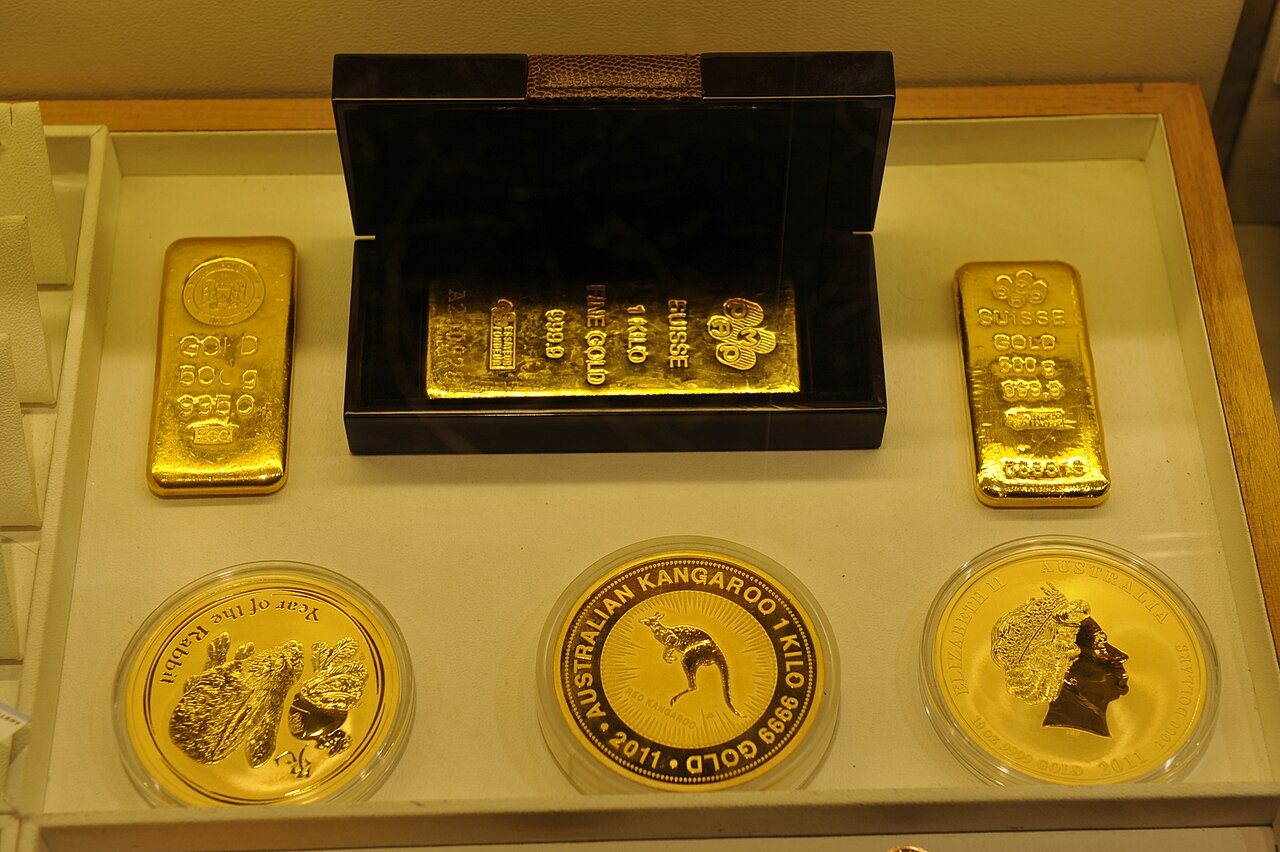
Gold prices dipped on Tuesday as a stronger US dollar and shifting expectations for interest rate rises weighed on demand for the precious metal. The decline came as oil prices eased, tempering fears of a sharp spike in inflation that could force the Federal Reserve into aggressive tightening.
Investors are weighing the path of US monetary policy against a backdrop of volatile energy markets and ongoing diplomatic efforts over Iran's nuclear programme. A stronger dollar makes gold more expensive for holders of other currencies, while the prospect of higher interest rates increases the opportunity cost of holding non-yielding bullion.
The metal had earlier found some support as a slide in oil prices eased concerns that the Fed might need to raise rates more quickly than expected. Lower oil prices can reduce headline inflation pressures, giving policymakers more room to maintain a gradual approach. However, the dollar's advance proved the dominant factor, pushing gold lower.
Market participants are also tracking negotiations over Iran's nuclear deal, which could influence oil supply and, by extension, inflation expectations. Any breakthrough that brings more Iranian crude to market could further ease energy costs, potentially altering the calculus for central banks. Conversely, a breakdown in talks could revive oil price risks and boost gold's appeal as a hedge.
The rate outlook remains a key driver for gold. Recent signals from the Federal Reserve have pointed to a steady tightening path, though officials have stressed that decisions will depend on incoming data. With inflation running above target in several major economies, investors are sensitive to any hint that policy could turn more hawkish.
A stronger dollar has been a persistent headwind for gold this year. The US currency has benefited from expectations of higher rates and safe-haven flows, making dollar-denominated assets less attractive to overseas buyers. For gold, that dynamic has capped rallies even when geopolitical tensions flare.
Analysts note that gold's dual role as an inflation hedge and a safe-haven asset can create conflicting signals. While rising price pressures typically support gold, the prospect of tighter monetary policy to combat inflation often strengthens the dollar and weighs on the metal. That tension has kept prices range-bound in recent sessions.
Looking ahead, traders will focus on upcoming US economic data and comments from Fed officials for clues on the pace of rate increases. Any signs of slowing growth or easing inflation could weaken the dollar and offer gold relief. Conversely, robust data that reinforces the case for higher rates may extend the metal's losses.
In the broader commodity complex, oil's retreat has provided some calm after a period of sharp swings. The easing of oil prices reduces the risk of a sustained inflation surge, which could allow central banks to proceed more cautiously. For gold, that is a double-edged sword: less inflation urgency means less safe-haven demand, but also less pressure for aggressive rate hikes.
Iran talks remain a wildcard. Diplomats have been working to revive the 2015 nuclear accord, and any agreement could lead to increased oil exports from Iran. That would likely push crude prices lower, further easing inflation concerns and potentially reducing gold's appeal as a hedge. However, the negotiations have been fraught with delays and disagreements, leaving markets uncertain.
Gold's performance also reflects broader investor sentiment. With equity markets volatile and bond yields rising, some investors have rotated out of defensive assets. Others continue to see gold as a portfolio stabiliser amid geopolitical uncertainty and long-term inflation risks.
As the session progressed, gold remained under pressure, with the stronger dollar and rate expectations dominating sentiment. Market participants will continue to parse economic data and policy signals for direction, while keeping an eye on energy markets and diplomatic developments that could shift the inflation outlook.
5