Technology 5 min read By Bethany Hadley
Meta's Muse AI Agent Tops App Store as Amazon Blocks Access
Meta's new AI agent app Muse has become the top free app on Apple's App Store, but Amazon has blocked it from accessing its online store, raising questions about control of consumer interfaces.
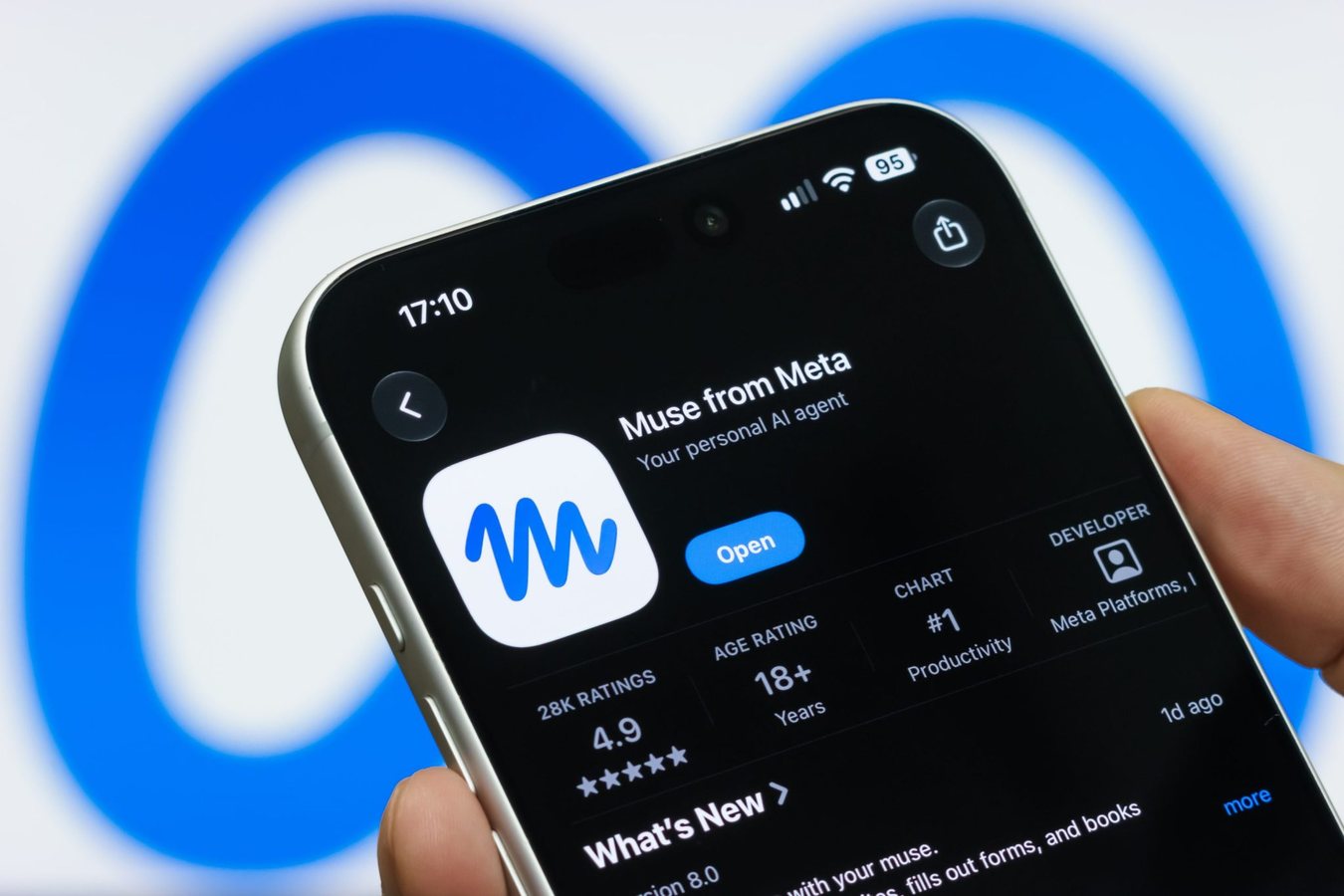
Meta's new artificial intelligence agent app, Muse, has surged to the top of Apple's App Store free chart, unseating ChatGPT and marking the company's first major push into consumer AI agents. The app, powered by Meta's latest Muse Spark model, acts as a personal assistant that can book appointments, shop, and organise calendars autonomously on behalf of users.
Muse connects to a range of services and requires users to hand over access to accounts across their phone in exchange for the agent handling tasks such as booking a holiday or making restaurant reservations. Its rapid rise represents a much-needed victory for Meta in the AI arena, following a series of struggles to compete with frontier labs like OpenAI and Anthropic.
However, the app's success has already triggered a significant backlash. Amazon has blocked Meta's assistant from accessing its online store, stating that «continued access by an unauthorized AI agent violates Amazon's Conditions of Use, to which our customers have agreed.» Amazon added that Meta never asked for permission to access its site. Meta did not immediately respond to a request for comment, though it has announced a partnership with Shopify for some of Muse's shopping features.
The conflict highlights a growing tension over who controls the shopping and user interfaces that AI agents seek to access. For Amazon, Muse poses a threat because it bypasses the usual process of humans visiting its website or app and viewing the advertisements that serve as a key profit driver. Amazon has taken similar action before, suing Perplexity last year over its Comet AI tool, which could access Amazon accounts in a comparable way. Amazon recently lost a ruling on that claim after the US Court of Appeals for the Ninth Circuit found that users were ultimately choosing to access Amazon via Perplexity's bot; the company is still fighting the issue.
Amazon operates its own shopping agent, called Buy for Me, which performs tasks similar to Muse's. The company has said brands can opt out of the feature, though doing so requires action since brands are automatically opted in. CEO Andy Jassy has also said Amazon is exploring AI shopping agent partnerships with third-party companies.
Privacy is likely to be a central concern for consumers weighing assistants like Muse, which allow for personal touches such as naming your assistant but require access to sensitive information, including bank accounts, to work effectively. Meta says user logins are kept secret and that online purchases use a one-time card number that hides a person's actual card details. Still, Meta has been at the heart of previous privacy issues, facing multiple proposed class-action lawsuits related to its smart glasses, including one alleging that footage captured by the glasses, including highly personal material, was sent to third-party human reviewers for annotation and AI development. Meta has disputed the allegations.
The rise of Muse comes at a pivotal moment for Meta. CEO Mark Zuckerberg is expected to unveil updates to the company's smart glasses at its annual Connect event in Menlo Park, California, on Wednesday. The event is likely to further showcase Meta's ambitions in AI and wearable technology.
Industry observers are watching closely. Nikesh Arora, chief executive at Palo Alto Networks, wrote on X: «It is only a matter of time before there is an Apple and Google version of Muse and possibly TikTok, in addition to the frontier LLM agents. Every app that is a services, marketplace or commerce app will need to existentially decide to open [Application Programming Interfaces] for consumer agents to interact. Smaller players have no choice. Either the consumer benefits or distribution aggregators will demand a higher transaction fare.»
Meta released Muse just as Anthropic and OpenAI rolled out cheaper versions of some of their models, and Apple recently introduced its revamped Siri as part of its newest iOS update. The competitive landscape is intensifying, and Muse's breakout success shows how quickly agentic technology is transforming the consumer space. The bigger questions raised by its release concern who controls the shopping and user interfaces that Meta is trying to access, and how major companies will agree to such access.
3