Economy 4 min read By Callum Montgomery
Fed’s reliance on year-on-year inflation data raises questions about policy timing
The Federal Reserve's heavy reliance on 12-month inflation measures may be obscuring a sharp recent slowdown in price pressures, raising questions about the timing of its monetary policy decisions.
The Federal Reserve’s approach to reading inflation may be leaving it looking in the rearview mirror, with policy decisions based on where the economy has been rather than where it is heading. The central bank leans heavily on measures that summarise the preceding 12 months, and those indicators can be slow to reflect a sharp change in the current inflation run rate. The July Consumer Price Index came in at 3.4%, slightly below June’s 3.5% and still far above the Fed’s 2% target, which would suggest inflation remains a serious problem.
Yet the trend of the last three months offers a different, more current signal. The three-month average of the CPI since May, annualised, is just 0.49%. The Producer Price Index, also reported this week, was up 4.7% year on year, but on a monthly basis it has been falling rapidly since April and was negative for June and July, with a three-month annualised rate of 1.6%. Inflation expectations have also moderated significantly since May, with both market measures and the Cleveland Fed’s one-year inflation expectation model forecasting inflation in the 2.3% range, well below the headline CPI.
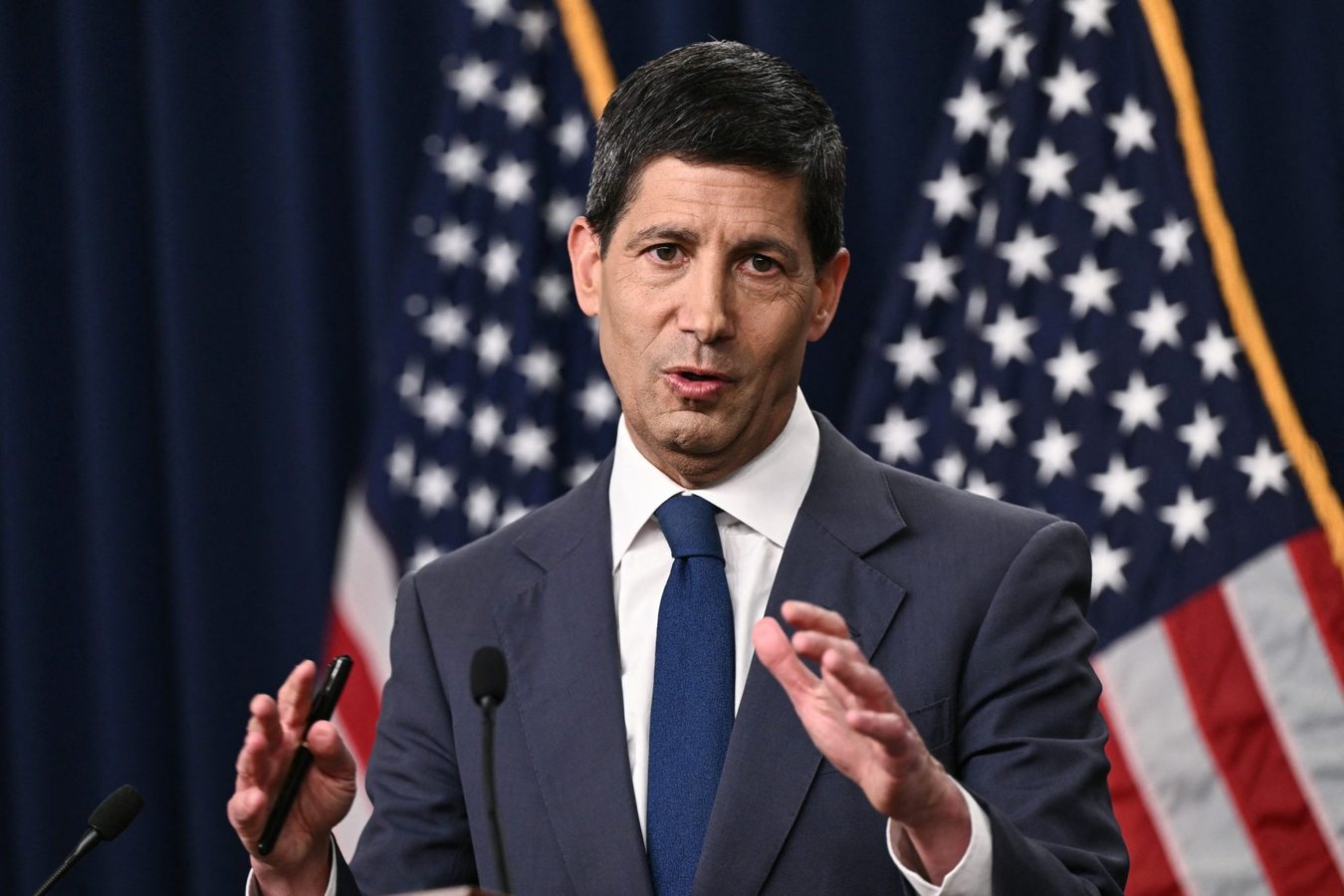
At the latest meeting of the Federal Open Market Committee, the presidents of three regional Fed branches voted to increase interest rates immediately. Beth Hammack of Cleveland warned that the longer high inflation persists, the more challenging and costly it can be to bring it back down, adding that pricing pressures are broadening rather than fading. Neel Kashkari of Minneapolis worried about the risk that high inflation could become entrenched and projected multiple rate hikes, while Lorie Logan of Dallas was also pessimistic. Chairman Warsh spoke of the need to continue the battle against high inflation and promised the Fed will deliver its 2% target.
The idea that an annualised quarterly measure of inflation may be superior to a year-on-year measure is a mainstream proposition among economists and policymakers. Nobel laureate Paul Krugman has endorsed the idea, arguing that in an economy going through as much turmoil as seen recently, a 12-month lag is too long. Jason Furman, former chair of Obama’s Council of Economic Advisors, has said that to understand the inflation trend, it is better to focus on a shorter window of three to six months. Former Fed Chair Jerome Powell and Vice-Chair Lael Brainard often cited inflation figures based on shorter averaging periods, and the Cleveland Fed publishes an inflation nowcast with an annualised quarterly version of the CPI currently at 1.05%.
The negative impact on monetary policy is twofold. A heavy reliance on backward-looking data obscures the most important moments in the trend, and the backwards focus exacerbates the lag in responding to those changes, with potentially serious macroeconomic consequences. Consider the inflation spike of 2021-2023: while the Fed was slow to respond, the interest rate increases that began in mid-2022 were effective in bringing down inflation. The annualised three-month version shows the inflation trend changed abruptly in mid-2022, falling from 10.1% to 1.9% in a single quarter. The standard CPI first understated, and then overstated, that shorter-run measure of inflation.
Traders seem to think the price trend may be reversing direction more quickly than the year-on-year CPI can detect it. The S&P 500 hit a new all-time record the day after the CPI release, with tame inflation data cited as the reason. The market consensus flipped on the question of a possible rate increase in September, from 80% in favour last month to about 67% against today. Even The Wall Street Journal has hailed the return of disinflation.
66