Economy 5 min read By Bethany Hadley
EU Urges China to Limit Hybrid Car Exports to Avert Trade Dispute
Brussels has asked Beijing to voluntarily restrict exports of hybrid vehicles to the European Union, as the bloc seeks to prevent a repeat of the electric vehicle tariff row that strained relations in 2024.
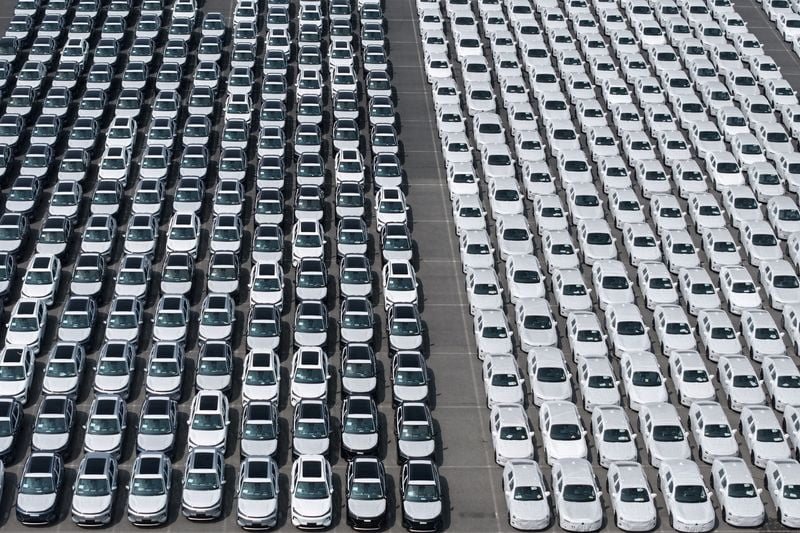
The European Union has asked China to voluntarily curb its exports of hybrid cars to the bloc, according to reports, in a move aimed at heading off a fresh trade confrontation over vehicle subsidies. The request, first reported by the Financial Times, signals Brussels' desire to avoid a repeat of the electric vehicle tariff dispute that escalated in 2024.
Unlike battery electric vehicles, which have faced provisional EU countervailing duties since last year, hybrid cars have so far escaped the bloc's tariff net. But their rising share of the European market has caught the attention of policymakers in Brussels, who fear that Chinese manufacturers could shift their export focus to hybrids to circumvent existing measures on fully electric models.
The EU's approach appears designed to secure a negotiated outcome rather than trigger another round of tit-for-tat tariffs. By asking Beijing to limit hybrid exports voluntarily, Brussels hopes to prevent a surge in imports that could otherwise require formal trade defence action. Such a step would risk retaliation from China, which has already launched its own probes into EU brandy, pork and dairy products in response to the electric vehicle duties.
Chinese hybrid exports to Europe have grown steadily as manufacturers such as BYD and Geely expand their presence in the region. These vehicles, which combine a petrol engine with an electric motor, are often priced competitively and benefit from the same supply chain advantages that have made Chinese electric cars formidable competitors in global markets.
The European Commission has not publicly confirmed the request. A spokesperson declined to comment on the reported discussions. The Chinese commerce ministry did not immediately respond to a request for comment.
Analysts suggest that any voluntary restraint agreement would be difficult to enforce and could face resistance from EU member states that are keen to keep consumer prices low and meet climate targets. Hybrids are seen by many European buyers as a practical stepping stone between conventional combustion engines and fully electric vehicles, particularly in countries where charging infrastructure remains patchy.
The timing of the request is delicate. The EU is conducting a review of its electric vehicle tariffs, which are set to become definitive later this year. A separate investigation into Chinese hybrid vehicles could complicate ongoing negotiations and further strain EU-China relations, which have already been tested by disputes over technology transfer, market access and industrial subsidies.
For British businesses, the development is closely watched. The UK is not part of the EU's trade defence measures, but many British importers and dealers source Chinese vehicles through European distribution networks. Any restriction on hybrid exports to the EU could divert supply to the UK or alter pricing strategies across the continent.
The broader context is one of rising protectionism in global auto markets. The United States has imposed steep tariffs on Chinese electric vehicles, and several other countries are considering similar steps. The EU's preference for a negotiated solution reflects its reluctance to escalate a trade war that could harm its own exporters, particularly in the automotive and luxury goods sectors.
Whether Beijing will agree to any form of voluntary export restraint remains uncertain. China has consistently rejected what it calls unfair trade barriers and has warned that it will take all necessary measures to protect its interests. A negotiated deal would require both sides to make concessions, and trust between Brussels and Beijing is already thin.
For now, the EU's request represents a cautious attempt to manage a growing trade imbalance without resorting to tariffs. If successful, it could provide a template for handling future disputes over emerging technologies. If not, the bloc may find itself drawn into another prolonged trade row at a time when its economy is already facing sluggish growth and political pressure from member states to defend domestic industries.