Economy 4 min read By Bethany Hadley
Fed raises interest rates for first time since 2023 in unanimous vote
The Federal Reserve has raised its benchmark rate by 25 basis points to 3.75%-4%, the first increase since 2023, defying President Trump's calls for the lowest rates in the world.
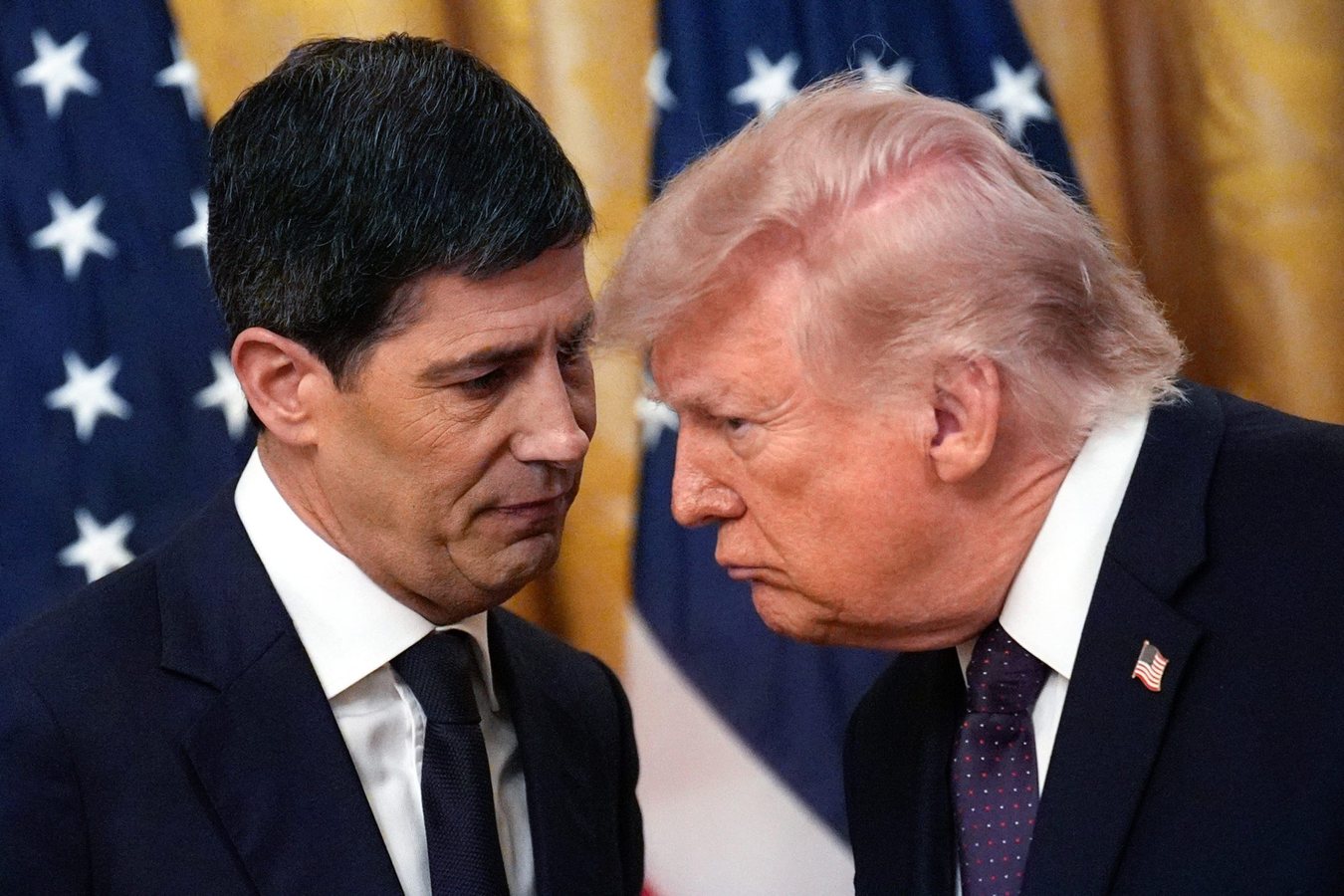
The Federal Reserve has raised its benchmark interest rate by 25 basis points, lifting the federal funds rate to a range of 3.75% to 4%. It is the first increase since 2023 and the first rate decision taken under Kevin Warsh, whom President Donald Trump appointed to chair the central bank.
The vote was unanimous. The move directly contradicts Trump's public demand that Warsh deliver the «lowest rates» in the world. Between Warsh's nomination and the decision, the President attacked the committee as «clowns» for considering a hike. Officials nonetheless concluded that a quarter-point increase was necessary to bring inflation back to the 2% target in a «timelier» manner.
Data left the Fed with little alternative. Inflation has remained above 2% for five years, consumer sentiment is weak, and strong jobs reports have added to price pressures. August consumer price inflation rose 0.4% on the month, quadruple July's pace. By Tuesday, futures markets put the odds of a hike at 93%, making a hold the more surprising outcome.
In its statement, the Federal Reserve said: «Inflation remains elevated. Today's policy action will support a timelier return to the Committee's 2 percent goal. The Committee will deliver price stability.» It also described productivity growth as strong and capital investment as robust, but offered no forward guidance.
Warsh had hinted at the move without stating it outright. At the Jackson Hole symposium in late August, he noted that 54% of the 199 components in the PCE price index had risen more than 3% over the prior 12 months, arguing that inflation was not solely driven by oil prices or tariffs. He has consistently refused to provide forward guidance, saying he prefers that officials have a «good family fight» over the data.
The decision follows internal pressure from officials who had already voted for a hike. Beth Hammack, Neel Kashkari and Lorie Logan supported an increase in July but lost 9–3. The median official now expects the federal funds rate to end 2026 at 4.1%, up from 3.8% in June, implying one more quarter-point increase before year-end. The 2027 median is also 4.1%, signalling no cuts next year. The longer-run neutral rate barely moved, with seven officials still placing it at about 3%.
The administration has argued that core CPI is annualising at 1.6% over three months, below the 2% gauge, and that artificial intelligence capital expenditure will expand the economy's capacity and productivity gains will reduce inflation. But the Fed's preferred measure, core PCE, runs just over 3%. The AI buildout is currently bidding up the price of equipment, and there is no evidence yet that AI will boost long-run productivity.
The initial reaction in the Treasury market was muted. The hike marks a sharp break from the easing cycle that markets had anticipated and underscores the central bank's determination to restore price stability even in the face of political pressure.