Economy 5 min read By Bethany Hadley
Fed Raises Rates to 3.75%-4% as Trump Attacks Central Bank
The Federal Reserve has raised interest rates by a quarter point for the first time in three years, lifting the target range to 3.75%-4%, prompting a sharp response from President Donald Trump.
The Federal Reserve has raised its benchmark interest rate by a quarter percentage point, lifting the target range to 3.75%-4%. It is the central bank's first rate increase in three years, marking a decisive shift in monetary policy after a prolonged period of ultra-low borrowing costs.
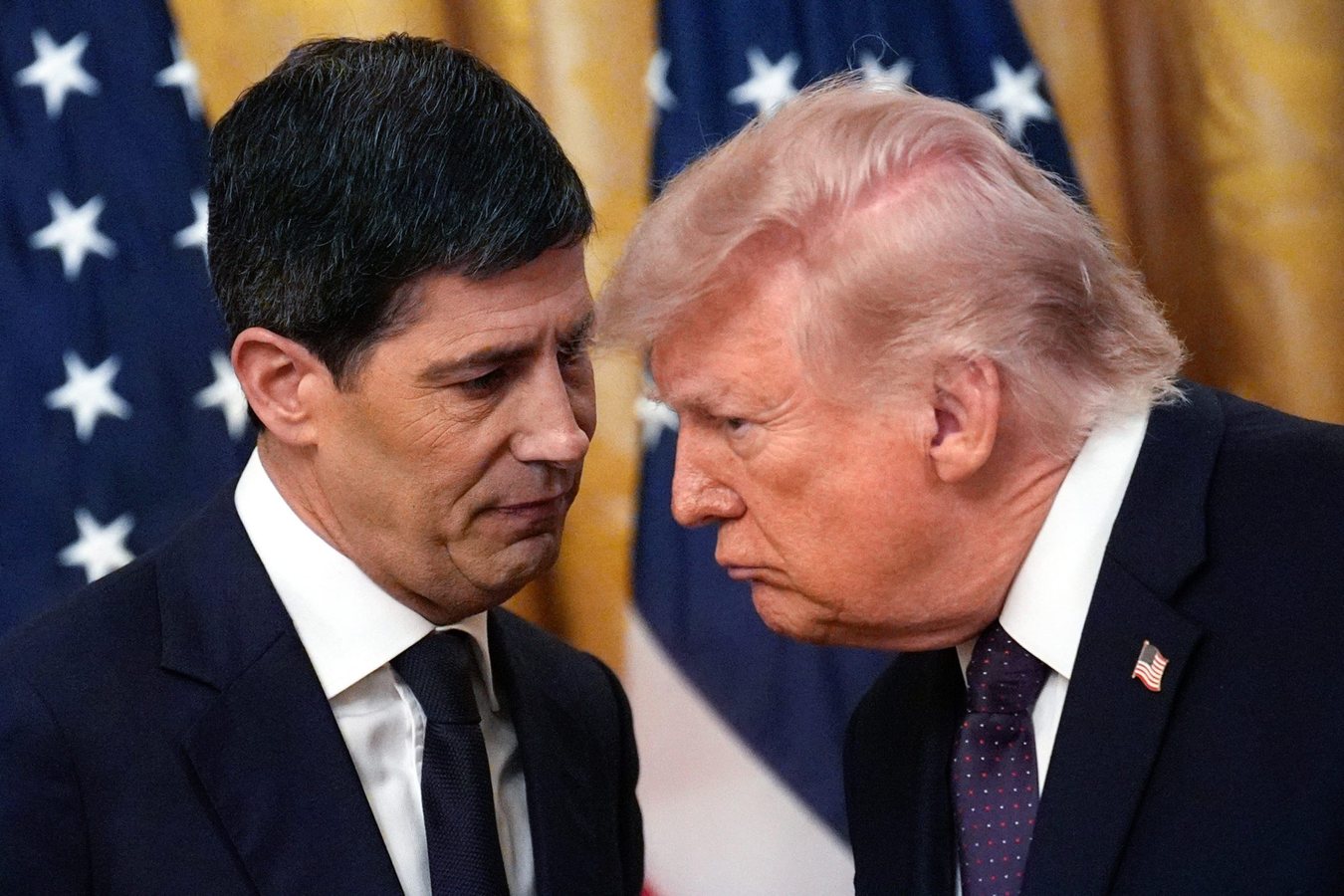
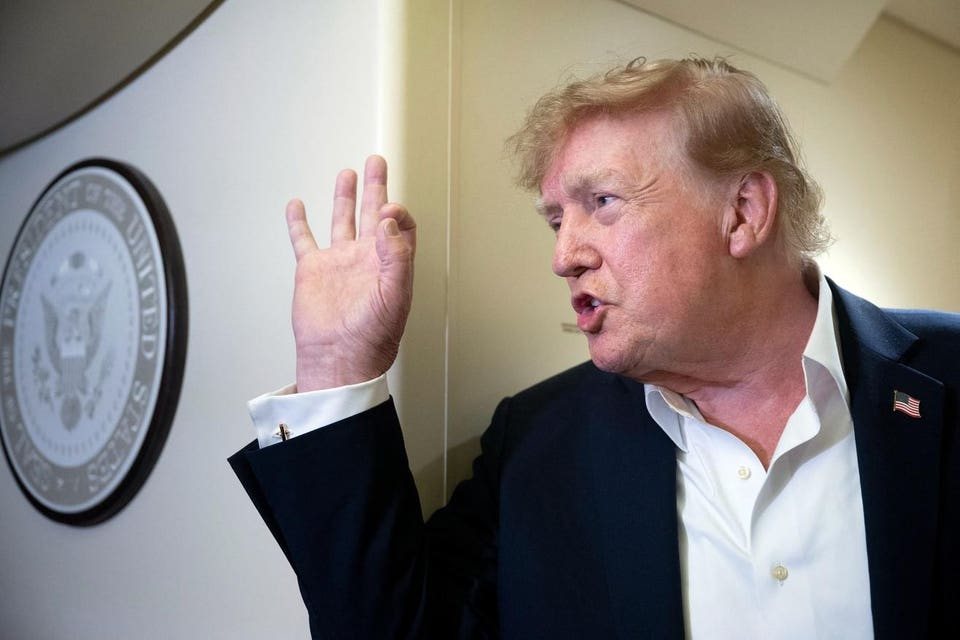
The move was immediately met with criticism from President Donald Trump, who publicly attacked the decision and the institution behind it. Trump has repeatedly clashed with the Fed over the direction of interest rates, and the latest hike drew another sharp rebuke from the White House.
The quarter-point increase raises the cost of borrowing across the world's largest economy. It affects everything from credit card balances and car loans to corporate debt and mortgage rates, transmitting tighter financial conditions to households and businesses alike.
For small-business owners, the change is particularly consequential. Many rely on variable-rate loans, credit lines and equipment financing to manage cash flow and fund expansion. A higher benchmark rate feeds through to those products, increasing monthly repayments and making new investment more expensive to service.
Entrepreneurs will need to reassess their financing arrangements in light of the new rate environment. Experts note that fixed-rate options, renegotiation of existing facilities and closer attention to cash-flow buffers can help control the impact of higher borrowing costs. The shift also affects the calculus for hiring, inventory and capital expenditure, as the return required to justify a loan rises in step with its cost.
The Fed's decision ends a three-year stretch in which rates were held at emergency levels. That period was designed to support economic activity through the pandemic and its aftermath, but it also fuelled debate about inflation, asset prices and the risk of keeping money too cheap for too long.
Raising rates is the central bank's primary tool for cooling price pressures and preventing the economy from overheating. The quarter-point move signals that policymakers now judge the balance of risks to have shifted, and that they are willing to tighten conditions even in the face of political pressure.
Trump's reaction underscores the tension between the White House and the independent central bank. Presidents typically avoid direct commentary on Fed decisions, but Trump has broken with that convention, arguing that higher rates penalise growth and disadvantage the United States in global markets.
The Fed sets interest rates without direct oversight from the president or Congress, a design intended to insulate monetary policy from short-term political incentives. That independence is now being tested in a highly visible way, with the president using his public platform to challenge the bank's judgment.
Markets and businesses will now watch for signals about the path ahead. A single quarter-point increase is modest in isolation, but it establishes a direction. If further hikes follow, the cumulative effect on borrowing costs, investment decisions and consumer demand could be substantial.
For companies carrying debt, the immediate priority is understanding how quickly their repayments will adjust. For savers, higher rates may eventually translate into better returns on deposits, though the pass-through is rarely immediate or uniform. For the wider economy, the question is whether tighter money slows activity enough to bring inflation under control without tipping growth into reverse.
The political dimension adds a further layer of uncertainty. An independent central bank making unpopular decisions is a familiar feature of modern economic governance, but a president willing to campaign against those decisions in public creates a new dynamic. How the Fed responds — through its statements, its forecasts and its future votes — will shape expectations for months to come.
For now, the immediate fact is clear: borrowing just became more expensive, and the era of near-zero rates is firmly in the past.