Economy 5 min read By Arthur Ellington
Canadian economy rebounds sharply in second quarter as domestic demand and exports strengthen
Canada's economy grew at an annualised rate of 2.1% in the second quarter, rebounding from a flat start to the year, driven by stronger domestic demand and rising exports.
Canada's economy recovered sharply in the second quarter, expanding at an annualised rate of 2.1 per cent as domestic demand revived and export growth accelerated, according to fresh national accounts data. The rebound marks a clear improvement from the opening three months of the year, when growth stalled, and signals that the country's economic engine is regaining momentum after a sluggish period.
The pickup was led by a broad-based strengthening in household spending and business investment, alongside a solid contribution from the external sector. Export volumes rose notably during the quarter, helped by firmer demand for Canadian goods abroad, while imports also increased, reflecting the resilience of domestic consumption. The data suggests that the Canadian economy is adjusting to the current interest rate environment better than many forecasters had anticipated at the start of the year.
Economists had been watching the second-quarter figures closely for signs that the Bank of Canada's monetary tightening cycle was beginning to weigh more heavily on growth. Instead, the latest numbers point to an economy that is holding up reasonably well, with domestic demand providing a stronger buffer than expected. The revival in consumer spending, in particular, is notable given the pressure that higher borrowing costs have placed on households across the country.
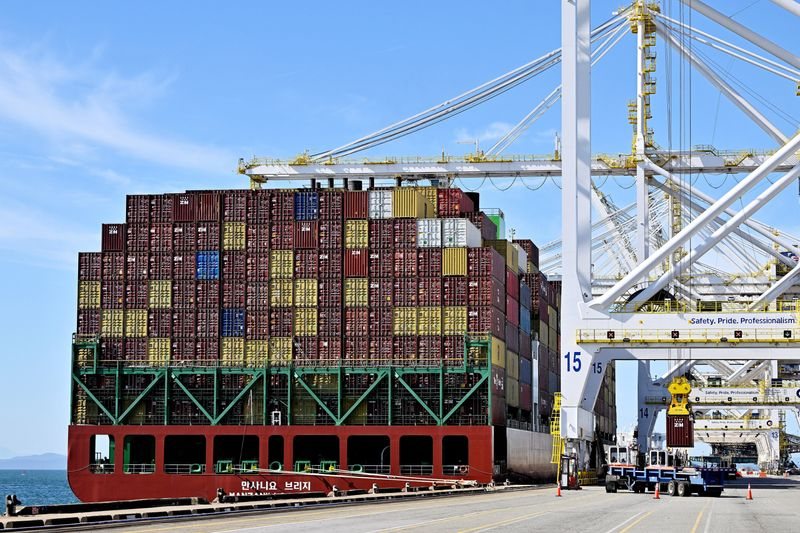
The growth figure also reflects a rebound in exports, which had been a drag on activity in the first quarter. Strengthening demand from key trading partners, most notably the United States, helped lift shipments of Canadian goods and services. The trade sector's positive contribution to overall growth in the second quarter marks a reversal from the previous three months and adds to the sense that the economy is on a firmer footing.
Business investment also picked up during the quarter, with companies increasing spending on machinery, equipment, and non-residential structures. That improvement is a positive signal for future productivity growth, which has been a persistent concern for the Canadian economy. The combination of stronger investment and resilient consumer demand suggests that the recovery is becoming more balanced than the consumption-led growth seen in some previous periods.
The data will be closely scrutinised by policymakers at the Bank of Canada as they assess the appropriate path for interest rates. While the central bank has signalled that it is prepared to adjust policy as needed, the stronger-than-expected growth figures may reduce the urgency for further easing in the near term. Market participants will now be watching upcoming inflation and employment data for additional clues about the trajectory of monetary policy.
For the federal government, the rebound provides some welcome fiscal breathing room, as stronger growth typically translates into higher tax revenues and lower pressure on social support programmes. However, officials remain mindful of the uneven nature of the recovery, with some sectors and regions still facing headwinds from elevated borrowing costs and softer global demand. The housing market, in particular, remains sensitive to interest rate movements, and its performance in the coming months will be a key factor in determining the durability of the current expansion.
Looking ahead, economists will be revising their forecasts for the remainder of the year in light of the second-quarter performance. The stronger-than-expected showing raises the possibility that the Canadian economy will avoid a pronounced slowdown, although risks remain, including the potential for further weakness in global trade and the delayed effects of monetary tightening on households and businesses. The third-quarter data, due for release later this year, will provide the next major test of the economy's resilience.
58