Economy 5 min read By Callum Montgomery
Brazil imports almost all its potash and nitrogen fertilizer, a risk to global food supply
Brazil feeds around 800 million people and leads world agricultural exports, yet it relies on imports for about 90 per cent of the fertilizer it uses. Analysts warn that supply shocks could cut yields far beyond its borders.
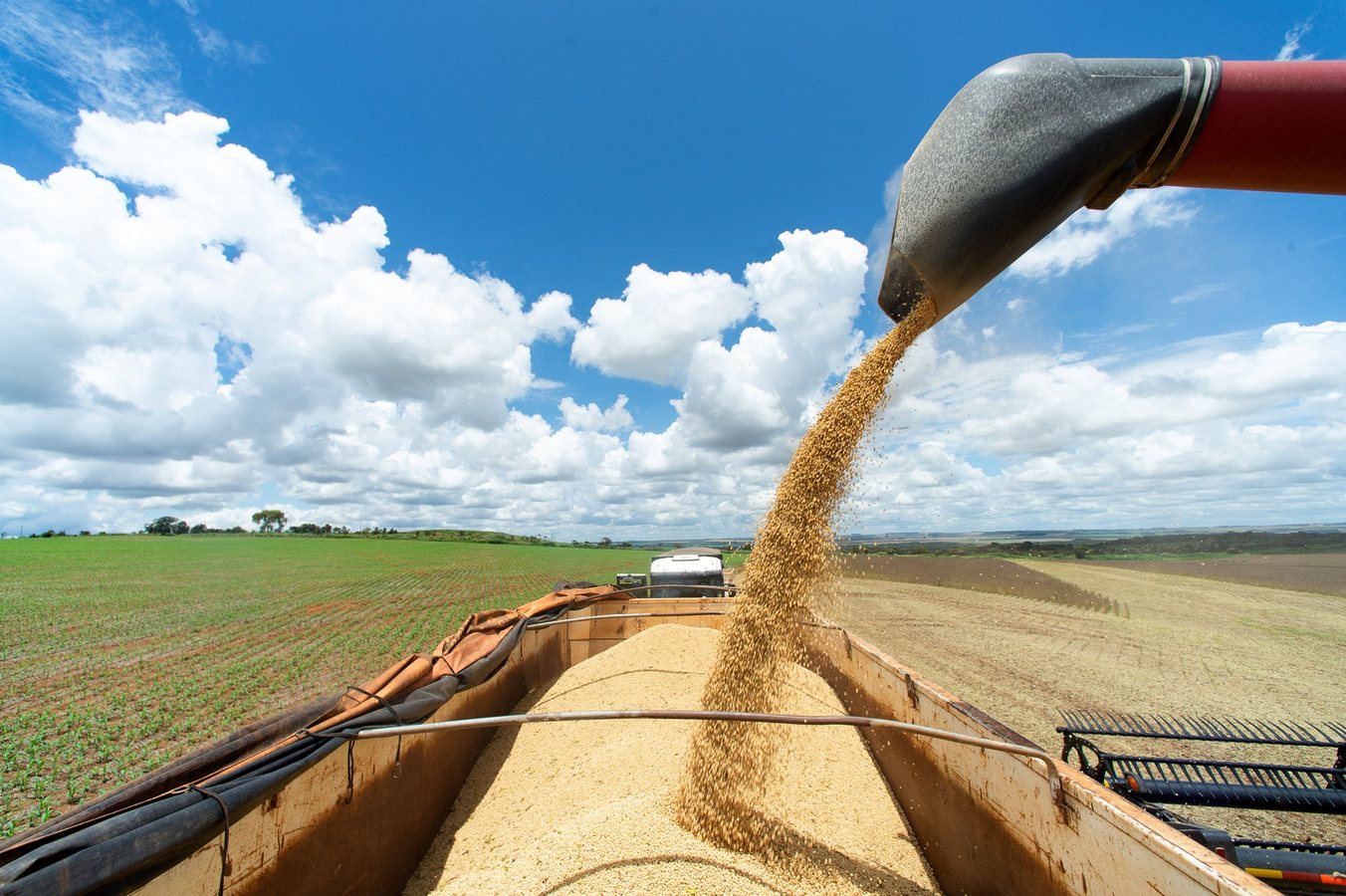
Brazil is one of the world's most important food producers, but its farm sector depends heavily on imported fertilizer, a vulnerability that analysts say carries risks well beyond the country's borders. Brazilian agriculture feeds roughly 800 million people, about 10 per cent of the world's population, and the country is the top global exporter of soybeans, beef, poultry, coffee, sugar and orange juice. It also supplies more than half of the world's soybean trade.
The country's agricultural exports reached $144.4 billion in 2024, against imports of $15.4 billion, giving a net surplus of around $129 billion. Argentina is the next-largest net agricultural exporter, but its surplus is less than a quarter of Brazil's. The strength of that trade position sits uneasily alongside the country's dependence on inputs it does not produce itself.
According to the Food and Agriculture Organization, Brazil imports about 90 per cent of the fertilizer it uses. The country uses more than 10 per cent of the world's fertilizer but produces only about 1 per cent, and it takes in nearly a fifth of all internationally traded fertilizer. Its dependence is sharpest in three main nutrients, nitrogen, phosphate and potash.
Nitrogen is the most exposed. Brazil imports almost all of its nitrogen fertilizer, about 99 per cent, and runs the largest nitrogen trade deficit of any country, at $4.3 billion in 2024. Its main suppliers are China, Russia, Nigeria and Oman. Nitrogen fertilizer is mostly made from natural gas, which links the cost and availability of Brazilian farm inputs directly to energy markets.
Phosphate is roughly 70 per cent imported, mainly from Morocco and Russia. Potash is the most concentrated of the three, with about 98 per cent imported and nearly all of it coming from Canada, Russia and Belarus. Three suppliers cover almost all of Brazil's potash, and global potash production is itself concentrated in Canada, Russia, Belarus and China, which leaves little room to switch sources quickly when supply is disrupted.
Those concentrations have already been tested. Fertilizer prices and availability were hit by Russia's invasion of Ukraine and, in 2026, by disruption in the Strait of Hormuz. Shocks of this kind tend to lead farmers to cut application rates, and lower application reduces yields. Because Brazil supplies such a large share of world trade in staple and commodity crops, reduced output there can be felt in markets far from its farms.
Governments and development institutions have begun responding. The United States has committed more than $1.3 billion to eight domestic fertilizer manufacturing projects. In August 2026, multilateral development banks pledged support for fertilizer supply chains, and the G20 has welcomed that effort. Six development banks are preparing a joint roadmap to finance fertilizer production, storage and transport.
Brazil has its own plans. Its National Fertilizer Plan aims to raise potash output to 6.3 million tonnes by 2030 and 14.6 million tonnes by 2050, measured as K₂O, and to bring imports down to near 45 per cent of fertilizer use by 2050. A law known as Profert, passed in September 2026, offers up to R$10 billion, about $2 billion, in tax credits for domestic plants. The country holds large undeveloped potash reserves, including deposits in Amazonas, and Brazil Potash, which funded the research behind this analysis, is developing one of them. Petrobras plans to restart two idled ammonia and urea plants and build two more.
Experts differ on how the domestic industry should be built. Some favour large centralised mines, while others argue for small, decentralised nitrogen units, which could run on renewable or hydropower-based production. Whether the policy targets and planned projects will be delivered on schedule remains uncertain, and the gap between Brazil's agricultural strength and its fertilizer dependence is likely to shape both its own food policy and the stability of global supply for some years to come.
Source: fortune.com
2