Economy 4 min read By Alice Ashford
Fed inflation fight may stretch for years as Iran conflict drags on
Inflation has stayed above the Federal Reserve's 2% target for nearly six years, and a hotter-than-expected October price reading has raised the prospect of further rate hikes while the Iran conflict remains unresolved.
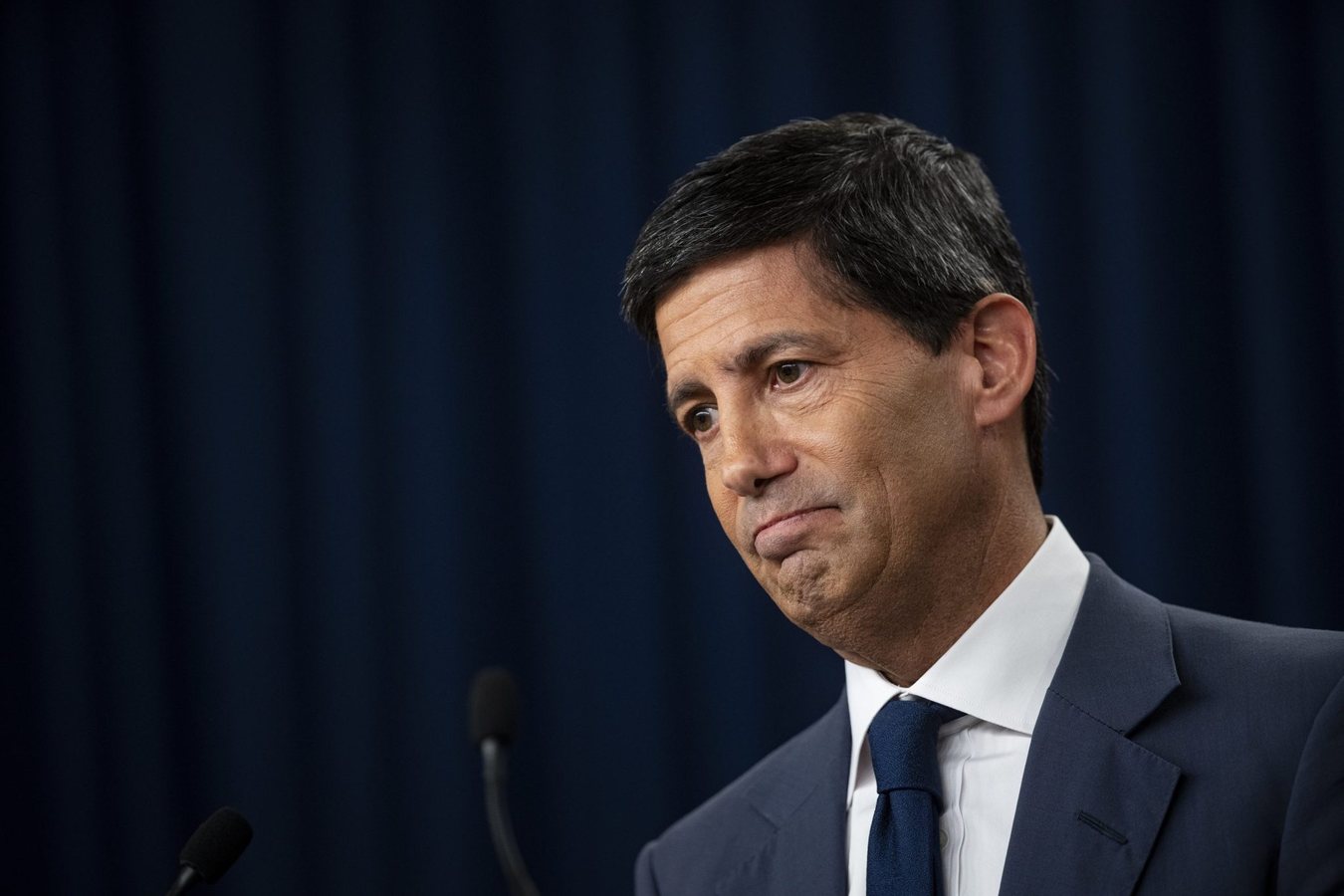
The Federal Reserve's campaign against inflation is increasingly looking like a long struggle, with the outcome shaped less by domestic policy than by the unresolved conflict with Iran. Inflation has run above the central bank's 2% target for nearly six years, and officials now project a return to that level only around 2029, a date pushed back from 2028 in September projections.
Inflation had trended lower early this year after the spike linked to tariffs faded. That progress has since been undone by the Middle East conflict. Iran closed the Strait of Hormuz and attacked energy infrastructure across the region, disrupting oil flows. Oil exports have since rebounded under U.S. military protection, but supplies of refined fuels, including gasoline and diesel, remain tight, keeping pressure on energy costs.
The October consumer price index came in hotter than expected, and the pressure is no longer confined to energy. Price increases are spreading into goods and services. Core consumer prices rose 0.3 per cent month on month, a level that has prompted policymakers to signal further tightening. Chicago Fed President Austan Goolsbee described the data as « borderline disturbing », while Waller has said he would back a 50 basis point increase if core inflation rose by 0.3 per cent or more, which the October figure met. Dallas Fed President Lorie Logan has said faster rate hikes may be possible.
The current policy rate, set in a range of 3.75 to 4.00 per cent, is viewed by a number of officials as too low to bring inflation back under control. Chair Kevin Warsh has argued that persistently high inflation is a policy choice rather than an inevitability, a framing that reflects wider concern about the credibility of the central bank.
The stakes extend beyond headline figures. Officials have voiced fear that long-term inflation expectations could become unanchored, which would make the eventual task of restoring price stability more difficult and costly. Analysts have pointed to the risk that the Fed could fall short of its price stability mandate for eight consecutive years. KPMG chief economist Diane Swonk has said the central bank is losing its inflation-fighting credibility.
The burden of the squeeze falls heaviest on households that depend on wages, since their incomes are slower to adjust than prices. Demand for AI infrastructure from large technology companies is adding further pressure to economic growth and prices, complicating the picture.
Donald Trump has halted major combat threats against Iran but has rejected peace negotiations, and he has described the situation as the « status quo ». That leaves the duration of the conflict uncertain, and with it the path of energy prices and the timetable for the Fed to meet its target. Earlier shocks, including the pandemic, Russia's war in Ukraine, tariffs and the Iran conflict, have each added to the inflationary pressure that the central bank has struggled to contain.
Source: fortune.com
16