Business 3 min read By Alice Ashford
Gabriel Resources warns of insolvency after final loss to Romania in Roșia Montană case
The Toronto-listed miner says it could enter insolvency after an ICSID annulment committee rejected its request to overturn the arbitral award against Romania, which ends its $6.5 billion claim over the abandoned Roșia Montană gold project.
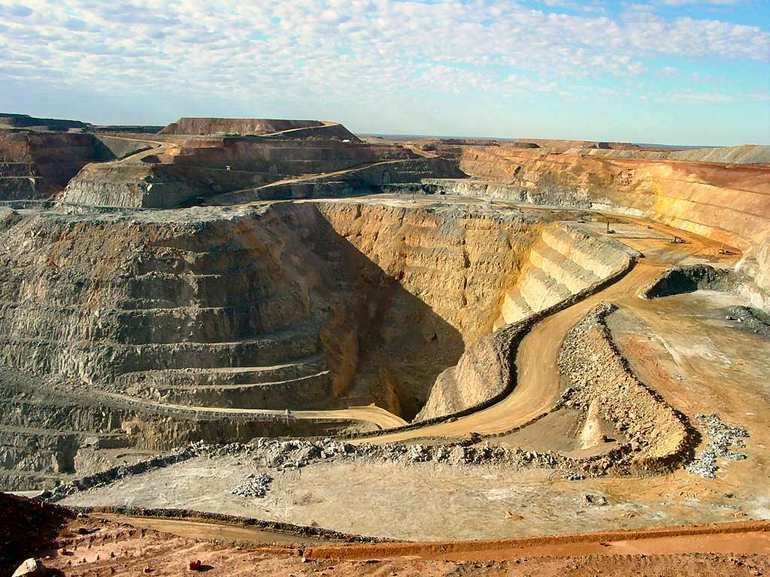
Gabriel Resources, the Toronto-listed mining company, has warned that it could enter insolvency after losing its final legal challenge against Romania over the abandoned Roșia Montană gold project. An ad hoc annulment committee under the International Centre for Settlement of Investment Disputes, ICSID, rejected the company's request to annul the arbitral award, meaning the ruling of 8 March 2024 now stands.
Romanian Prime Minister Luca Niculescu announced the outcome on Facebook, presenting it as a definitive victory for the state. President Nicușor Dan welcomed the ruling as closing the last extraordinary appeal available in the dispute. The Romanian government credited the legal team of Leaua Damcali Deaconu Păunescu together with the lawyers at LALIVE for the result.
The case, registered as ICSID ARB/15/31, was filed as an arbitration in July 2015. Gabriel sought damages of about $6.5 billion from Romania, relying on the bilateral investment treaties between Canada and Romania and between the United Kingdom and Romania. The dispute originated in Romania's refusal to authorise the project, which was developed by RMGC, a company in which Gabriel holds about 81 percent. Gabriel's sister entity, Gabriel Resources (Jersey) Limited, is also part of the corporate structure involved in the claim.
Gabriel's chief executive, Dragoș Tănase, said the company would study the committee's decision before deciding on its next steps. The company has argued that investors committed hundreds of millions of dollars to the project, and the insolvency warning signals the financial pressure the loss could place on the group. It remains unclear whether that threat will materialise, and the scope of any further legal action the company may pursue has not been defined.
For the Romanian authorities, the outcome brings an end to one of the country's most protracted disputes with a foreign investor. Officials have pointed to the site's position within the consideration for UNESCO world heritage status as a reason the project could not proceed. President Dan went further, describing the project as illegal and connected to large-scale corruption, a characterisation that goes beyond the arbitration findings and reflects the long-standing political debate over the mine.
The project has been opposed for years by civil society campaigns concerned about its environmental impact, and that opposition shaped the political climate in which Romania refused authorisation. The case now closes the arbitration route for Gabriel, leaving the company to weigh its financial position against a claim that failed at every stage of review.
Source: profit.ro
1